Opens in a new tab

Casting Materials

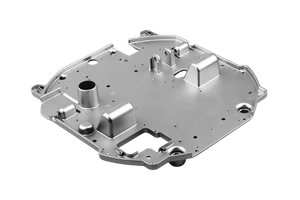
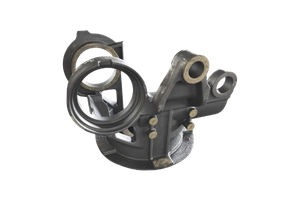
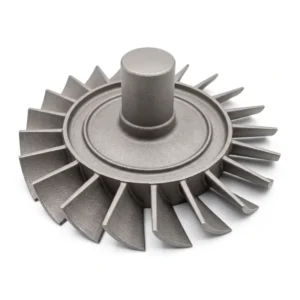
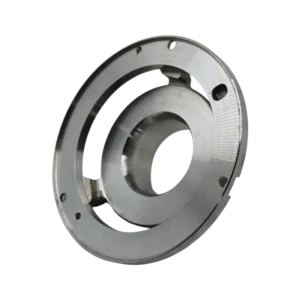
Choose from hundreds of grades of metal across a wide range of ferrous and non-ferrous metals. All materials are certified and traceable to meet your high standards for the castings.

Casting Materials by Process
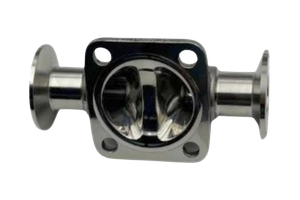
Investment Casting Materials

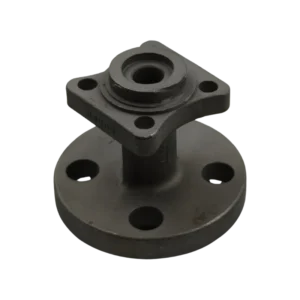
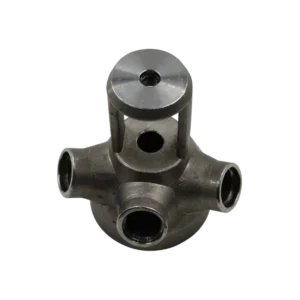
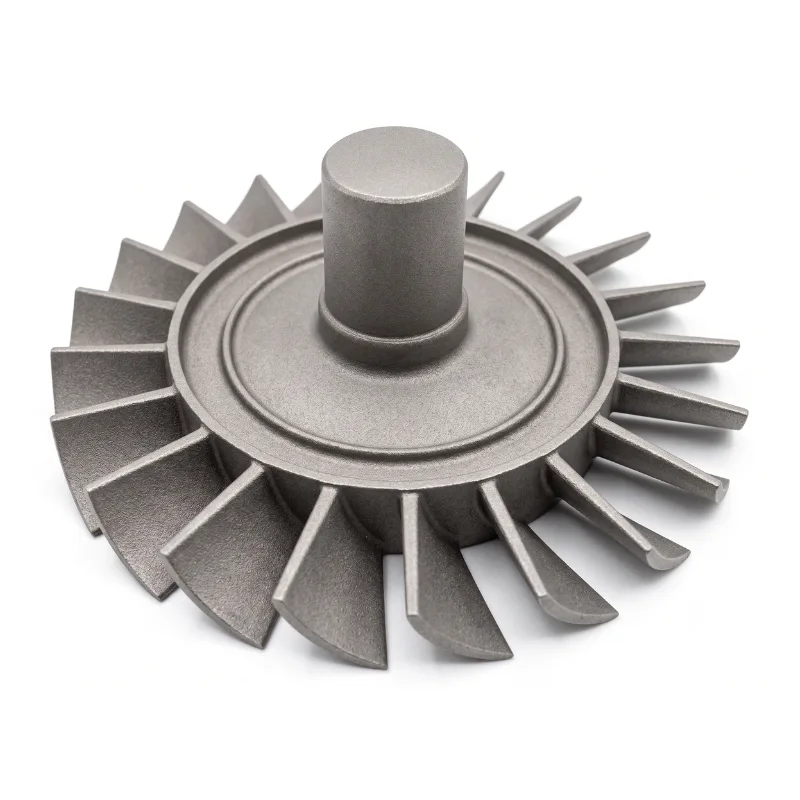
One of the biggest advantages of investment casting is the great adaptability of various metals. We offer over 50 types of metals for this process and are open to customizing materials for specific applications. The most popular material in YTD is stainless steel, almost take 50% of our annual output.

Learn More
Carbon & Alloy Steel
Low carbon steel Medium carbon steel Low alloy steel Tool steel
Stainless Steel
Austenitic Martensitic Ferritic Duplex
Precipitation hardening
Aluminum & Titanium
Aluminum alloys Titanium alloys
Superalloys
Inconel Hastelloy Stellite Monel
Carbon & Alloy Steel
Low carbon steel Medium carbon steel
Low alloy steel Tool steel
Stainless Steel
Austenitic Martensitic
Ferritic Duplex
Precipitation hardening
Aluminum & Titanium
Aluminum alloys Titanium alloys
Superalloys
Inconel Hastelloy
Stellite Monel

Die Casting Materials

Die casting is a non-ferrous-metal-only casting process due to the nature of the steel mold used in the metal injection process. Through our casting network, you get all the die casting materials without concern about the quality.

Learn More
Aluminum Alloys
Al-Si series Al-Cu series Al-Mg series Al-Zn series
Zinc Alloys
Zamak series ZA series
Magnesium Alloys
Mg-Al-Zn series Mg-Al-Mn series
Aluminum Alloys
Al-Si series Al-Cu series
Al-Mg series Al-Zn series
Zinc Alloys
Zamak series ZA series
Magnesium Alloys
Mg-Al-Zn series Mg-Al-Mn series
Lead & Tin Alloys
Lead alloys Tin alloys
Aluminum Alloys
Al-Si series Al-Cu series
Al-Mg series Al-Zn series
Zinc Alloys
Zamak series ZA series
Magnesium Alloys
Mg-Al-Zn series Mg-Al-Mn series
Lead & Tin Alloys
Lead alloys Tin alloys

Sand Casting Materials

Sand casting has the most applicability for almost any metal, as long as it won't react with the sand itself. This is thanks to the wide variety of molding sand. You only need to choose the desired materials, and the rest is handled by our casting engineer and network.

Learn More


Ferrous Metals      
Cast Iron Ductile Iron Carbon Steel Alloy Steel
Stainless Steel       
Non-Ferrous Metals      
Aluminum      
Ferrous Metals
Carbon Steel Alloy Steel
Stainless Steel Cast Iron
Ductile Iron
Non-Ferrous Metals
Aluminum Magnesium
Titanium Superalloys
Inconel Hastelloy
Stellite
Aluminum Alloys
Al-Si series Al-Cu series
Al-Mg series Al-Zn series
Zinc Alloys
Zamak series ZA series
Magnesium Alloys
Mg-Al-Zn series Mg-Al-Mn series
Lead & Tin Alloys
Lead alloys Tin alloys
Ferrous Metals
Carbon Steel Alloy Steel
Stainless Steel Cast Iron
Ductile Iron
Non-Ferrous Metals
Aluminum Magnesium
Titanium Superalloys
Inconel Hastelloy
Stellite

Find the Right Material for Your Application

Material selection for casting is a complex calculation for the balance of the design, properties, and cost. Contact us, describe the details of your project, and let our engineer do it for you.

Get a Free Review
Casting Materials Resources

Learn more about the metal materials use in casting
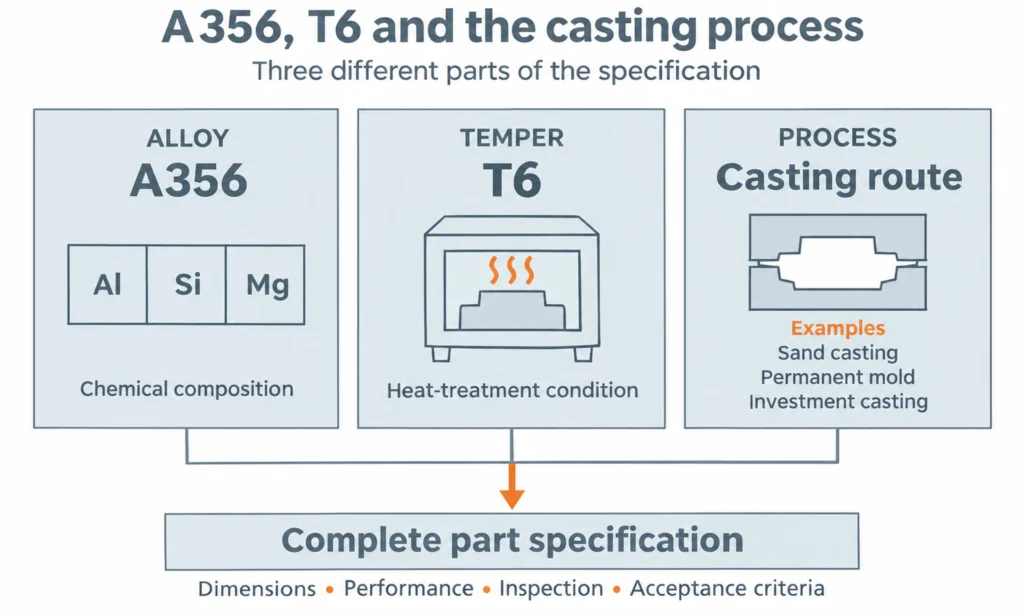
A356 alloy chemistry, T6 heat-treatment condition and casting route shown as three separate elements of a complete part specification.
A356 Aluminum Casting: Properties, T6 Heat Treatment, and Uses

Understand A356 aluminum casting chemistry, typical properties, T6 heat treatment, process options, applications, quality and specification needs.

Read more
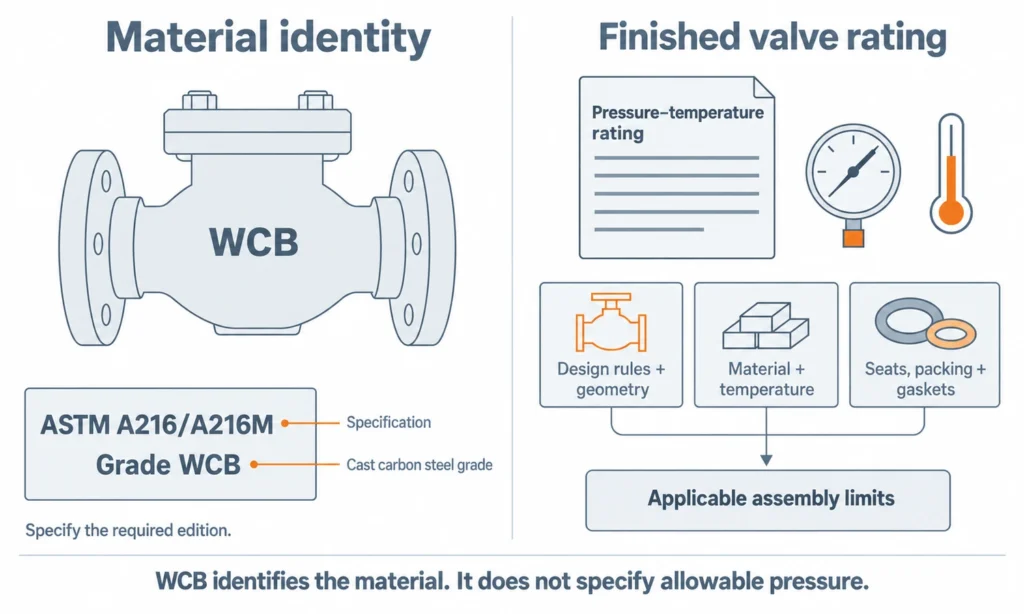
Diagram separating ASTM A216/A216M Grade WCB material identity from valve pressure-temperature ratings and assembly limits.
WCB Material: Meaning, Properties, Uses and Comparisons

Learn what WCB material is, how its chemistry and properties are specified, where it is used, and how it compares ...

Read more
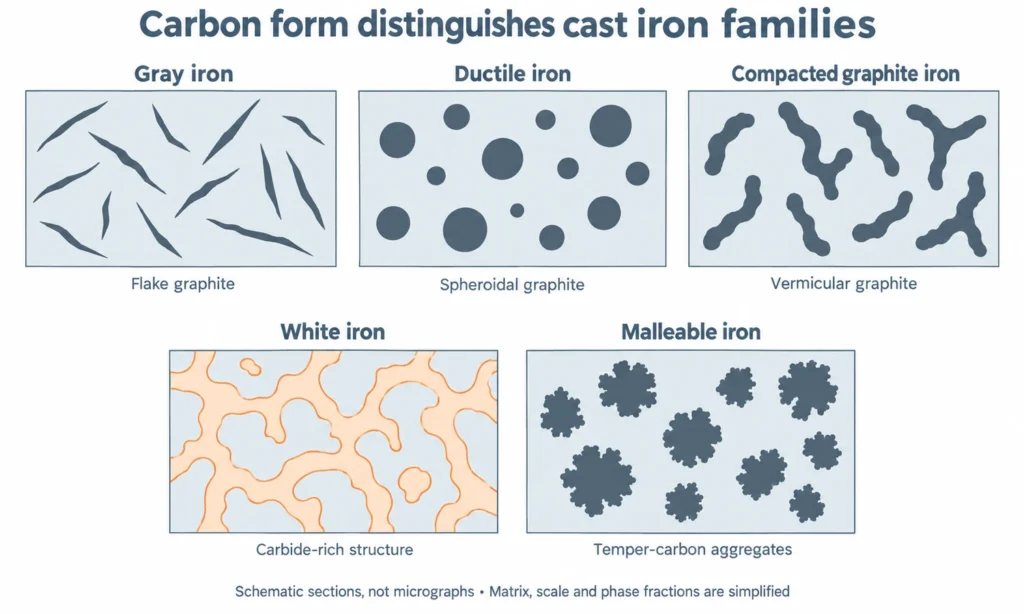
Schematic carbon forms in five cast iron families: graphite flakes, nodules, vermicular graphite, carbides and temper-carbon aggregates.
Cast Iron: Types, Properties, Grades & How to Choose

Cast iron includes gray, ductile, white, malleable, and compacted graphite grades. Learn how graphite shape changes properties, uses, machining, wear ...

Read more
Nickel Alloy Casting: Process, Alloys, Design & Quality Guide

Learn how nickel alloy casting works, which alloys and processes are used, why vacuum melting matters, and how to plan ...

Read more
Metals for Casting: Types, Properties, Processes & How to Choose

Compare common metals for casting—from cast iron and steel to aluminum, zinc, magnesium, copper alloys, and superalloys—and learn how properties, ...

Read more
CG8M Cast Stainless Steel
Cast Stainless Steel: What It Is, Grades, Properties, and When

Learn what cast stainless steel is, how it differs from wrought stainless steel, common grades such as CF8 and CF8M, ...

Read more
Cast Nickel Alloy Impeller
Nickel Alloy: What It Is, Common Types, and How to

Nickel alloy is a family rather than one material. Learn how its types, alloying elements, properties, grades, and product forms ...

Read more
CN7M Stainless Steel
CN7M Stainless Steel: Properties, Equivalents, and Manufacturing Guide

If you’re specifying stainless steel castings for sulfuric acid or aggressive chemical service, you’ve likely come across CN7M. But what ...

Read more
CF8C Stainless Steel
CF8C Stainless Steel: Compositions, Properties, and Why It Matters for

Understanding what CF8C stainless steel is. Its properties, applications, and uses in casting.

Read more
CG8M Cast Stainless Steel
What is CG8M Stainless Steel? High-Moly Casting Selection & Application

Learn more about CG8M stainless steel, including compositions, physical properties, equivalent grades, and applications in casting manufacturing.

Read more
Investment Casting Cost

Key Material Consideration for Casting

  • Operating conditions: Consider the part’s service environment, including exposure to heat, corrosion, moisture, wear, or repeated loading, as these conditions directly affect material selection.
  • Mechanical properties: The material should provide the required strength, hardness, toughness, and durability to ensure the casting performs reliably in its intended application.
  • Casting process compatibility: The selected material must suit the casting process, part geometry, and quality requirements to support stable production and consistent casting quality.
  • Machinability: Material choice should also account for post-casting machining needs, especially for parts requiring tight tolerances, fine surface finishes, or additional secondary operations.
Casting Material Selection Guides

Find the best material chocie for your project
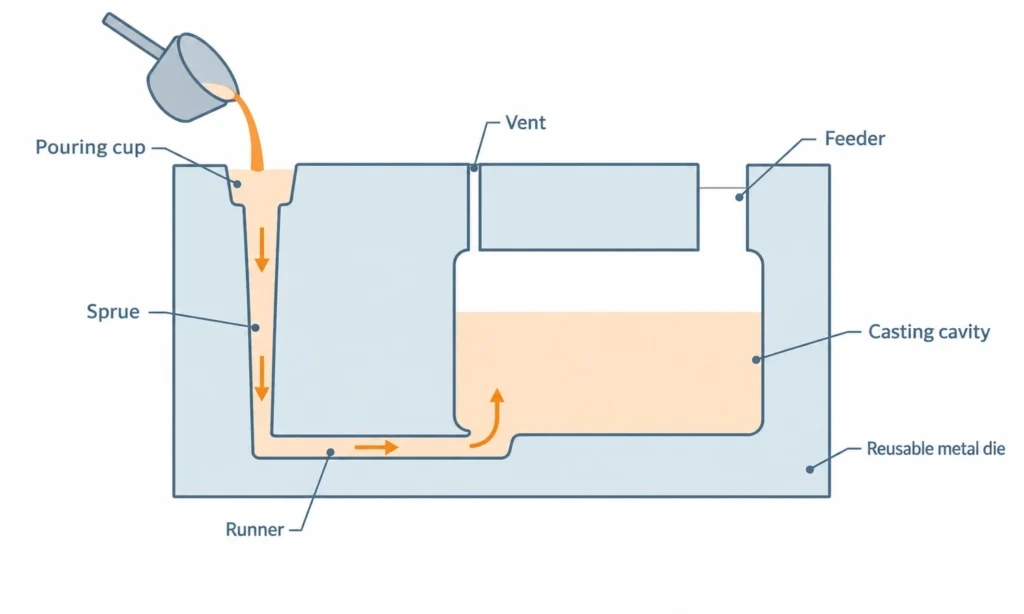
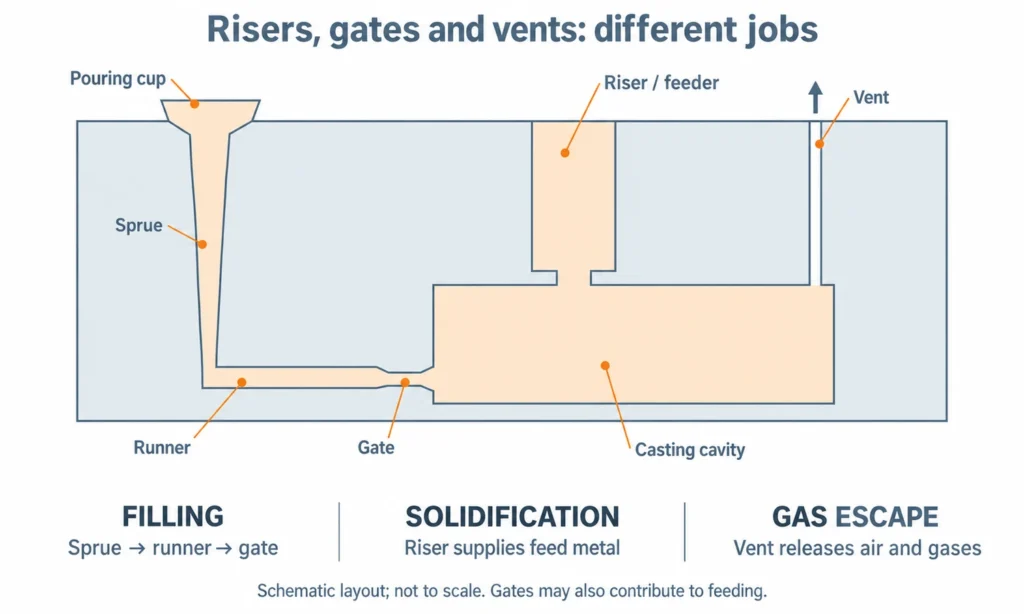
Mold cross section identifying the pouring cup, sprue, runner, gate, casting cavity, riser and vent, with their filling, feeding and gas escape roles.
Risers in Casting: Purpose, Types and Design Basics

Learn how casting risers prevent shrinkage, how open, blind, top, side, live and dead risers differ, and how size, necks, ...

Read more
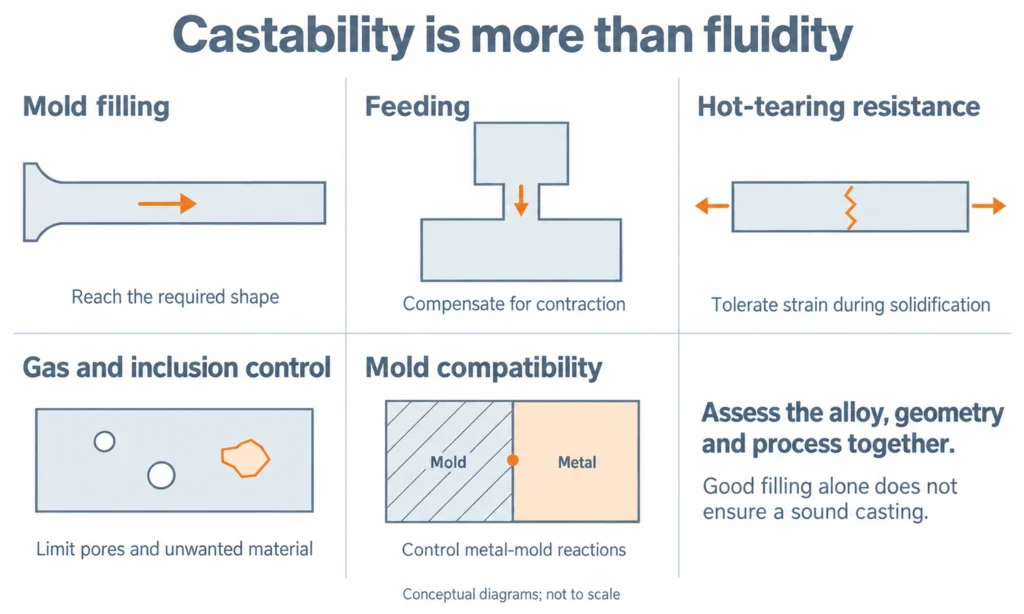
Five elements of castability: mold filling, feeding, hot-tearing resistance, gas and inclusion control, and compatibility between the metal and mold.
Castability of Metals: Meaning, Factors and Alloy Differences

Learn how fluidity, feeding, hot tearing, gas and inclusion control, temperature and part geometry determine the castability of different metals.

Read more
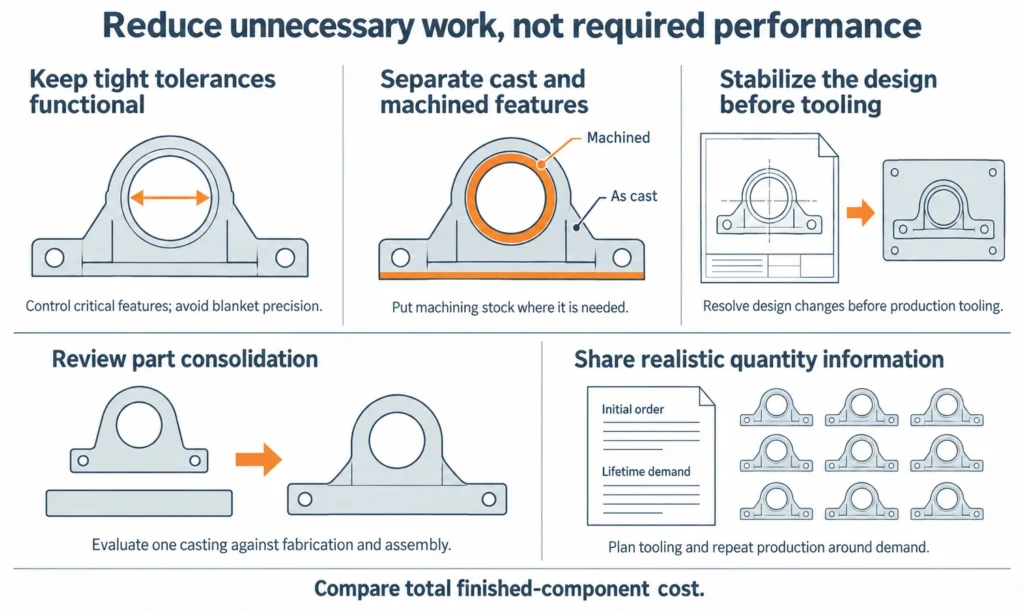
Five cost-reduction actions: focus tolerances, distinguish cast and machined features, stabilize the design, review part consolidation and share realistic quantities.
Casting Inspection Methods: Visual, Dimensional, NDT & Material Testing

Compare visual, dimensional, material and nondestructive casting inspection methods, including their uses, limitations and acceptance criteria.

Read more
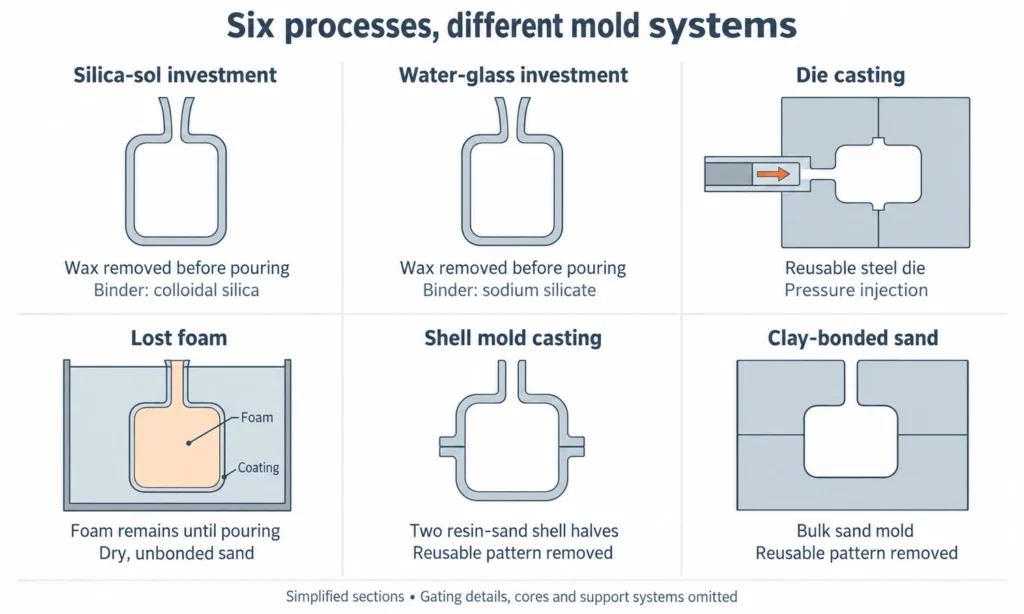
Sections comparing ceramic shells for silica-sol and water-glass investment casting, a steel die, a coated foam pattern in sand, resin-sand shells and a bulk clay-bonded sand mold.
Casting Process Comparison: How to Choose Between 6 Common Casting

Compare six common casting methods by material, part size, geometry, accuracy, surface finish, tooling, production volume, and finished-part cost.

Read more
Gracity Casting
Gravity Casting: Process, Materials, Properties & How to Choose

Understand gravity casting, its reusable metal molds, common aluminum alloys, properties, tooling and how it compares with sand casting and ...

Read more
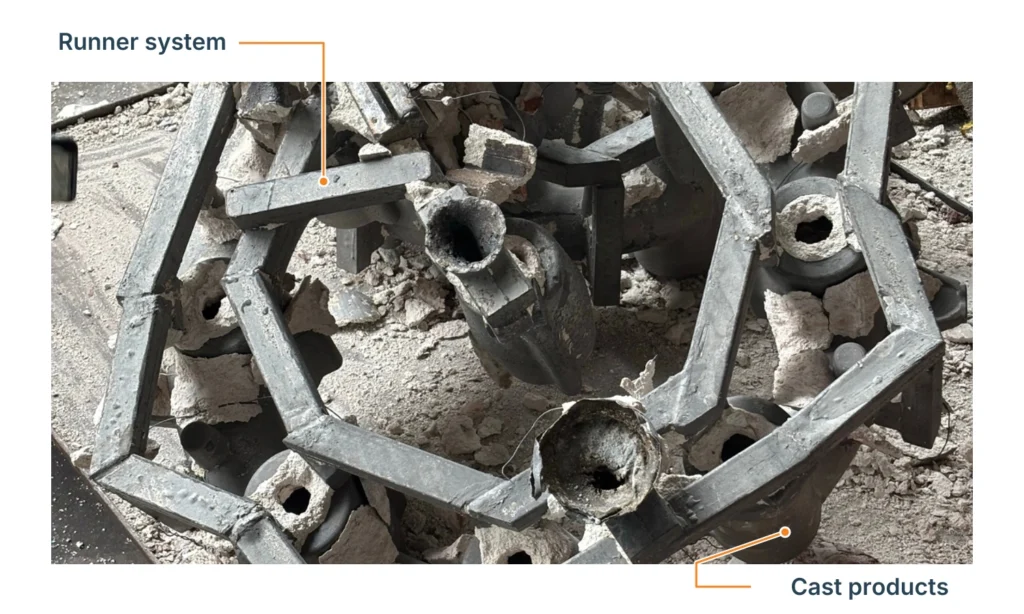
YTD casting assembly with the upper runner system and connected cast products below identified by callouts.
Casting Yield Explained: Part Weight, Pour Weight, Gating Weight &

Understand casting yield, why furnace capacity is not finished-part capacity, how gating weight affects cost, and what happens to gates ...

Read more
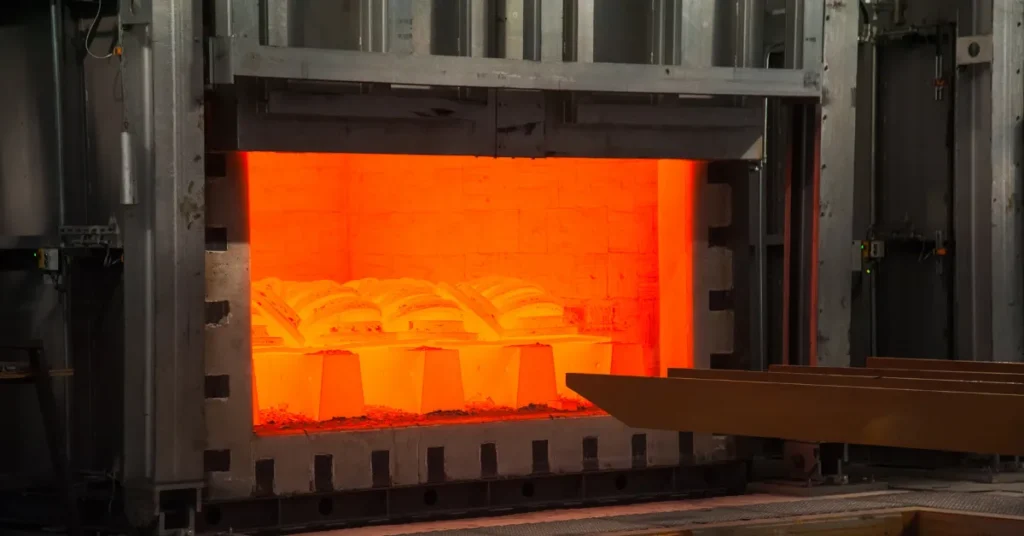
Heat Treatment for Casting: Processes, Materials, and How to Choose

Understand what casting heat treatment changes, compare the main processes, and learn how alloy grade, section thickness and final requirements ...

Read more
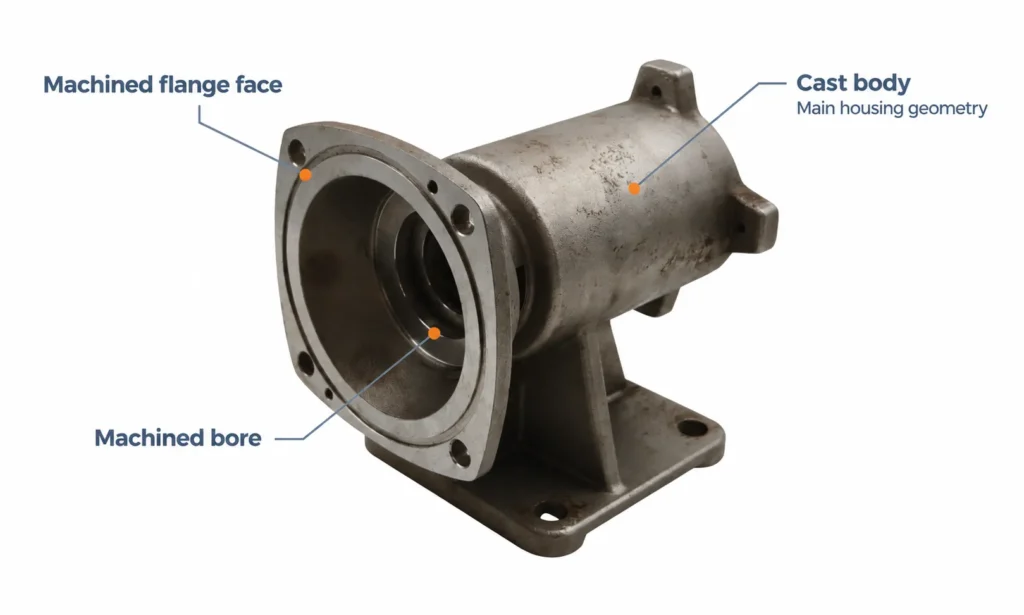
Casting vs Machining: Cost, Accuracy, Volume & How to Choose

Compare casting and CNC machining by geometry, accuracy, tooling, material use and production volume, and learn when a combined manufacturing ...

Read more
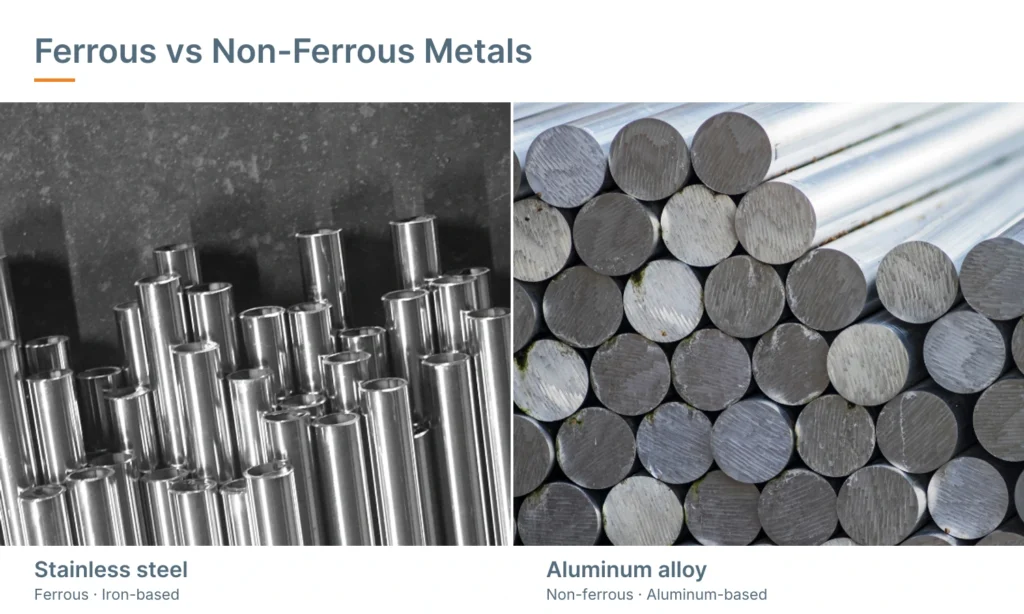
Ferrous vs Non-Ferrous Metals: Differences, Examples & How to Choose

Compare ferrous and non-ferrous metals by composition, corrosion, weight, strength, cost and casting process, with common examples and selection guidance.

Read more
Casting Simulation
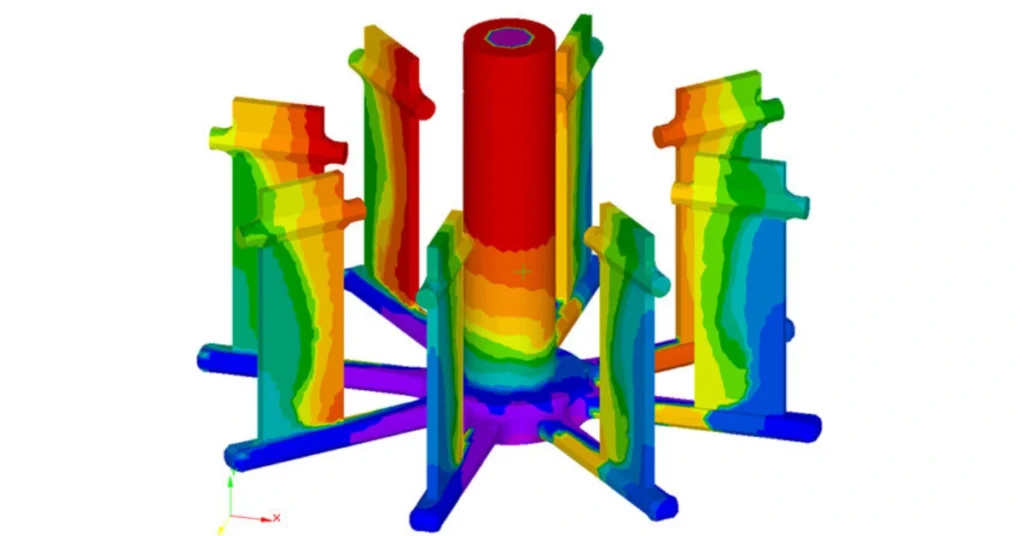
Casting Simulation: How It Predicts Defects Before Tooling and Production

Learn how casting simulation models filling and solidification, predicts common defect risks, and helps engineers improve gating, feeding and tooling ...

Read more

Get Your Casting Project Start Today

Request a Quote