
Custom Castings for Energy Equipment
Turn complex designs for high-temperature and corrosive service into near-net-shape components with precision casting.
Certifications
ISO-9001:2015
IATF16949:2016
ISO-14001:2015
How We Support Energy Equipment Projects
Develop New Components
Move new designs through casting review, tooling, and trial production with fewer supplier handoffs.
Restore Existing Parts
Re-establish supply for established or discontinued components using customer drawings, samples, and material requirements.
Convert Complex Designs
Replace heavily machined or multi-piece designs with near-net-shape castings where geometry and service conditions allow.
Evaluate Materials and Processes
Compare alloy and casting options based on operating conditions, part geometry, and production volume.
Deliver Assembly-Ready Parts
Complete heat treatment and machine sealing faces, bores, threads, and mounting features before delivery.
Maintain Repeat Production
Keep approved tooling, material controls, critical dimensions, and inspection requirements consistent across repeat orders.
Let’s Review Your Energy Casting Project
Share your drawing, expected quantity, and operating conditions. We’ll review the manufacturing plan and flag anything that may affect cost, lead time, or part performance before quoting.
Request a Project ReviewCasting Services for Energy Industry
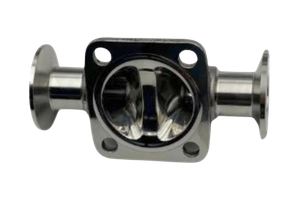
Investment Casting
The core process of YTD. From die manufacturing to CNC finishing, all managed in-house. We offer free project consultation, including DMF analysis, material selection, and casting process development.
Learn More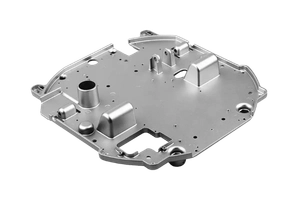
Die Casting
We collaborate with professional die-casting factories located in Wuxi, leveraging our own inspection capabilities and casting expertise for quality management.
Learn More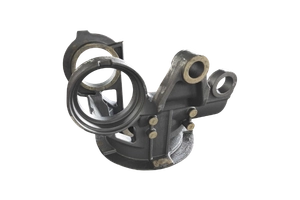
Sand Casting
Coordinated through our established foundry network and post-finishing network, you get access to the top sand casting capability in China and assembly-ready components without managing multiple casting suppliers.
Learn More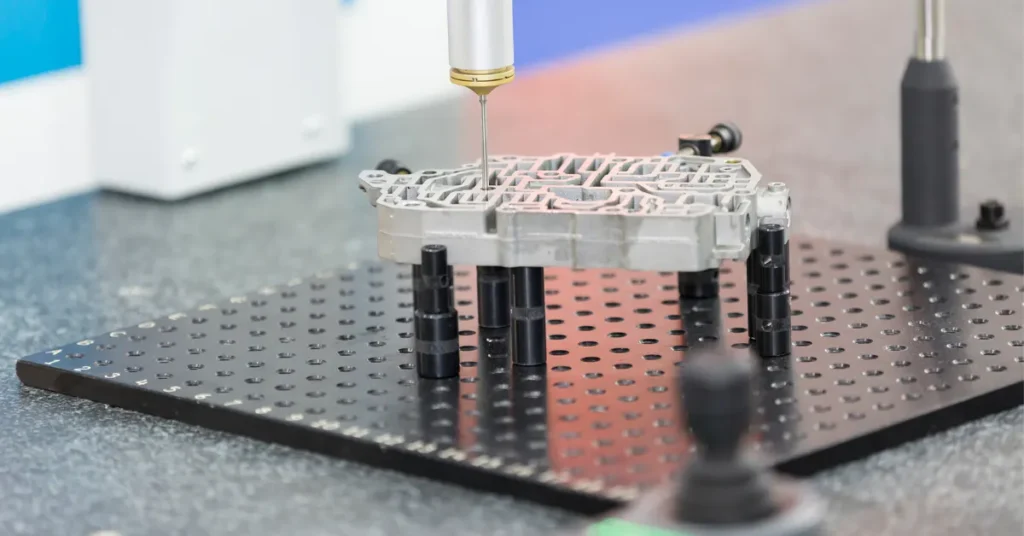
Quality Control for Energy Equipment Parts
| Mold Inspection | CMM Analysis |
| Material Inspection | Spectral Analysis |
| Dimensional Inspection | CMM Analysis |
| Physical Properties Testing | Hardness / Strength Testing |
| Automotive Industry Certification | IATF16949:2016 |
| Quality Control Standard | ISO-9001:2015 |
Cast Alloys for Energy Service Conditions
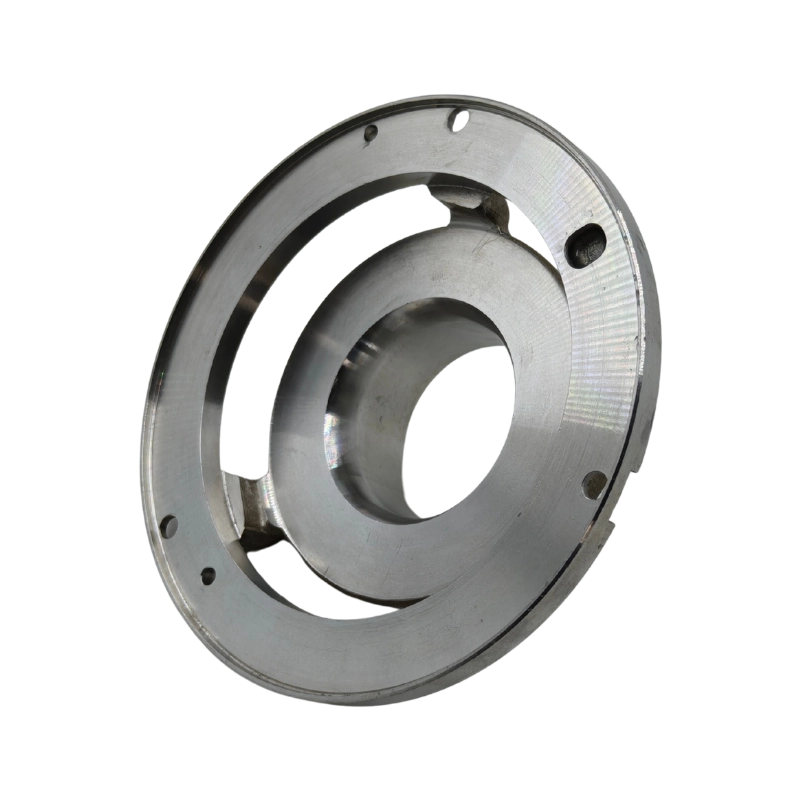
Stainless Steel
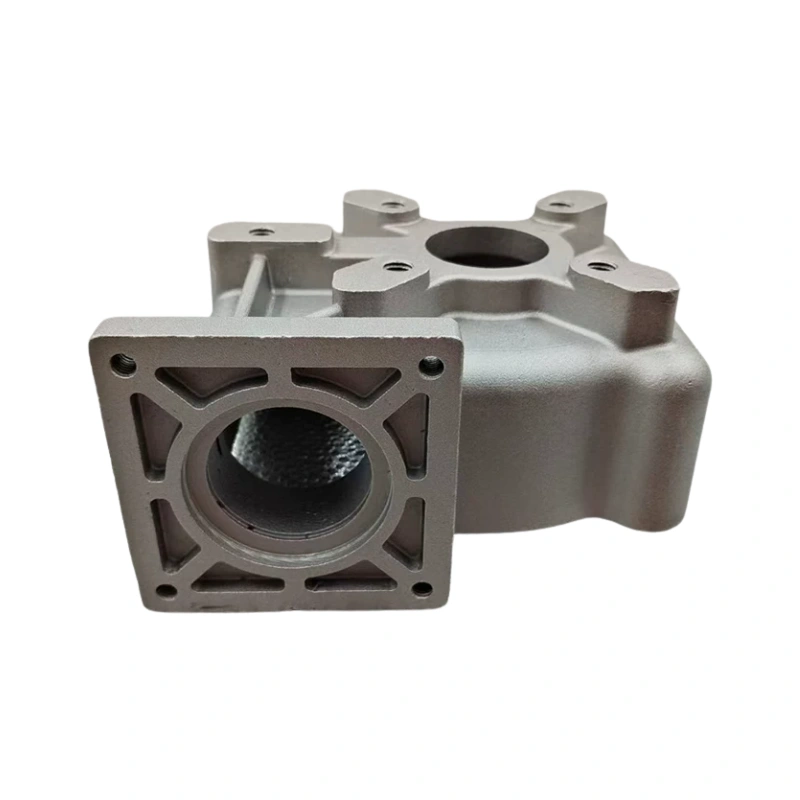
Superalloy
Carbon Steel
Alloy Steel
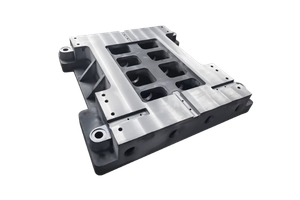
Aluminum Alloy
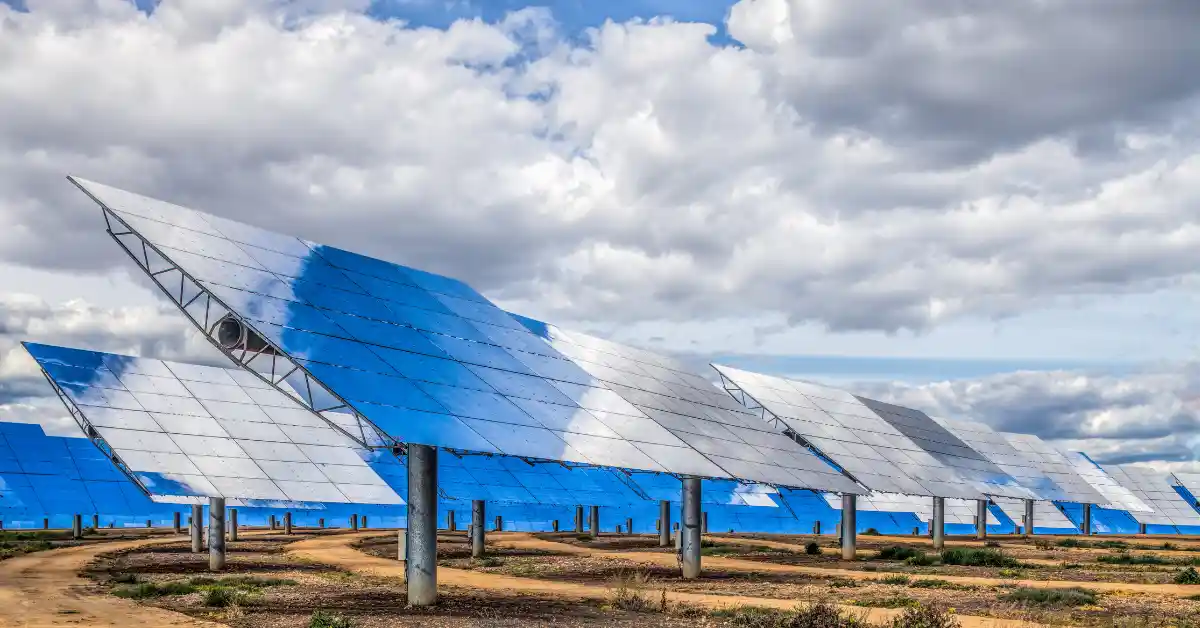
Renewable Energy
Wind, solar, hydro, and geothermal equipment create very different casting needs. Typical parts range from solar-tracker hardware and wind-system brackets to pump, valve, and flow-control components used around water and heat.
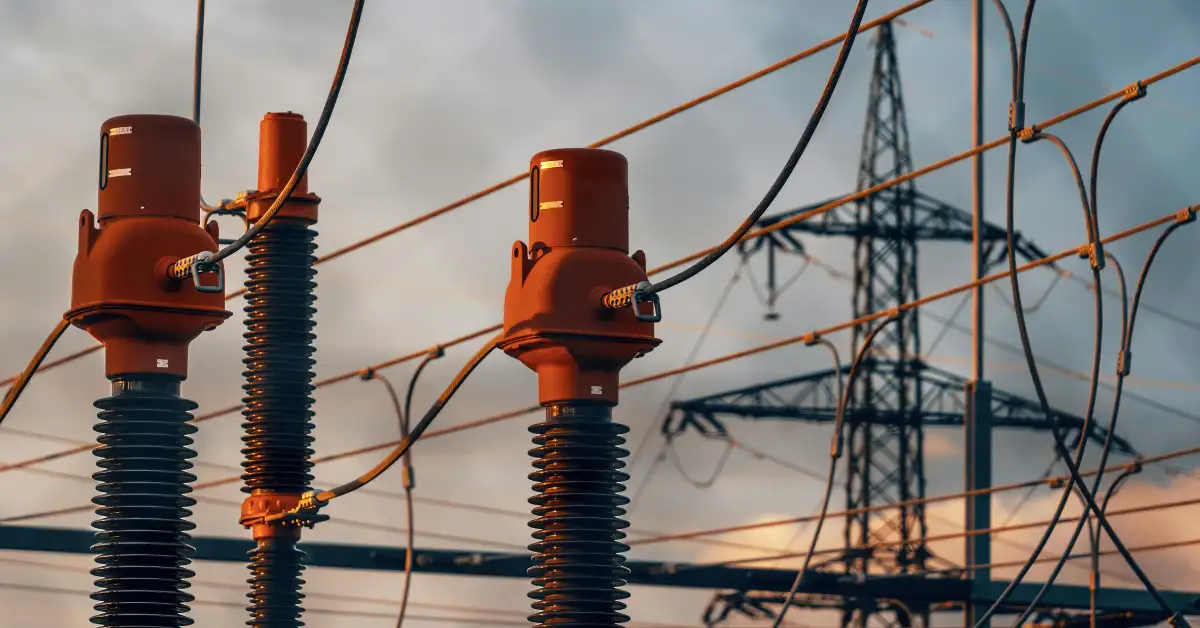
Power Transmission
Transmission equipment places heavy mechanical loads on parts that remain exposed outdoors for years. Cast applications include conductor clamps, insulator fittings, cable accessories, connector bodies, and substation hardware.
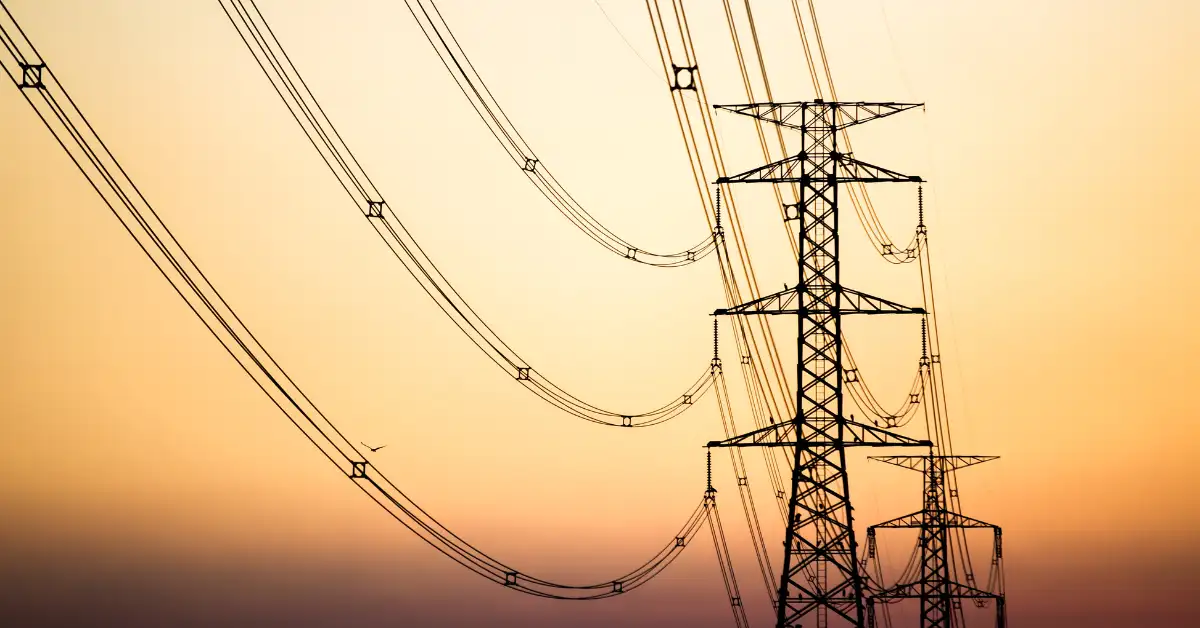
Power Distribution
Closer to the end user, distribution equipment becomes smaller, more standardized, and often produced in higher volumes. Typical castings include switchgear housings, transformer hardware, connector bodies, covers, and mounting components.
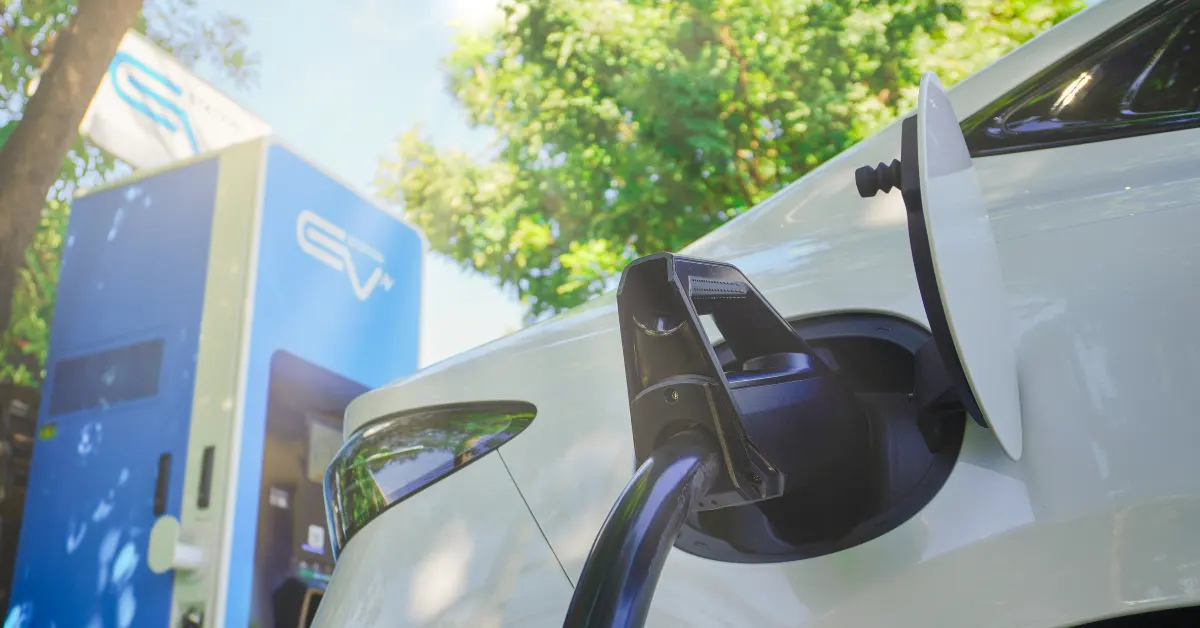
Energy Storage
Energy storage extends beyond battery enclosures. Castings are also used in thermal-management hardware, pump and valve systems, and equipment for thermal, hydrogen, and pumped-hydro storage.
Energy Industry Applications We Support
See how custom cast components support renewable generation, grid transmission and distribution, and energy storage.
Request a QuoteRelated Resources
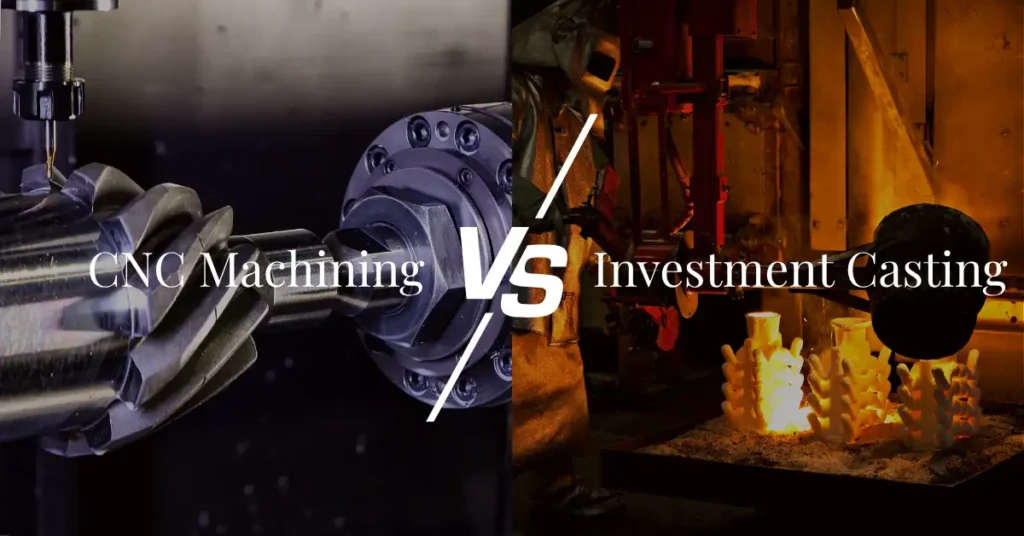
Compare CNC machining from stock with investment casting and CNC finishing. Understand how geometry, tolerances, materials, quantity, and lead time
Read More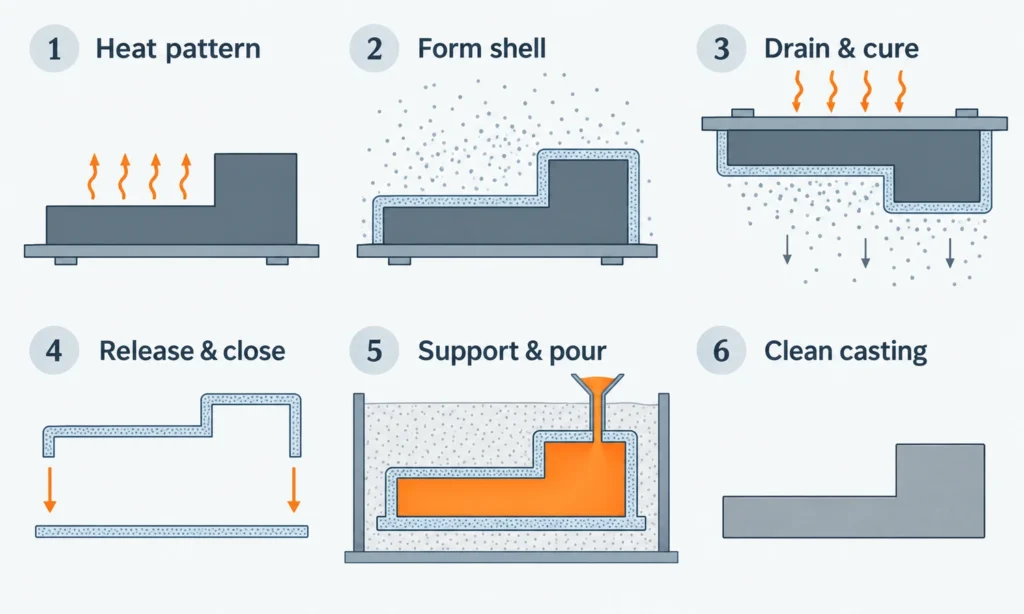
Explore how shell mold casting works, where it is used, and how mold design, alloy, defects, finishing, and production volume
Read More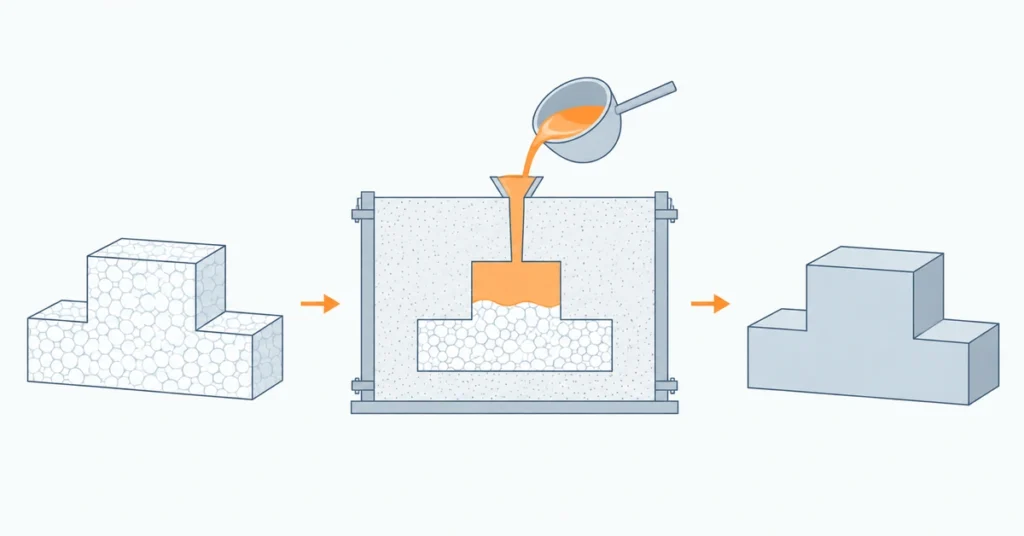
Lost foam casting pours metal directly into a coated foam pattern supported by dry sand. Learn how the process works,
Read More