
On-DemandSand Casting Service for Custom Manufacturing
Get end-to-end sand casting solution from YTD casting network. For prototyping and production of heavy-duty industrial applications
ISO 9001:2015 Certified
50+ Casting Materials
8000 kg Max Casting
Design Support
Sand Casting Processes
Our sand casting service helps you to turn design into robust, heavy-duty castings. We offer the three most commonly used sand casting processes and over 50 ferrous alloys to serve applications in the automotive, energy, mining, and machinery industries.
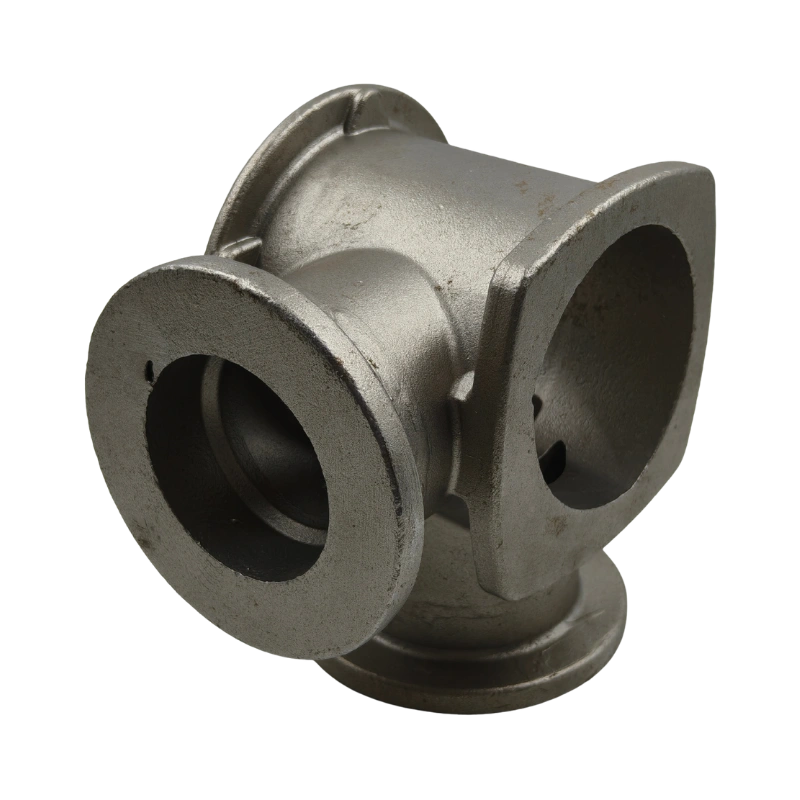
Green Sand Casting
Green sand casting uses clay-bonded silica sand to produce reusable molds quickly and economically. It is the industry’s most widely used process for manufacturing iron castings in medium to high production volumes.
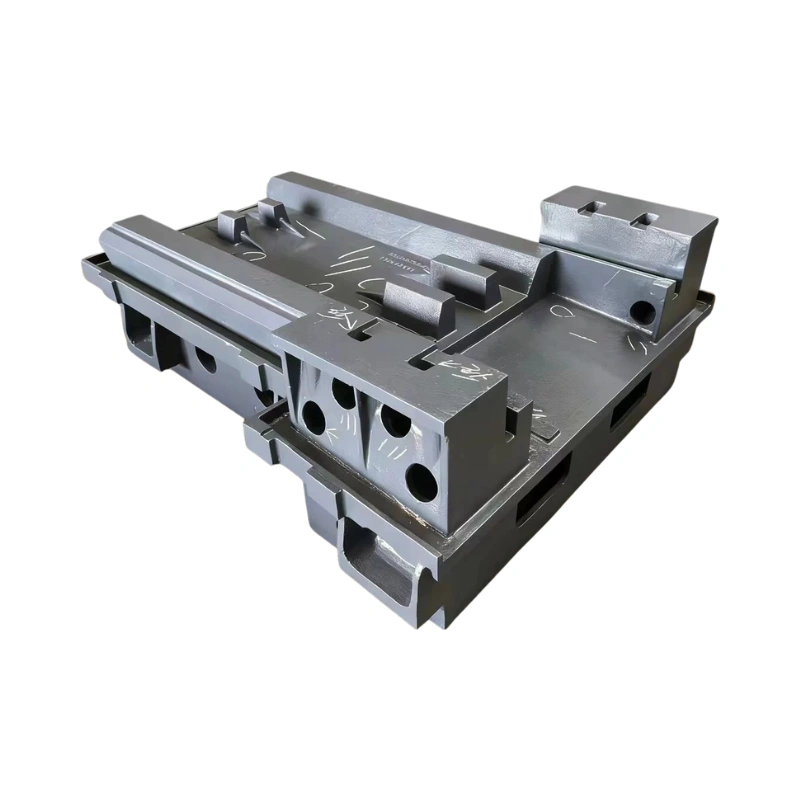
Resin Sand Casting
Resin sand casting uses chemically bonded sand that cures into a rigid mold with high strength. The process is well suited for large, heavy, and geometrically complex castings requiring better dimensional stability.
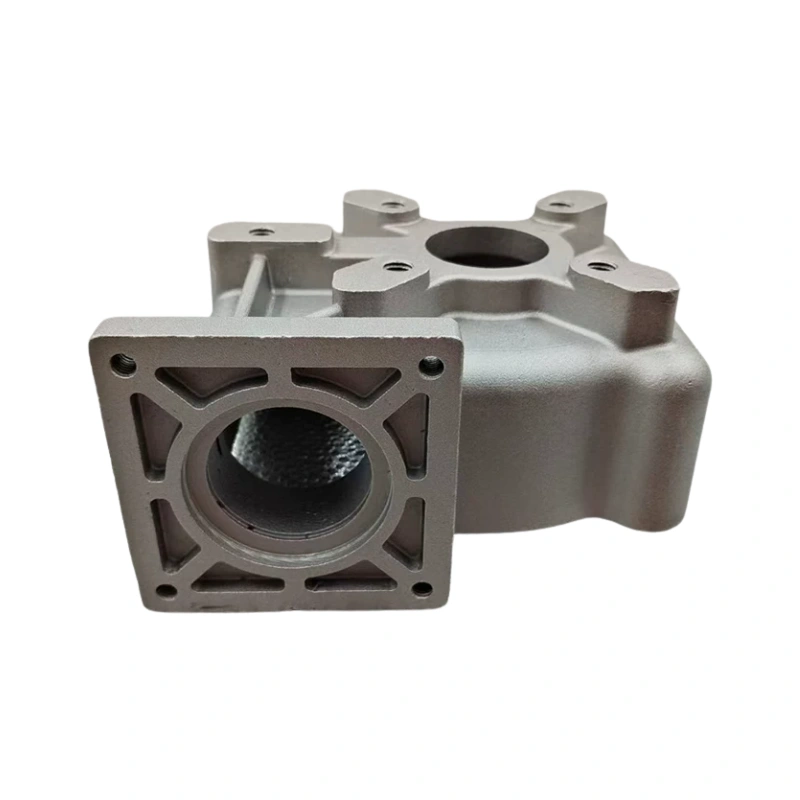
Shell Mold Casting
Shell mold casting forms a thin, rigid shell from resin-coated sand on a heated metal pattern. It delivers excellent dimensional accuracy and surface finish for small to medium precision castings.
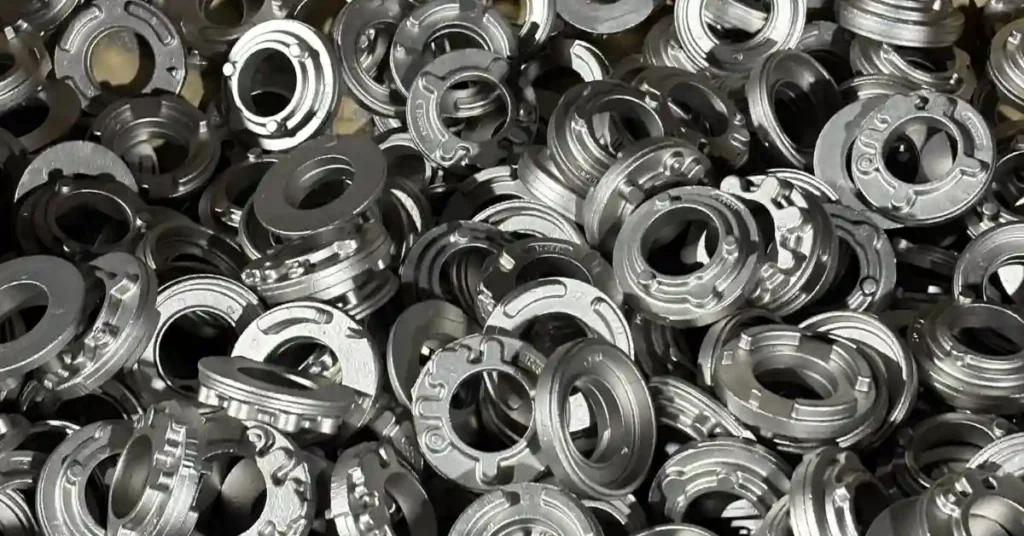
Which Sand Casting Processes Should You Choose?
Many factors affect the selection of sand casting processes, including part design, material used, required performance, and cost. Balancing all the factors is difficult for non-professionals. At YTD, leveraging our expertise in casting, we analyze your project, considering all factors and providing end-to-end sand casting solutions.
Get Project ReviewEnd-to-End Sand Casting Solution
Our sand casting solution covers the whole product life cycle from raw material, cast blanks, post-machining, to surface treatment.
Get a QuoteSand Casting Processes Comparison
| Processes | Part Weight | Max Part Size | Wall Thickness | Tolerance (ISO CT) | Surface Finish (Ra) |
|---|---|---|---|---|---|
| Green Sand Casting | 1–11,000 lb | Up to 120 × 120 × 80 in | 0.20–4.00 in | CT10–CT13 | Ra 490–1,970 μin |
| Resin Sand Casting | 2–44,000 lb | Up to 240 × 160 × 120 in | 0.16–3.15 in | CT8–CT11 | Ra 250–980 μin |
| Shell Mold Casting | 0.2–220 lb | Up to 32 × 32 × 20 in | 0.08–1.00 in | CT6–CT9 | Ra 125–490 μin |
| Processes | Part Weight | Max Part Size | Wall Thickness | Tolerance | Surface Finish (Ra) |
|---|---|---|---|---|---|
| Green Sand Casting | 0.5–5,000 kg | Up to 3,000 × 3,000 × 2,000 mm | 5–100 mm | CT10–CT13 | Ra 12.5–50 μm |
| Resin Sand Casting | 1–20,000 kg | Up to 6,000 × 4,000 × 3,000 mm | 4–80 mm | CT8–CT11 | Ra 6.3–25 μm |
| Shell Mold Casting | 0.1–100 kg | Up to 800 × 800 × 500 mm | 2–25 mm | CT6–CT9 | Ra 3.2–12.5 μm |
Sand Casting Materials
Cast Iron
Cast iron is the most cost-effective choice for sand casting. It flows easily into complex molds and absorbs vibrations exceptionally well. We commonly pour Gray Iron for machine bases that need high wear resistance, and Ductile Iron when your parts require higher tensile strength and toughness.
Learn More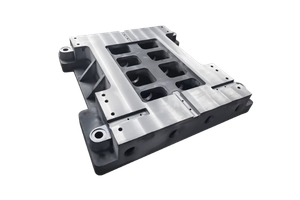
Carbon Steel
Carbon steel is the step up when cast iron isn't strong enough. Using standard grades like WCB or LCC, it delivers great impact resistance and durability under heavy loads. Because it is highly weldable, these sand-cast parts are easy to weld directly into your larger steel assemblies.
Learn More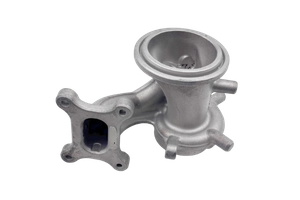
Alloy Steel
Alloy steel is made for extreme wear and tear. By adding elements like chromium or manganese, grades such as 4130, 4340, or High-Manganese steel can handle severe friction and heavy impacts. It is the standard choice for heavy equipment operating in harsh environments.
Learn More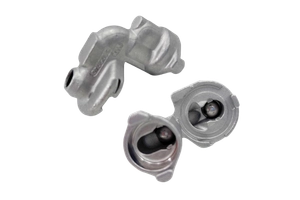
Stainless Steel
Stainless steel is irreplaceable for parts that face rust, chemicals, or high heat. It requires strict temperature control during sand casting to avoid defects. We routinely cast CF8M for standard chemical resistance, and Duplex Stainless Steel for tough marine environments.
Learn More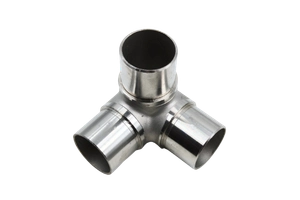
Aluminum Alloy
Aluminum alloy sand casting is ideal for large, lightweight parts. If your parts are too big for high-pressure die casting, or the tooling costs are too high, sand casting with A356 is a faster, cheaper alternative. It gives you excellent heat dissipation and high strength without the weight.
Learn More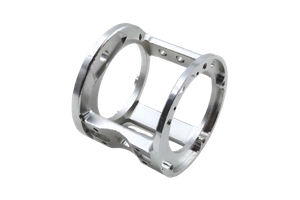
Surface Finish Options for Sand Castings
Combining our in-house surface finishing capability and network flexibility, we offer comprehensive surface finish options for sand casting components.
Request a QuoteOur Foundry Capabilities
- CNC Finishing
- Heat Treatment
- Sand/Bead Blasting
- Polishing
Through Our Network
- Powder Coating
- Galvanizing
- Electroplating
- Anoadizing
- Painting
What is Sand Casting?
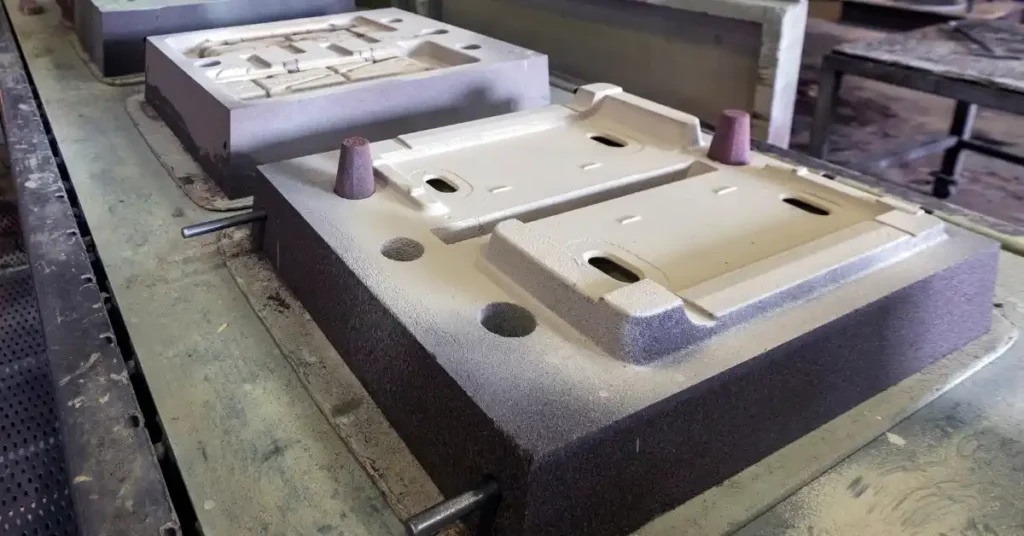
Sand Casting (also known as sand molded casting) is one of the most traditional and widely utilized metal manufacturing processes, renowned for its exceptional versatility and cost-effectiveness. The core definition of this technique lies in pouring molten metal into a custom-designed cavity formed within a refractory sand mold. Once the liquid metal cools and solidifies, the sand mold is simply broken apart to reveal the finished metal component. Because the sand can be recycled and the tooling is relatively simple, this process is capable of producing components ranging from a few ounces to several tons, making it a foundational pillar for various industrial sectors.
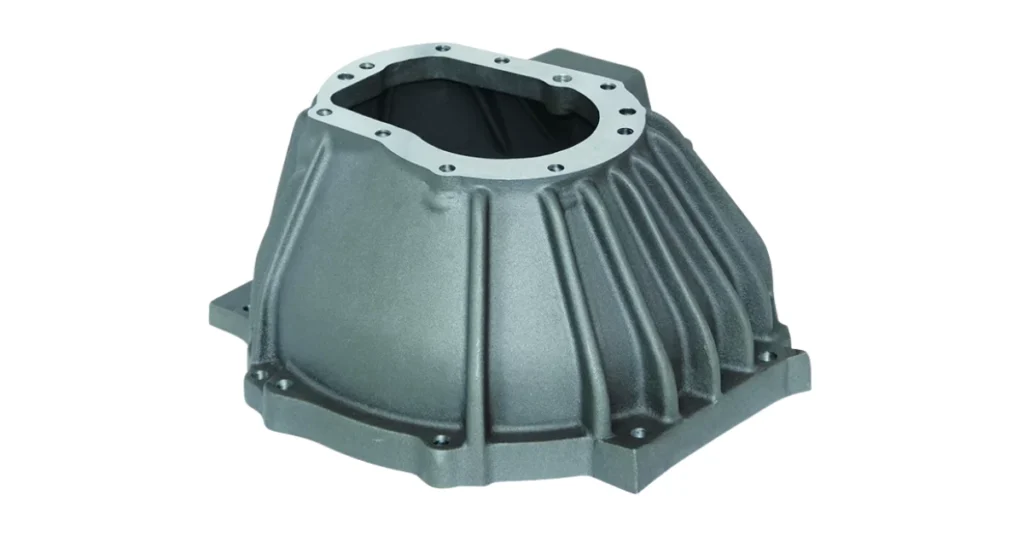
When to Use Sand Casting
- Complex external geometries and internal cavity structures
- Low surface finish and precision requirements
- Heavy casting parts up to 8,000 kg (17,636 lbs)
- Large casting parts up to 6,000 mm (240 in)
- Low to medium production volumes
- Allows post-cast machining for a smoother finish and tighter tolerances
- Lower tooling costs, lower unit costs, and higher production speed than investment casting
- Rapid prototyping at a reasonable cost
Advantages of Sand Casting
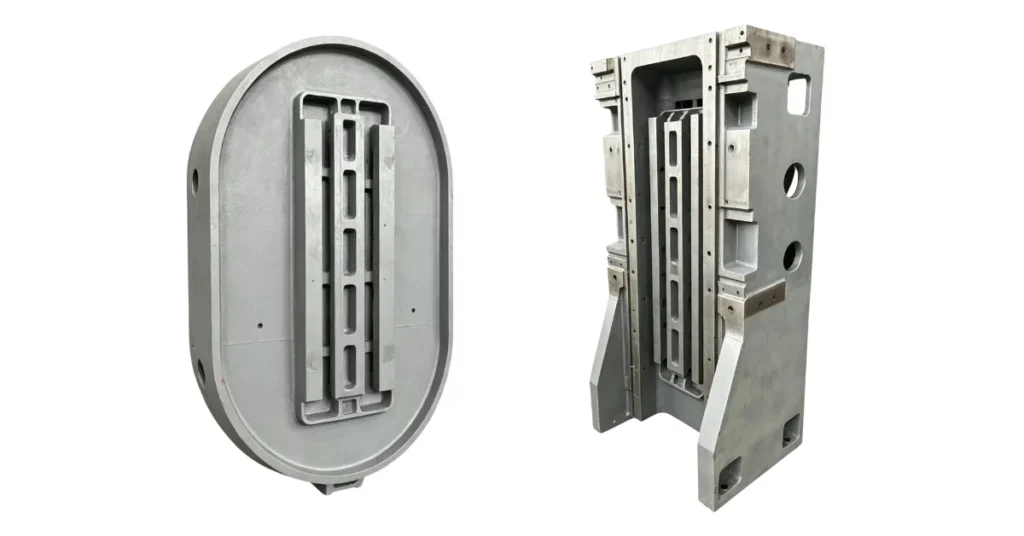
- Low Cost – Inexpensive raw materials and reusable sand keep tooling and unit costs down.
- Virtually Unlimited Size – Handles parts from a few grams to massive multi-ton components.
- Broad Alloy Compatibility – Works with almost all engineering metals, including high-melting-point alloys.
- High Design Freedom – Easily creates complex internal cavities and intricate shapes using cores.
- Short Lead Time – Simple patterns and rapid setup allow fast transition from design to finished casting.
- Minimal Equipment Investment – Lower capital requirements and straightforward operation compared to many alternative processes.
Common Sand Casting Applications
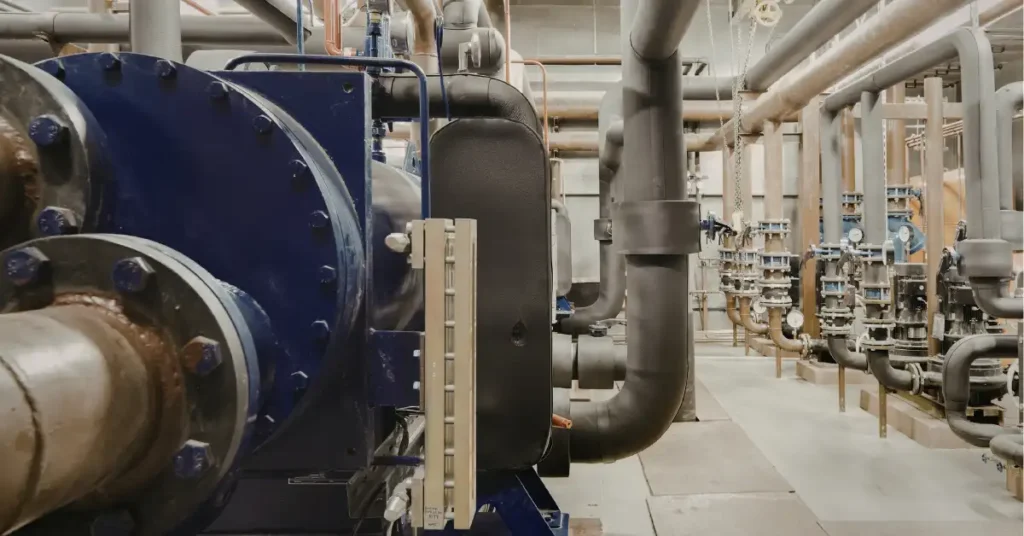
Thanks to its unparalleled flexibility in size, alloy choice, and geometric complexity, sand casting remains a cornerstone process across virtually every heavy industry. From single prototypes to high-volume production runs, it delivers reliable components where other methods would be impractical or cost-prohibitive.
- Automotive
- Heavy Machinery & Machine Tools
- Energy & Power Generation
- Marine
- Fluid Handling
- Construction & Infrastructure
- Aerospace
Sand Casting FAQs
How much does sand casting cost?
Cost depends on material grade, part geometry, pattern type, quantity, and secondary operations. Generally, unit costs are low due to affordable tooling and reusable sand. For an accurate quote, we analyze your 3D model to evaluate molding complexity, required cores, finishing needs, and order volume. Contact us for a no-obligation estimate.
How do you ensure the quality of sand castings?
We use spectrometer analysis for alloy verification, coordinate measuring machines (CMM) for dimensional checks, and non-destructive testing such as X-ray and dye penetrant inspection for internal integrity. Material certifications and full inspection reports are provided with every order.
What tolerances and surface finishes can be achieved with your sand casting process?
We typically achieve dimensional tolerances to ISO 8062 DCTG grades 10–12. Standard as-cast surface finishes range from Ra 250–500 µin (Ra 6.3–12.5 µm). Tighter tolerances and smoother finishes can be realized via our in-house CNC machining and surface treatment services.
What is the maximum and minimum part size and weight you can handle?
Our casting network handles parts weighing from as little as 0.5 kg (1.1 lbs) up to over 8 metric tons. In terms of dimensions, we can produce castings from a few centimeters in length to over 6 meters.
What file formats do you accept?
Simply email your 3D CAD model and any 2D drawings to our engineering team. We accept STEP (.stp), IGES (.igs), STL, and PDF files. Once we receive your files, we will perform a manufacturability review and provide a detailed quotation, typically within 1–2 business days.
Is sand casting suitable for both prototyping and high-volume production?
Absolutely. For rapid prototyping, we use cost-effective soft tooling and 3D-printed sand molds to deliver first-off parts in weeks. For production, automated molding lines and durable patterns enable efficient high-volume output with consistent quality.
How do I choose the right sand casting process for my part?
The right process depends on your part’s size, material, internal complexity, and production volume. For non-profesional in casting, it’s a diffcult work wo make a wise dicision. At YTD, we help you balance budget, lead time, and surface finish requirements. Contact our engineering team for a free process selection consultation.
Related Resources
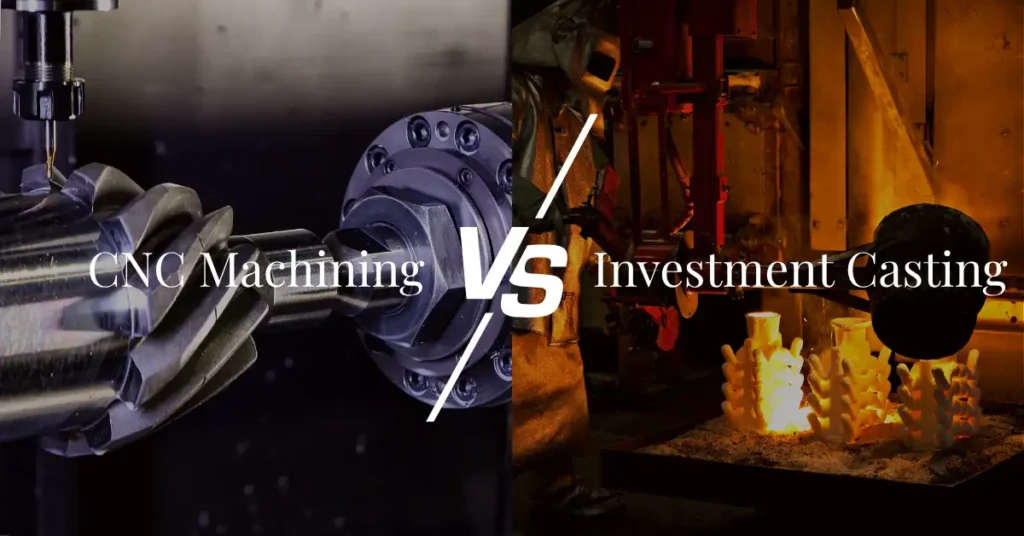
Compare CNC machining from stock with investment casting and CNC finishing. Understand how geometry, tolerances, materials, quantity, and lead time
Read More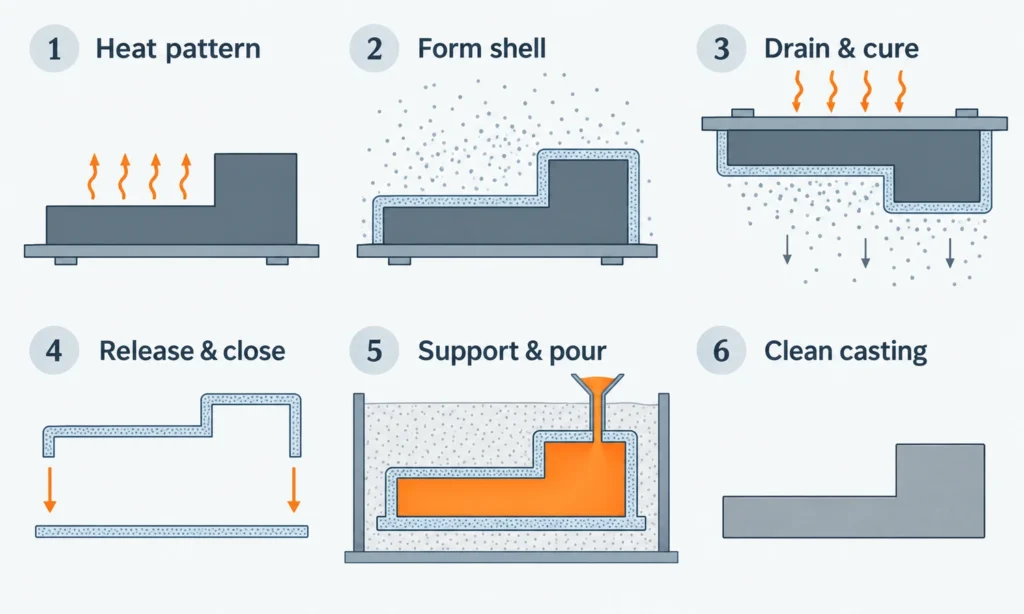
Explore how shell mold casting works, where it is used, and how mold design, alloy, defects, finishing, and production volume
Read More
Lost foam casting pours metal directly into a coated foam pattern supported by dry sand. Learn how the process works,
Read More