CustomInvestment Casting Service by YTD Foundry
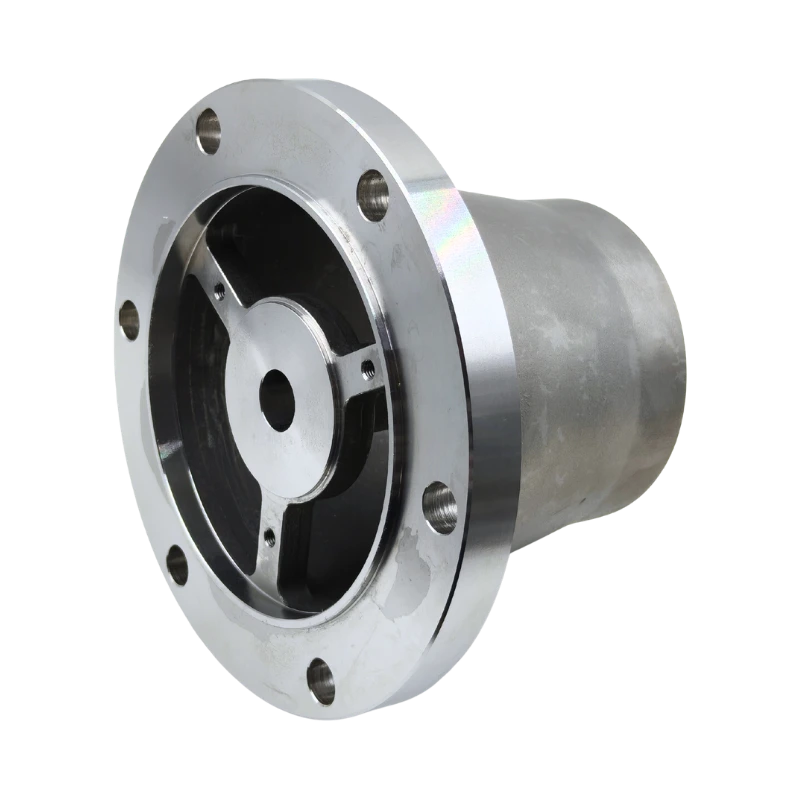
Custom investment casting solution provider in China. OEM service from casting to post-processing, offering components ready for assembly.
ISO 9001:2015 Certified
30+ Casting Materials
50+ Countries Served
Design Support
YTD - Factory Dedicated to Investment Casting
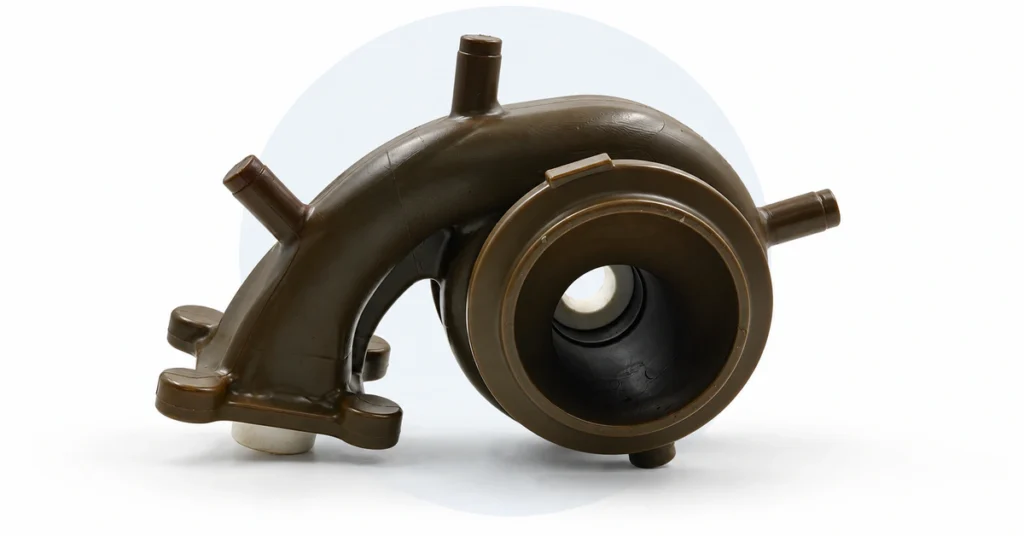
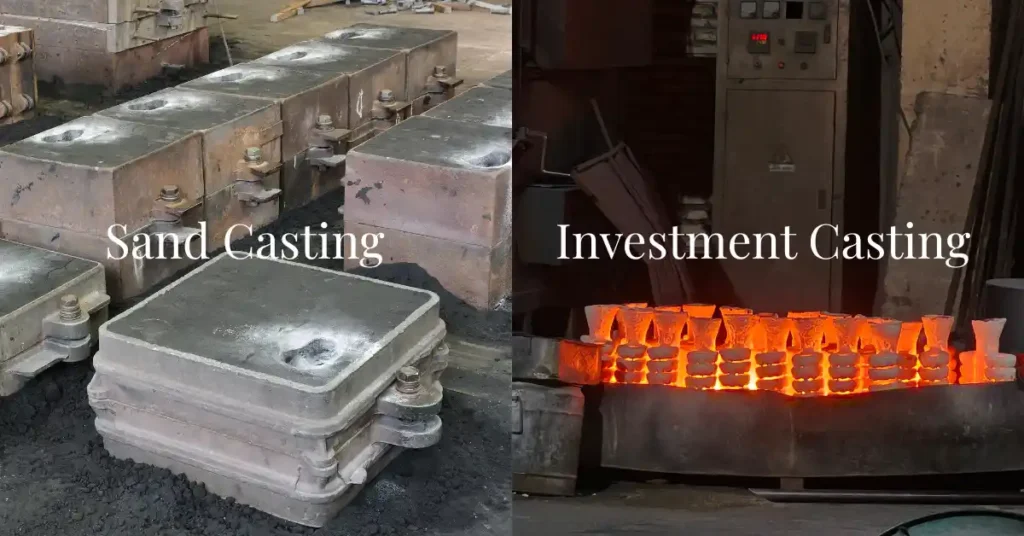
As a metal foundry, YTD has been focusing on the silica sol casting process for over 15 years. This lost-wax casting process allows us to cast metals in a wide range, spanning from aluminium to superalloys.
With our rich experience across thousands of casting projects, we offer comprehensive support to guide you through the whole project lifecycle, including design optimization, material selection, and post-processing.
Investment Casting Materials
Stainless Steel
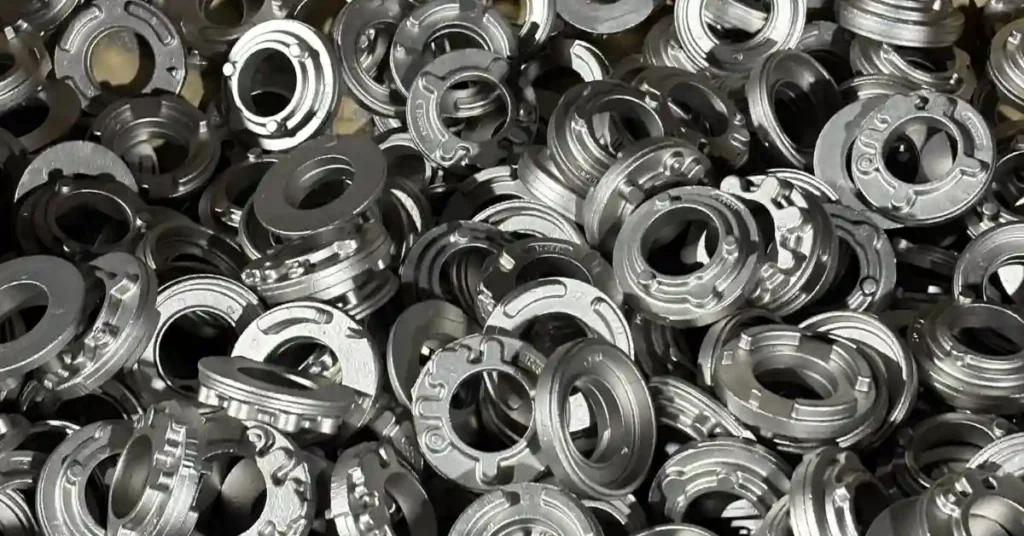
Stainless steel and investment casting are a natural pairing. Investment casting bypasses the work-hardening limitations of stainless steel and enables complex geometries that machining alone cannot achieve, making it the preferred production route for corrosion-resistant, high-strength stainless components. Stainless steel, such as CF8, CF8M, and CF3, is the most used material at YTD Foundry, accounting for almost half the products we cast.
Learn More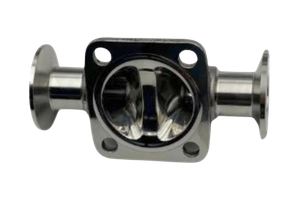
Carbon Steel
As the name suggests, carbon steel is mainly composed of carbon and steel. Based on the carbon content, it can be divided into low-carbon steel(< 0.25%), medium-carbon steel(0.25–0.60%), and high-carbon steel(> 0.60%). With low material cost, balanced performance, and good castability, carbon steel has become the preferred casting material for most non-special applications.
Learn More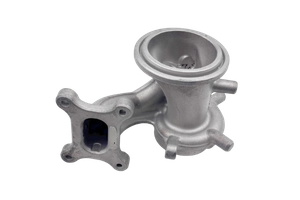
Alloy Steel
Alloy steel is a broad category of steels that incorporate additional alloying elements beyond carbon, including chromium, molybdenum, nickel, and manganese, to selectively enhance properties such as strength, hardness, and wear resistance. The common grades used in investment casting are 4140 and 4340.
Learn More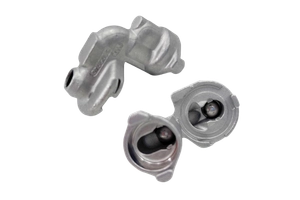
Superalloy
Superalloys are mostly designed for specific extreme applications, which is why they are "Super". As an investment casting expert, YTD offers a broad range of superalloys, which include nickel-based superalloys, cobalt-based superalloys, and iron-based superalloys. The most commonly cast are K418 for components operating above 950 °C and IN718 for high-precision structural parts where tensile strength and fatigue resistance are equally critical.
Learn More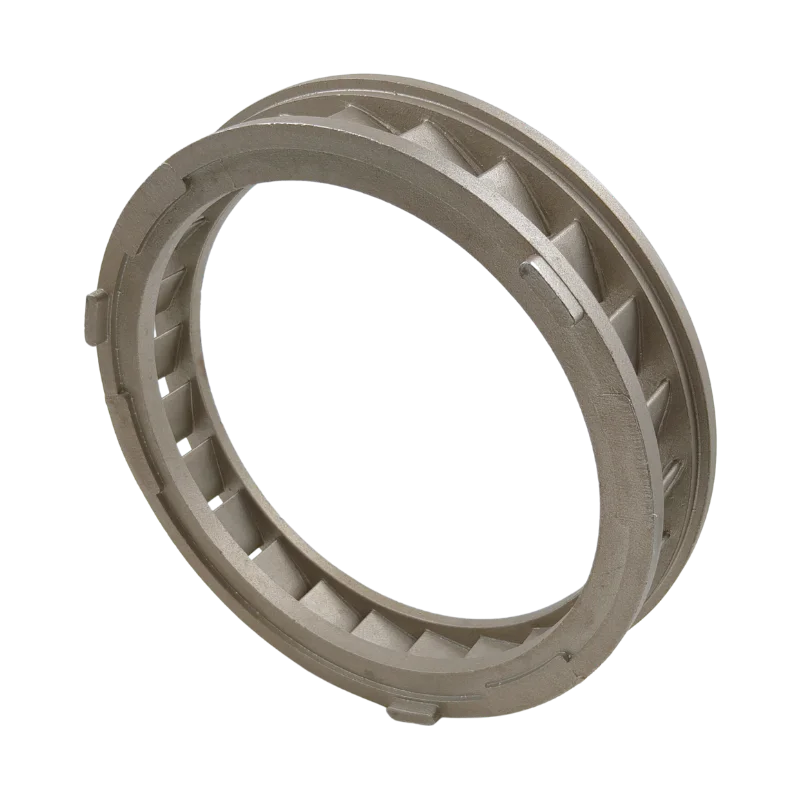
Aluminum
Aluminum is not a common material for investment casting. However, for components with complex geometries that cannot be die cast or economically machined from solid, investment casting offers a precise and cost-effective alternative, as demonstrated by our own production experience.
Learn More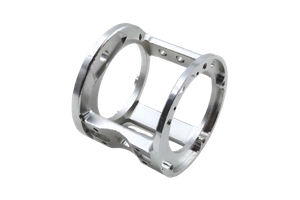
Need Material That's Not on The List?
Through our casting network and the collaboration with the IMR (Institute of Metal Research), the casting materials we can provide are not limited to the existed one. We can also configure alloys that are tailored to your application.
Request Customized MaterialInvestment Casting Capabilities
This general data is offered to help you get a quick understanding of our casting capabilities. Contact us for more project-specific data.
Dimensions & Weight
Parts of the data are strictly limited by our equipment parameters. Which is the max part envelope limited by the inner dimensions of our shell mold baking furnace, and the max weight limited by the capacity of our medium-frequency furnace. As for other restrictions, such as wall thickness and hole diameter, it is affected by multiple factors and need to evaluate the specific project to get accurate data.
| Iron-Based Alloys | Aluminum Alloys | Nickel-Based Alloys | |
|---|---|---|---|
| Max Part Envelope | 600 × 800 × 800 mm | 600 × 800 × 800 mm | 500 × 600 × 600 mm |
| Min. Wall Thickness | 1.5 mm | 1.0 mm | 1.5 mm |
| Weight Range | 0.01 – 100 kg | 0.01 – 50 kg | 0.01 – 70 kg |
Tolorances
Silica sol investment casting achieves tight as-cast tolerances typically within ±0.1–0.3 mm for small and medium-sized castings, depending on part geometry and material.
| Part Size | Tolorances | |
|---|---|---|
| As Cast Blanks | ≤25 mm (≤1″) | ±0.15 mm (±0.006″) |
| 25–100 mm (1–4″) | ±0.20–0.30 mm (±0.008–0.012″) | |
| 100–200 mm (4–8″) | ±0.30–0.50 mm (±0.012–0.020″) | |
| >200 mm (>8″) | ±0.5 mm | |
| CNC Machined — 4-axis (in-house) | ~ | ±0.05 mm |
| CNC Machined — 5-axis (via qualified partner) | ~ | ±0.02 mm |
Surface Roughness
Further surface treatment options including polishing, passivation, and coating are available. See our Surface Treatment section for details.
| Surface Roughness (Ra) | |
|---|---|
| As Cast — Shot Blasted | Ra 6.3 – 12.5 μm |
| As Cast — Sand Blasted | Ra 3.2 – 6.3 μm |
| CNC Machined — 4-axis | Ra 1.6 – 3.2 μm |
| NC Machined — 5-axis | Ra 0.8 – 1.6 μm |
Logo & Text
For logos and texts that need to be attached to the parts, we primarily provide three methods:
- Directly cast on the surface: This method needs to engrave the logo or text on the wax injection mold, both intaglio and relief carving are supported. This is also the most cost-effective and flexible way we suggest.
- Engraving: Engraving is typically applied on the outer surface, which is limited by the engraving machine and the part geometries. This will need an extra fee for each part.
- Laser Etching: This process is similar to engraving, but has more limitations. Surface treatment, such as polishing, will affect the result.
Dimensions & Weight
| Iron-Based Alloys | Aluminum Alloys | Nickel-Based Alloys | |
|---|---|---|---|
| Max Part Envelope | 600 × 800 × 800 mm | 600 × 800 × 800 mm | 500 × 600 × 600 mm |
| Min. Wall Thickness | 1.5 mm | 1.0 mm | 1.5 mm |
| Weight Range | 0.01 – 120 kg | 0.01 – 50 kg | 0.01 – 70 kg |
Tolorances
| Iron-Based Alloys | Aluminum Alloys | Nickel-Based Alloys | |
|---|---|---|---|
| Max Part Envelope | 600 × 800 × 800 mm | 600 × 800 × 800 mm | 500 × 600 × 600 mm |
| Min. Wall Thickness | 1.5 mm | 1.0 mm | 1.5 mm |
| Weight Range | 0.01 – 120 kg | 0.01 – 50 kg | 0.01 – 70 kg |
Surface Roughness
| Surface Roughness (Ra) | |
|---|---|
| As Cast — Shot Blasted | Ra 6.3 – 12.5 μm |
| As Cast — Sand Blasted | Ra 3.2 – 6.3 μm |
| CNC Machined — 4-axis | Ra 1.6 – 3.2 μm |
| NC Machined — 5-axis | Ra 0.8 – 1.6 μm |
Logo & Text
For logos and texts that need to be attached to the parts, we primarily provide three methods:
- Directly cast on the surface: This method needs to engrave the logo or text on the wax injection mold, both intaglio and relief carving are supported. This is also the most cost-effective and flexible way we suggest.
- Engraving: Engraving is typically applied on the outer surface, which is limited by the engraving machine and the part geometries. This will need an extra fee for each part.
- Laser Etching: This process is similar to engraving, but has more limitations. Surface treatment, such as polishing, will affect the result.
Post Processing on Castings
Get precision-cast, surface-finished parts ready for end use. You only need to deal with one supplier to get it all done.
Request a QuoteOur Foundry Capabilities
- CNC Finishing
- Heat Treatment
- Sand/Bead Blasting
- Polishing
Through Our Network
- Powder Coating
- Galvanizing
- Electroplating
- Anoadizing
End-to-End Investment Casting Service
We don't just do casting. YTD is a foundry that provides turnkey casting solutions. Specify your requirements, and we'll turn them into precision-cast and surface-finished components.
Get a QuoteEngineering & Tooling Support
We solve every problem on your way to a finished casting,engineering review, tooling, and production managed under one roof.
Get an Expert ReviewDFM Review
Tooling Fabrication
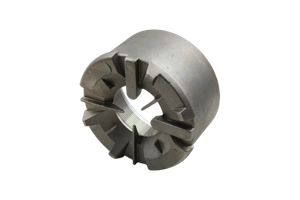
Rapid Prototyping
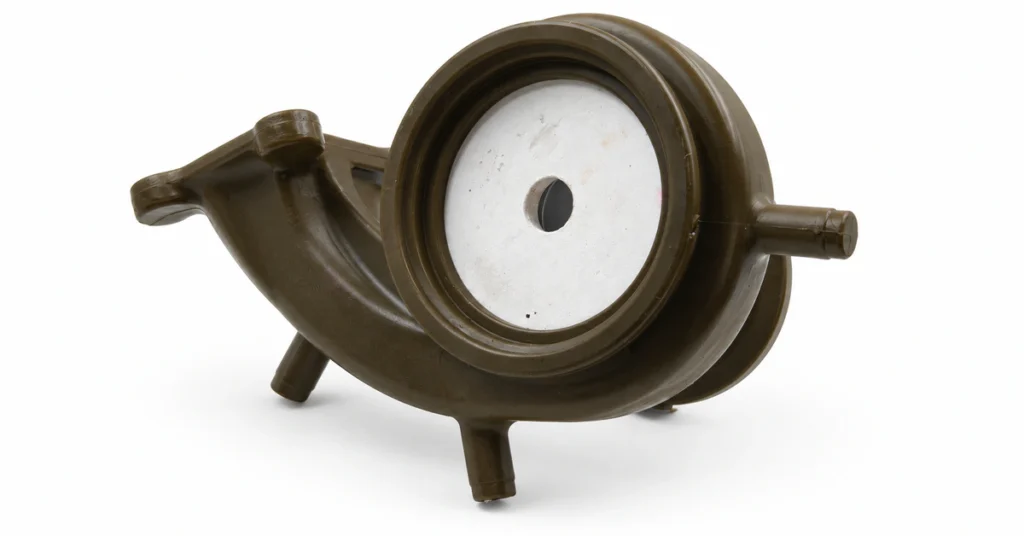
By using 3D-printed wax patterns, we cast prototypes in weeks, no tooling required, no upfront cost commitment.
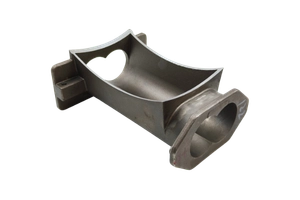
Part Consolidation
We help realize your integrated design, casting multiple parts as a single piece to simplify assembly and improve structural integrity.
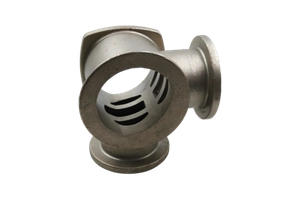
Reduce Manufacturing Costs
Investment casting delivers complex geometries near-net-shape, cutting machining time and material waste.
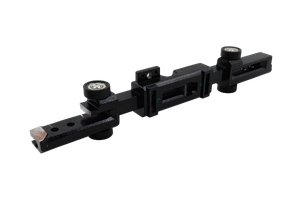
End-Use Production
From casting to machining and surface treatment, we deliver ready-to-install parts, so your supply chain stops at one supplier.
Applications Supported by YTD Casting Service
Four reasons OEM engineers choose investment casting — and why they choose us.
Investment Casting FAQs
Address common questions you may have about investment casting and our casting service
What is investment casting?
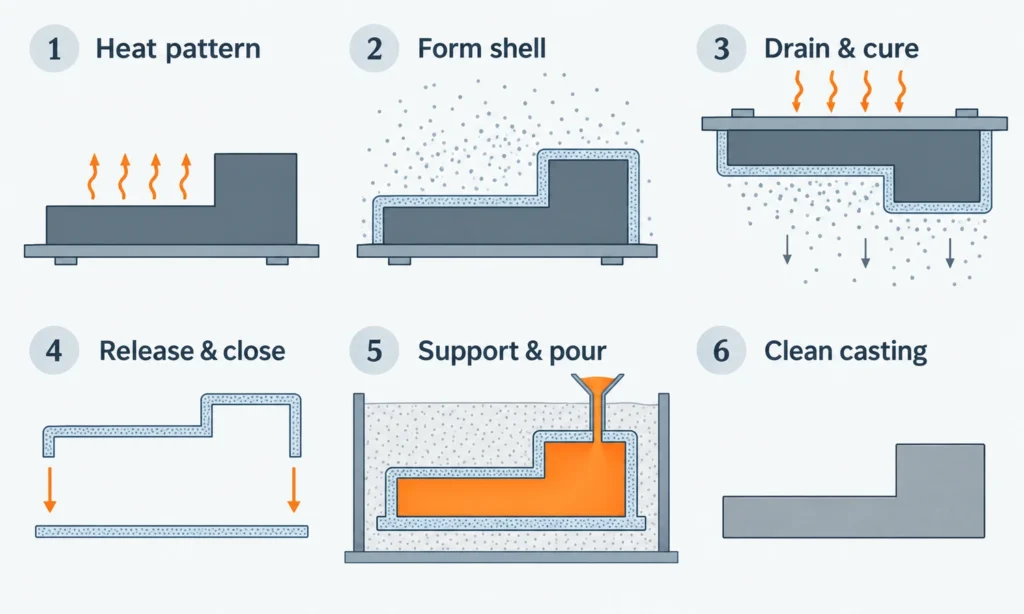
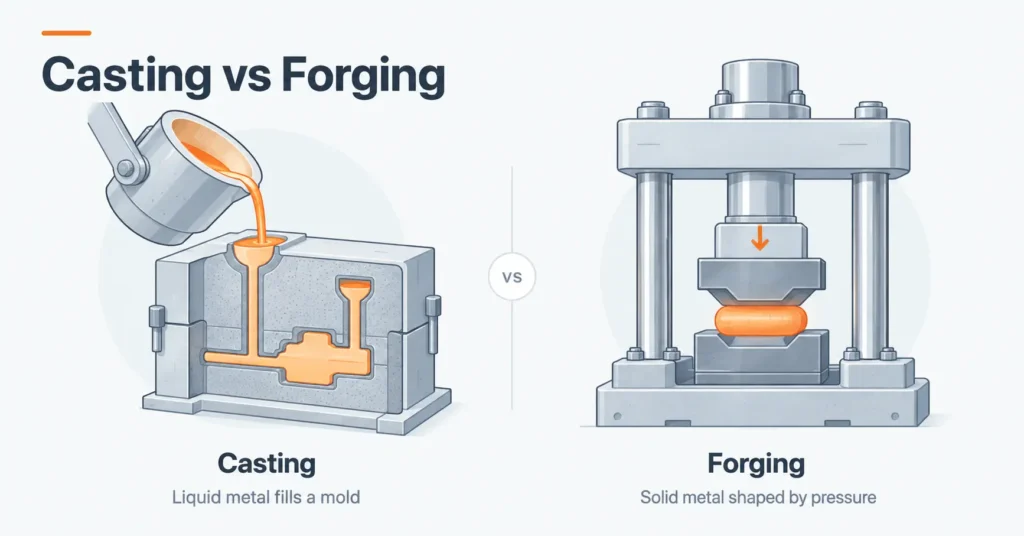
Investment casting, also known as lost-wax casting, has two main sub-processes, each is named after the binder used in the ceramic sullery: silica sol casting and water glass casting. It’s a precision casting process where a wax pattern is coated in ceramic, melted out, and replaced with molten metal. Capable of producing complex, near-net-shape parts in a wide range of alloys.
How does investment casting work?
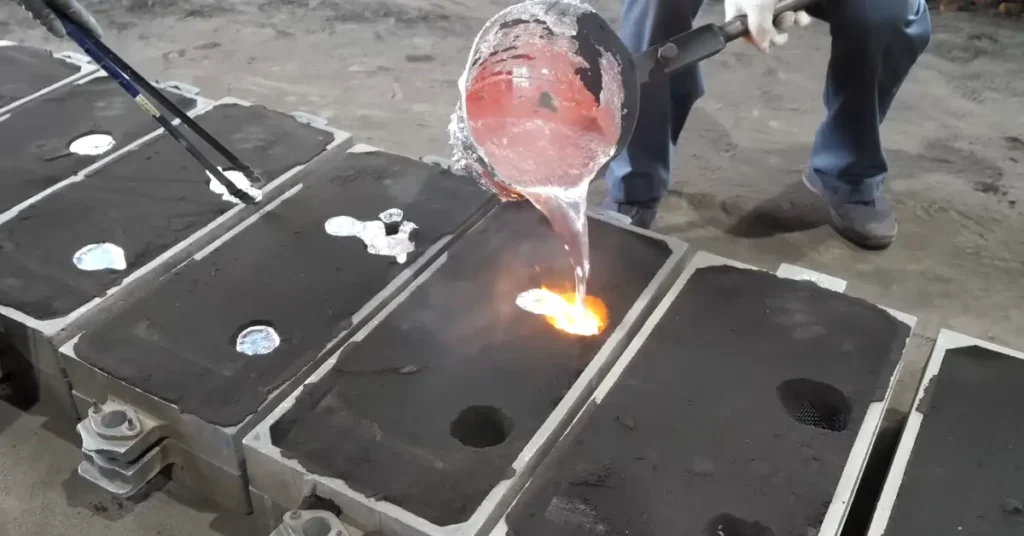
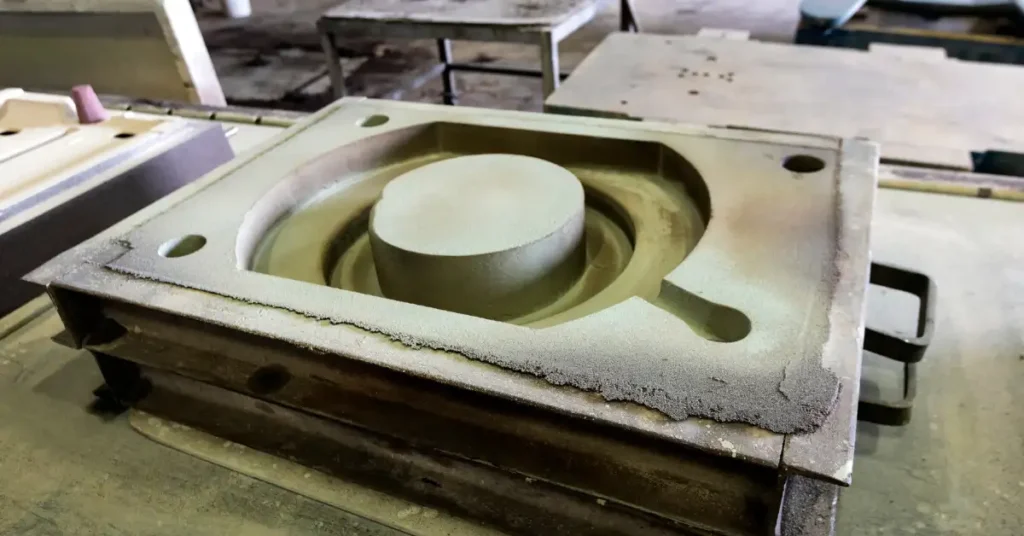
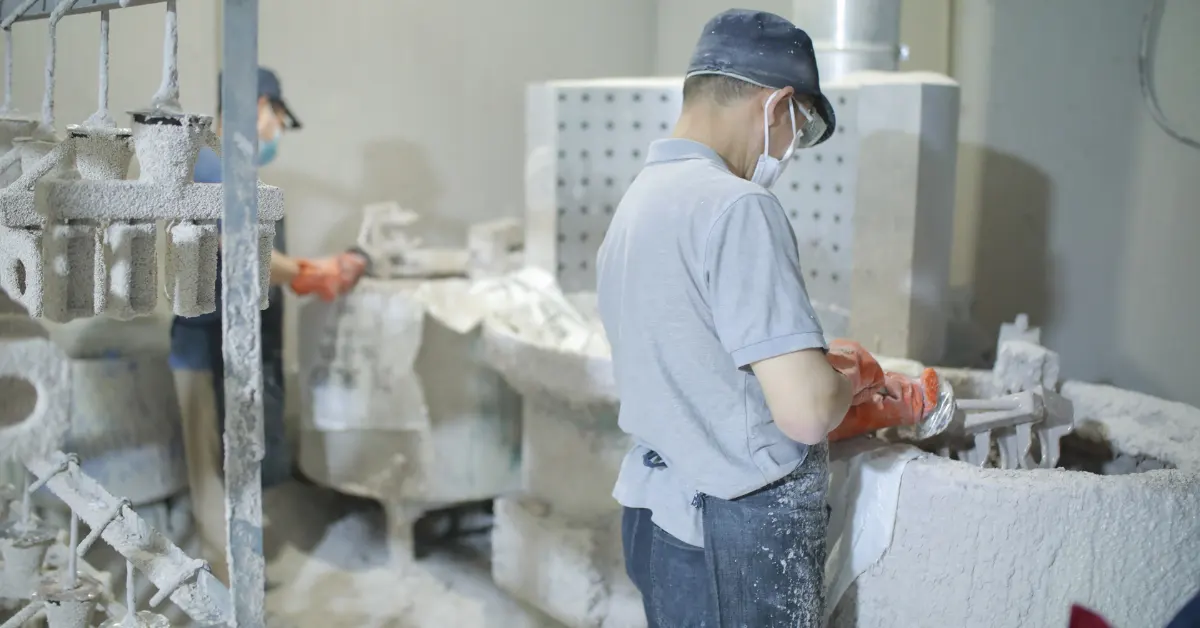
Wax patterns are injection-molded, assembled onto a runner system, coated in ceramic slurry, and fired to form a shell. Molten metal is poured into the shell, which is broken away after solidification. Parts are then cut, cleaned, and finished.
What is the history of investment casting?
One of the oldest known metalworking processes, dating back over 5,000 years. Modern industrial investment casting developed in the 1940s, driven by aerospace demand for complex, high-temperature alloy components.
What's the difference between investment and CNC?
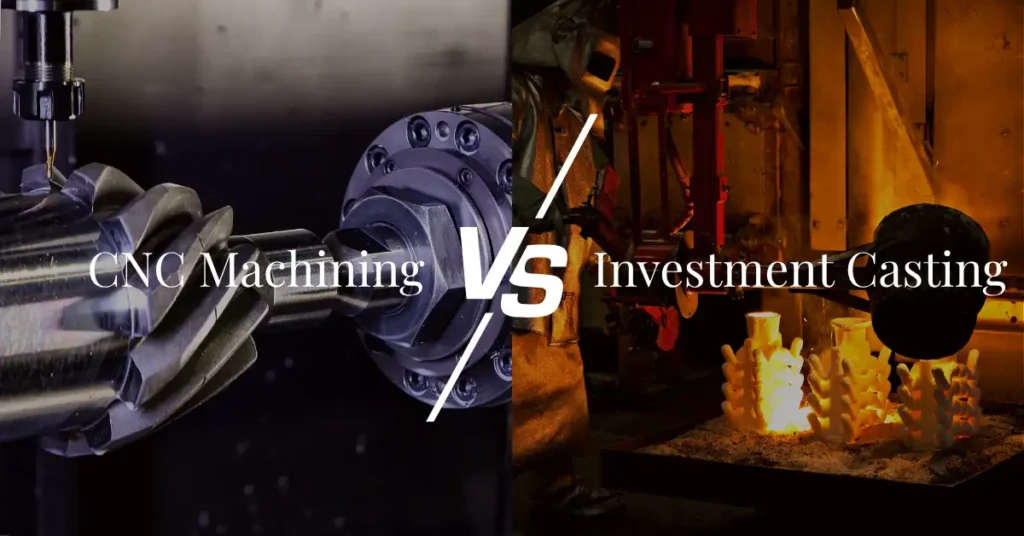
CNC machines parts from solid stock — high precision, high material waste, limited by tool access. Investment casting produces near-net-shape parts directly from a mold — better for complex geometries, internal features, and cost efficiency at volume.
How do you inspect investment casting parts?
Chemical composition is verified by OES spectrometry. Dimensional inspection covers critical features per drawing. Mechanical testing available on request. Full material certifications and inspection reports provided with shipment.
What's your typical MOQ for investment casting parts?
No fixed MOQ. We run prototypes as single pieces and scale to production volumes. Economical batch size depends on part complexity and material — our team will advise during quoting.
Do you offer rapid prototyping for investment casting?
Yes. We use 3D-printed wax patterns to bypass tooling entirely — delivering cast prototypes in weeks. Ideal for design validation before committing to production tooling.
What information do I need to offer to start a project?
3D model (STEP or IGES preferred) plus 2D drawing with tolerances, material specification, required quantity, and any surface finish or testing requirements. The more detail you provide, the faster we can turn around a quote.