Surface Finishing for Castings
Get functional or decorative surface finishes for your casting parts, choosing from dozens of options provided by YTD and the network.
YTD's Surface Finishes
We offer three standard surface finish options for casting parts with in-house capabilities.
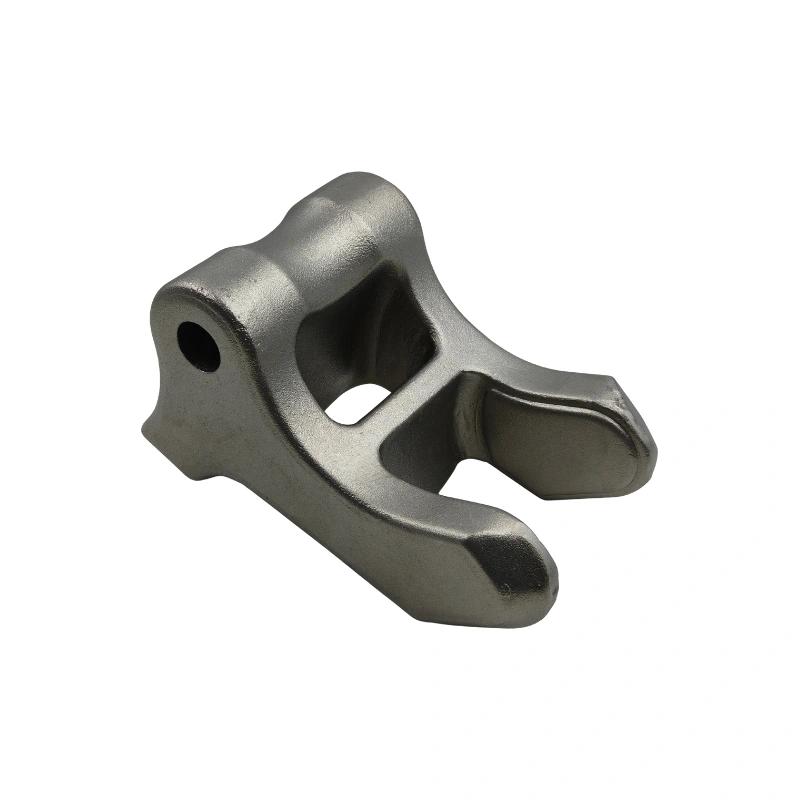
Shot/Bead Blasting
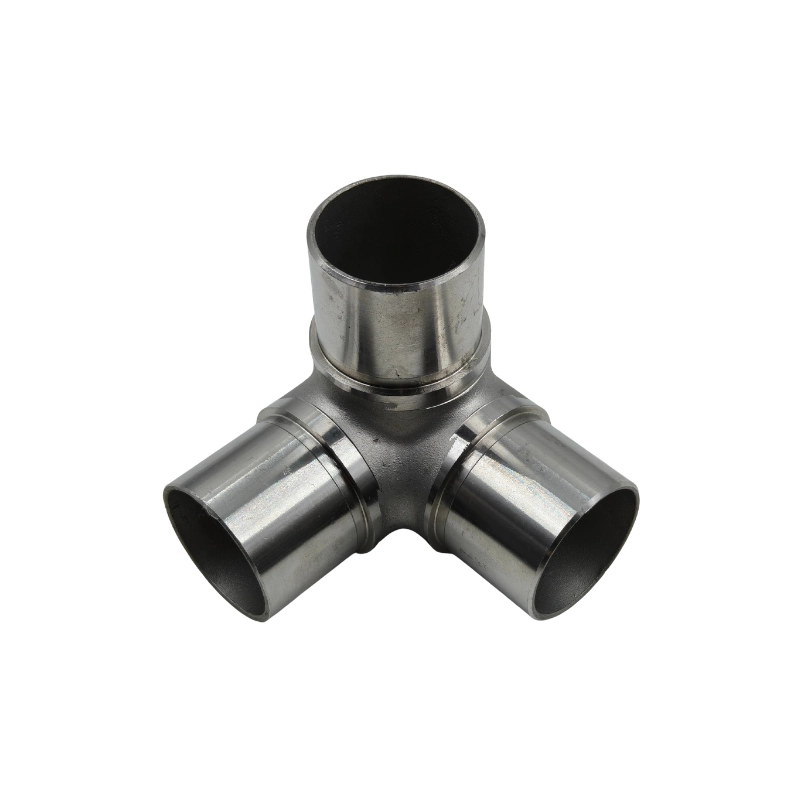
CNC Finishing
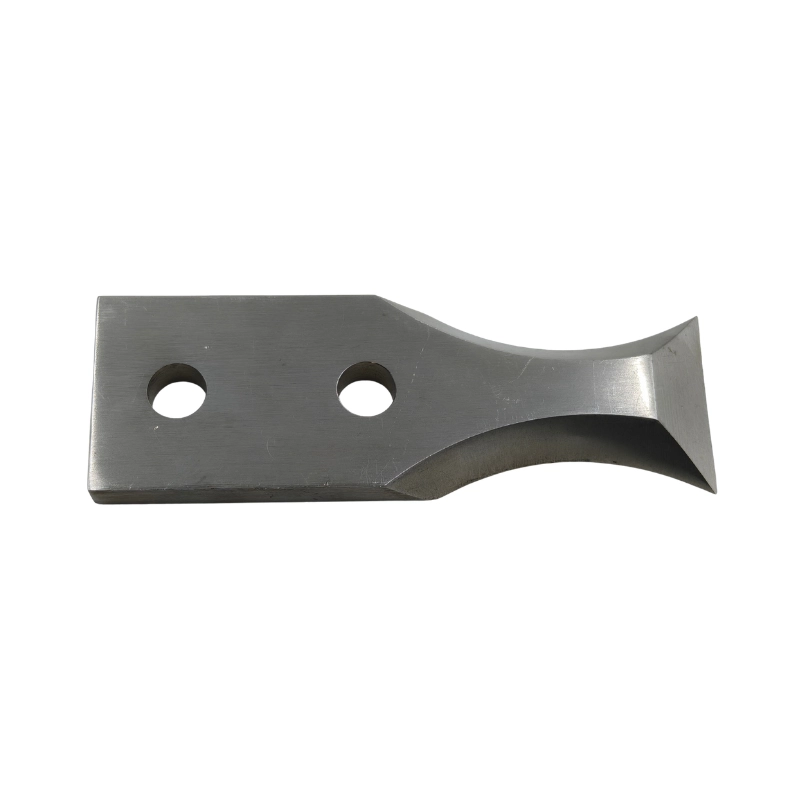
Polishing
Get End-to-End Custom Casting Service
From concept and prototyping to production and machining, we help agricultural equipment manufacturers bring reliable cast components to market with confidence.
Start Your ProjectProtective Surface Finish Options
Choose from a wide range of coating and plating options to protect the casting components.
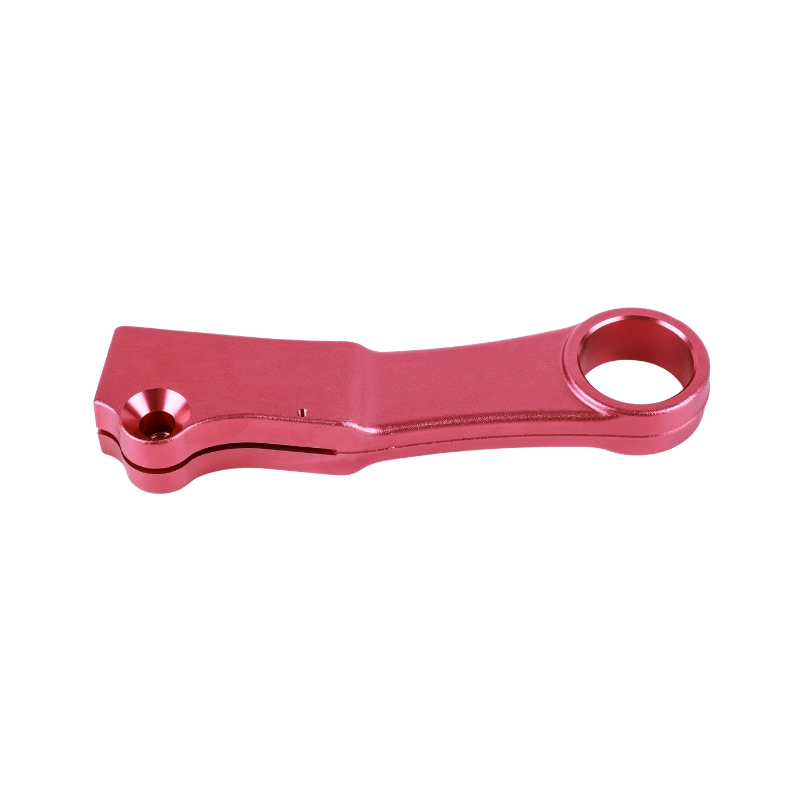
Anodizing
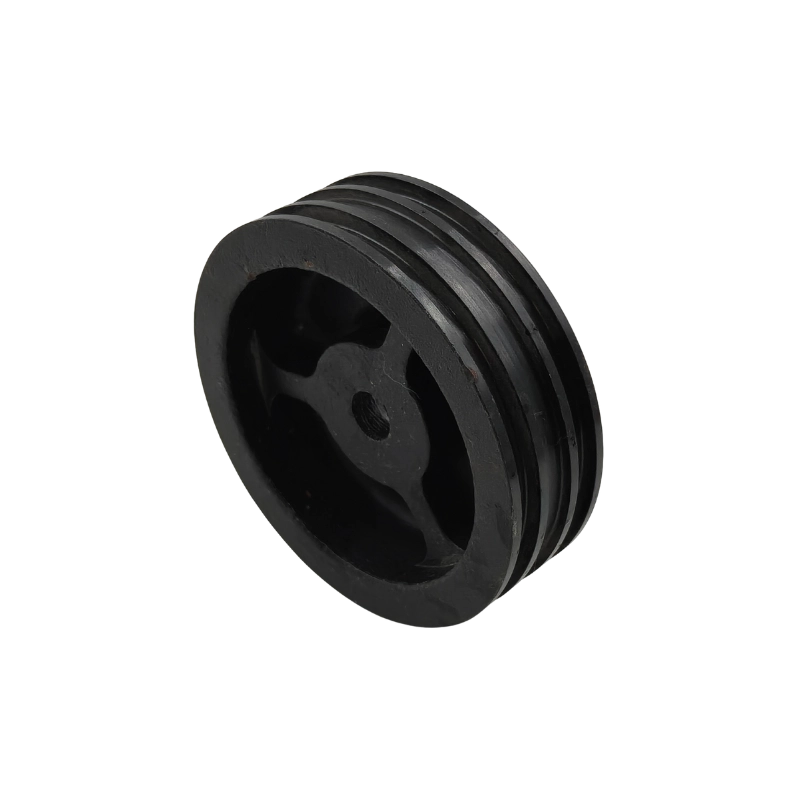
Powder Coating
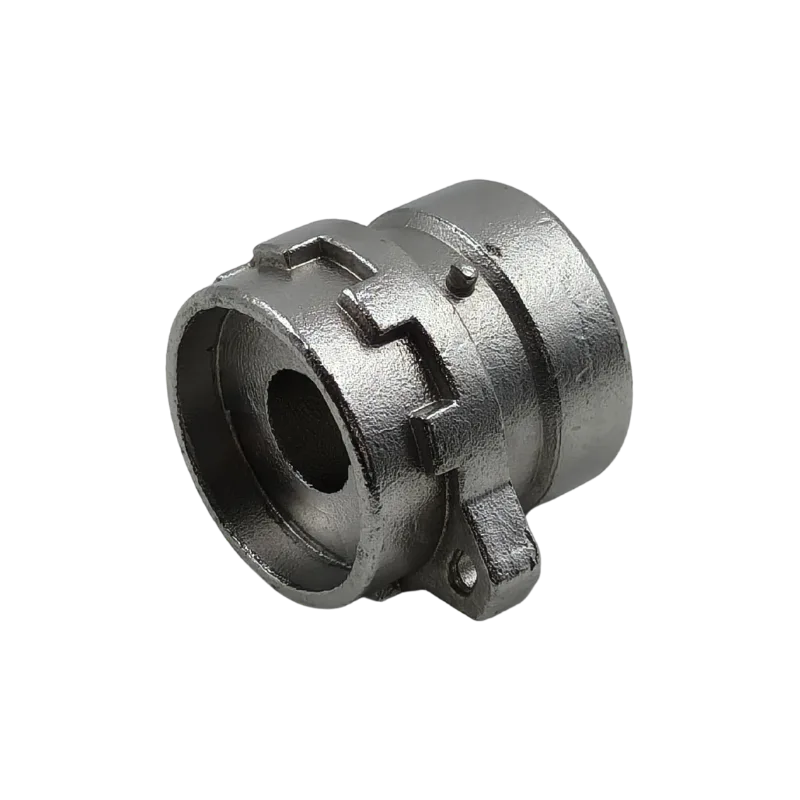
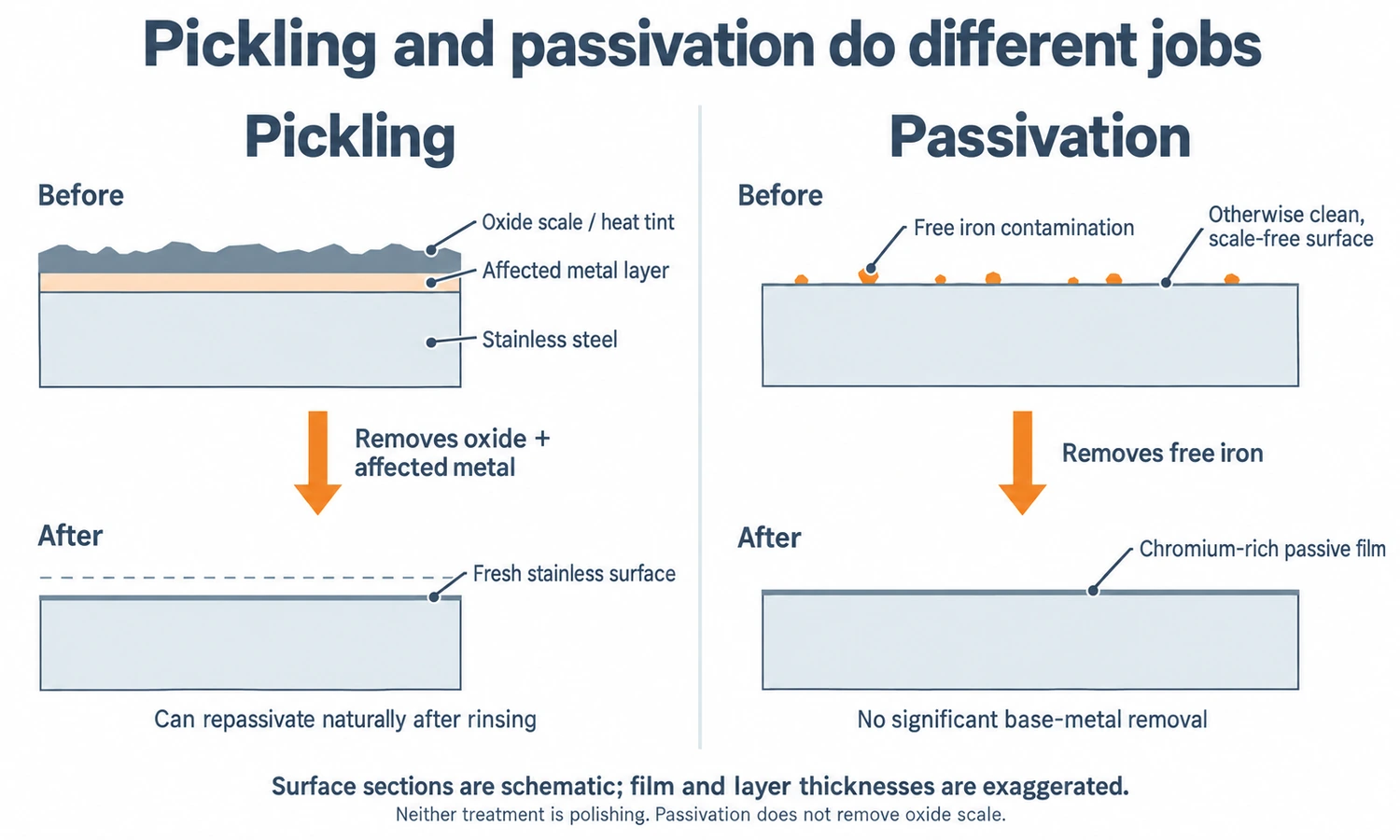
Pickling & Passivation
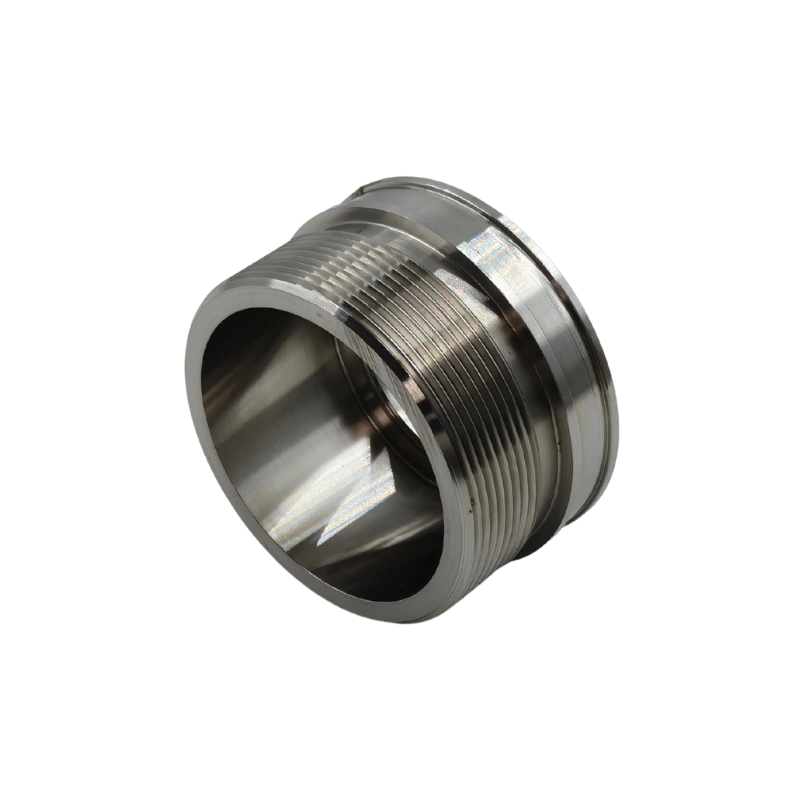
Electroplating
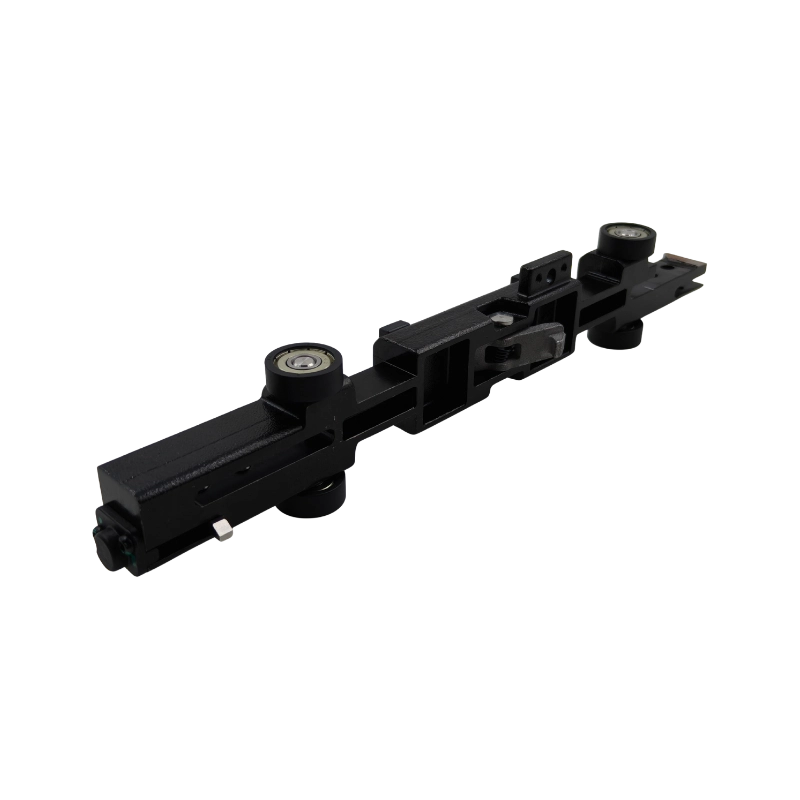
Black Oxide
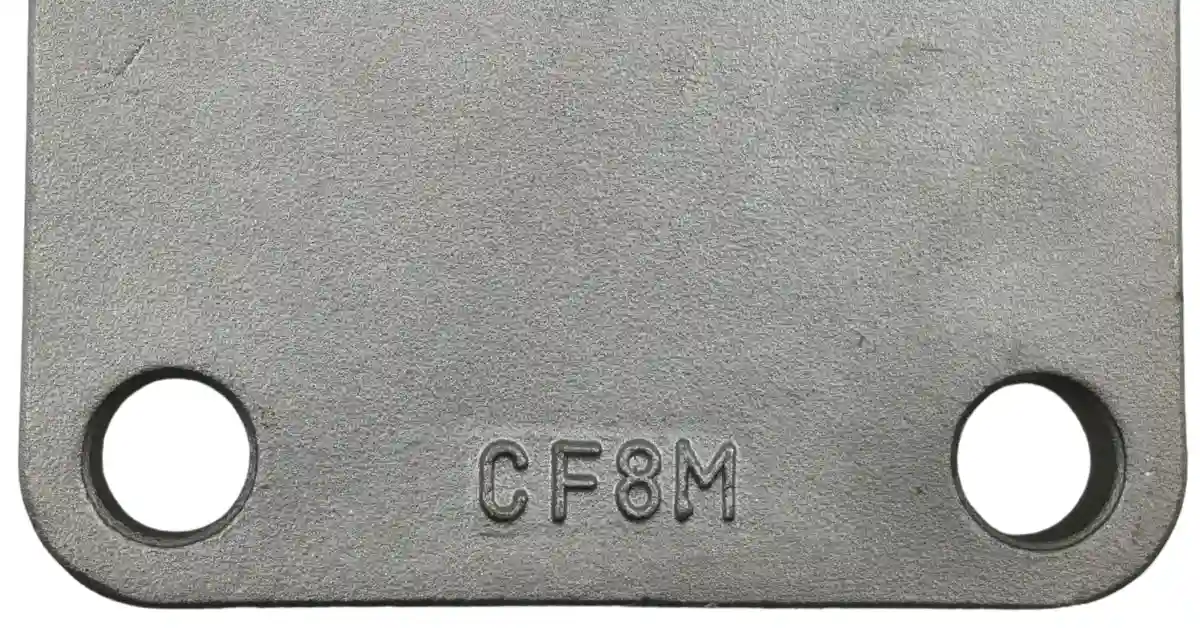
Logo and Mark Options
For most cast parts, logos, part numbers, and other permanent marks can be designed directly into the tooling and cast as raised or recessed features. This provides a durable, repeatable solution without additional marking operations.
For applications requiring more flexibility or finer details, we also offer laser engraving, laser etching, mechanical engraving, and screen printing. The right marking method can be selected based on the material, surface finish, design, and application requirements.
All Surface Finish Options
With our in-house capabilities and qualified supplier network, we provide comprehensive finishing options for a wide range of casting requirements.
| Finish Type | Options | Materials |
|---|---|---|
| Sand Blasting | Fine / Medium / Coarse finish | Stainless Steel, Carbon Steel, Alloy Steel, Cast Iron, Aluminum, Superalloy |
| Bead Blasting | Fine / Satin / Matte finish | Stainless Steel, Aluminum, Superalloy, Magnesium |
| Shot Blasting | Steel shot / Stainless shot | Carbon Steel, Alloy Steel, Cast Iron, Stainless Steel |
| CNC Finishing | Milling / Turning / Grinding | All Castable Materials |
| Polishing | Satin / Mirror / Custom roughness | Stainless Steel, Aluminum, Superalloy, Carbon Steel, Alloy Steel |
| Brushing | Fine / Medium brushed finish | Stainless Steel, Aluminum |
| Electropolishing | Standard / High-finish electropolishing | Stainless Steel, Selected Superalloys |
| Pickling & Passivation | Pickling / Passivation / Pickling + Passivation | Stainless Steel, Selected Superalloys |
| Anodizing | Type II / Colors / Type III Hard Anodizing | Aluminum |
| Powder Coating | Colors / Textures / Gloss levels | Aluminum, Carbon Steel, Alloy Steel, Cast Iron, Magnesium |
| Painting | Liquid paint / Primer + Topcoat / Custom colors | Carbon Steel, Alloy Steel, Cast Iron, Aluminum, Magnesium |
| Electroplating | Zinc / Nickel / Chrome | Carbon Steel, Alloy Steel, Stainless Steel |
| Galvanizing | Zinc Plating / Hot-Dip Galvanizing | Carbon Steel, Alloy Steel, Cast Iron |
| Black Oxide | Standard black / Oil-sealed | Carbon Steel, Alloy Steel, Stainless Steel |
| Phosphating | Zinc Phosphate / Manganese Phosphate | Carbon Steel, Alloy Steel, Cast Iron |
| Logo & Marking | Cast-In / Laser Engraving / Mechanical Engraving / Screen Printing | All Castable Materials |
FAQs
Does your quotation include surface finishing?
Yes. If finishing requirements are provided with your drawing or RFQ, we can include the related finishing cost in the quotation.
Can you match a specific color or surface appearance?
Yes. For processes such as powder coating, painting, anodizing, and plating, we can work according to specified colors, samples, or other appearance requirements.
Are all finishing processes completed in-house?
Sand blasting, bead blasting, polishing, and CNC finishing can be handled in-house. Other specialized finishes are completed through our qualified supplier network.
Can you provide samples before mass production?
Yes. Samples or first articles can be produced to confirm appearance, color, texture, and other finishing requirements before production.
Can you recommend a suitable finish for my casting?
Yes. We can suggest suitable finishing options based on the material, application, appearance, corrosion resistance, and cost requirements.
Will surface finishing affect part dimensions or tolerances?
Some coatings and plating processes add thickness to the surface. We consider this during manufacturing, especially on critical dimensions and mating surfaces.
How do you control the quality of outsourced finishing?
Our team manages supplier selection, process requirements, and final inspection before finished parts are shipped.
Does surface finishing increase lead time?
Usually yes. The additional time depends on the finishing process, order quantity, and specific requirements.