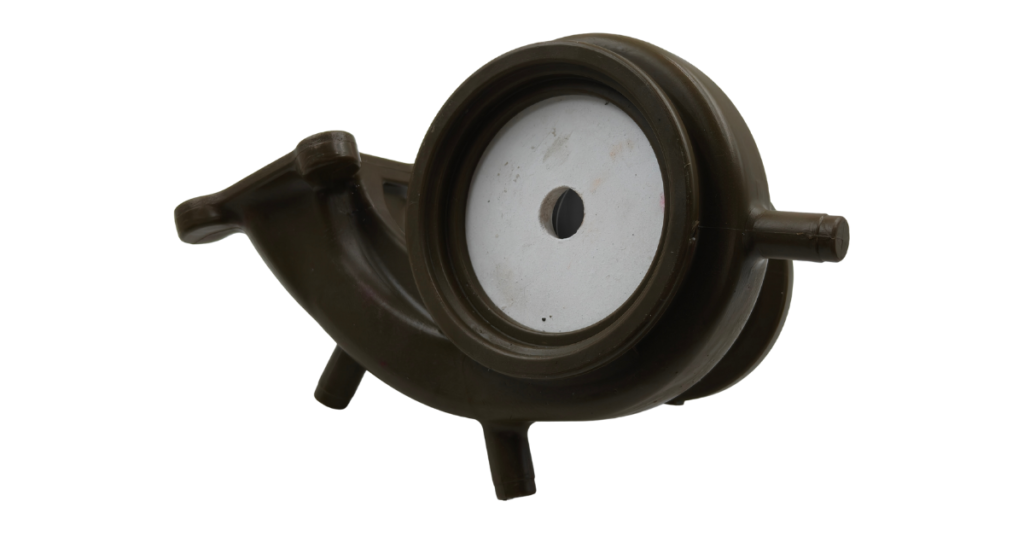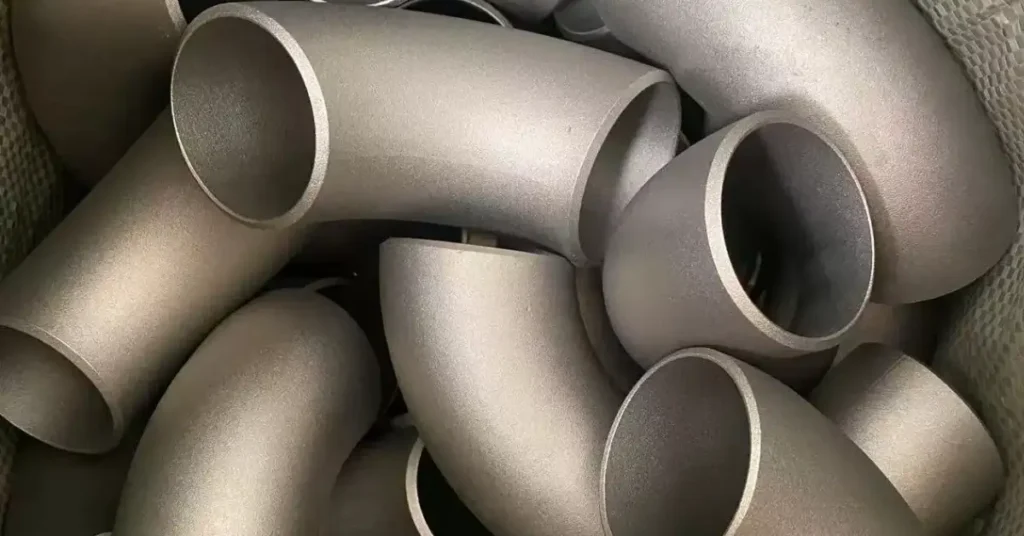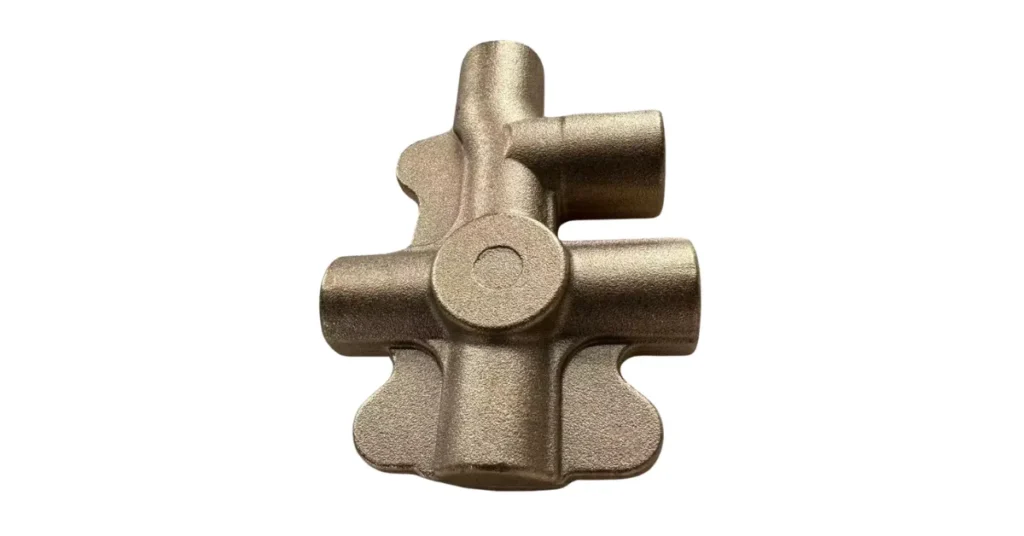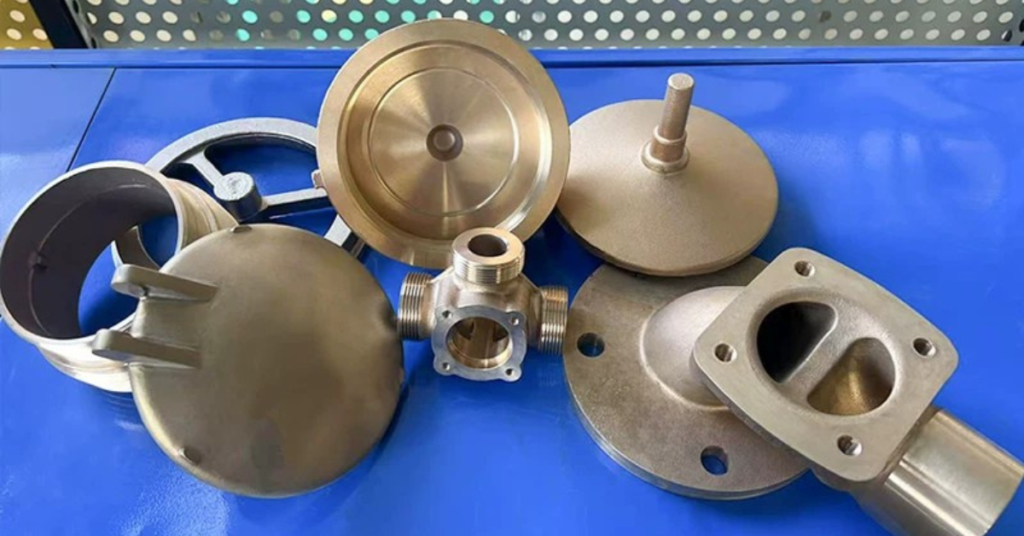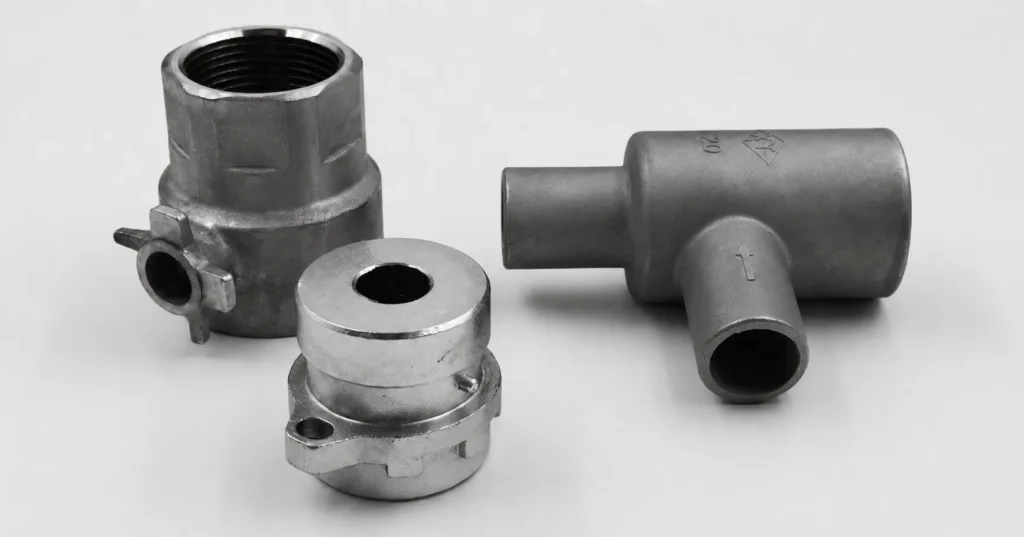
Mold Manufacturing for Investment Casting
Reliable mold design and manufacturing for accurate, consistent, and efficient custom investment casting.
How We Fabricate Casting Molds
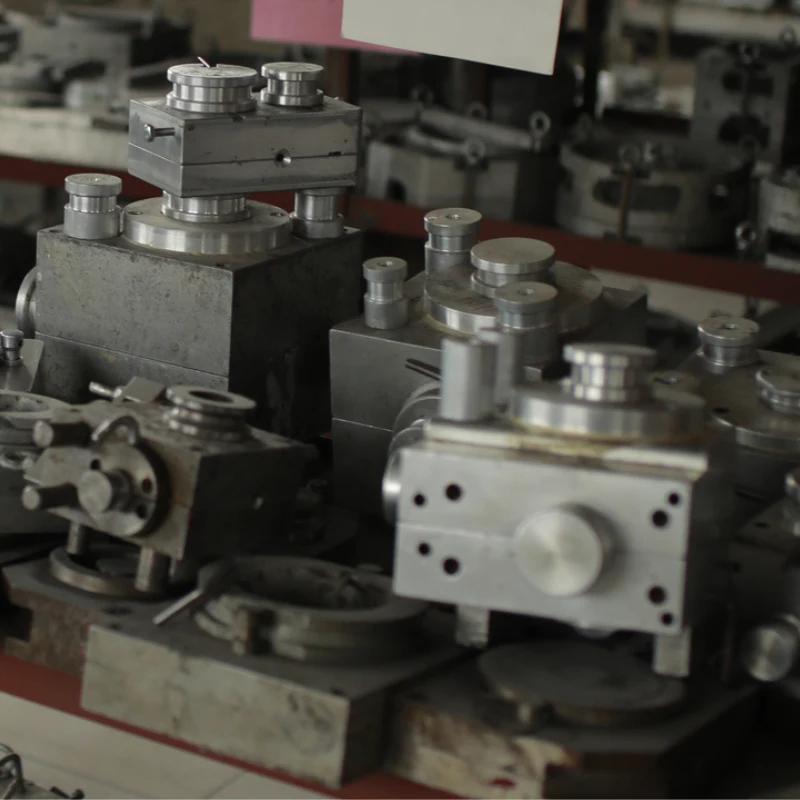
CNC Machining
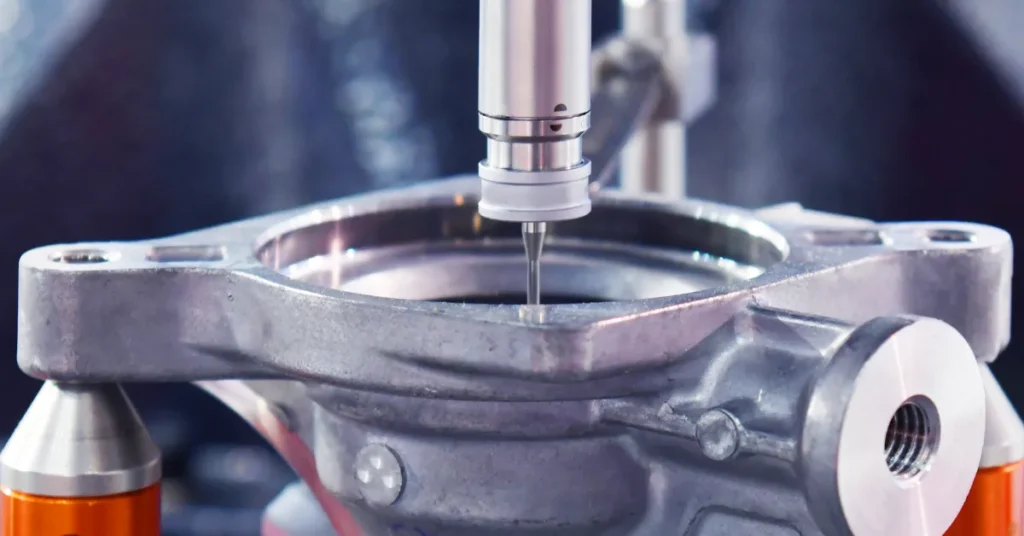
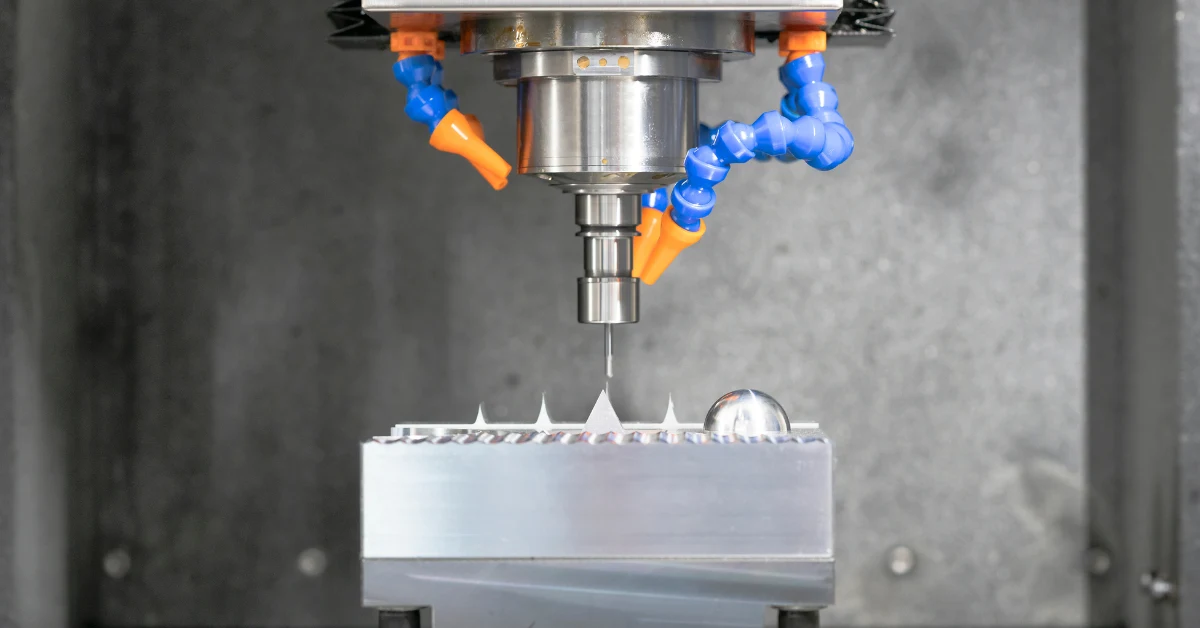
Fully CNC machined from aluminum or steel billet with our 4-axis machining center.
Best for: Small to medium casting parts that require excellent as-cast tolerance.
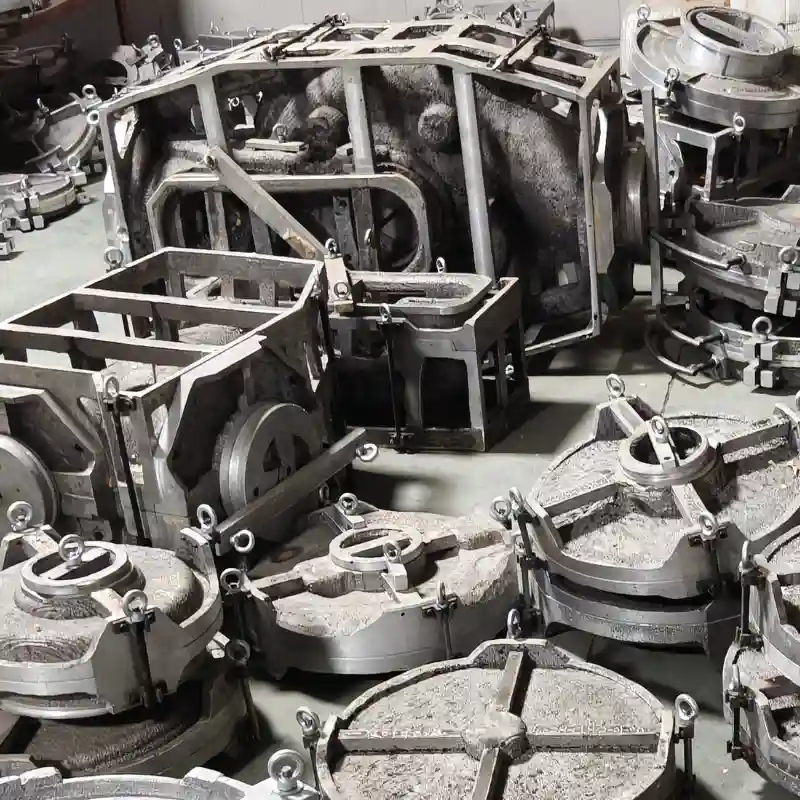
Casting + CNC Machining
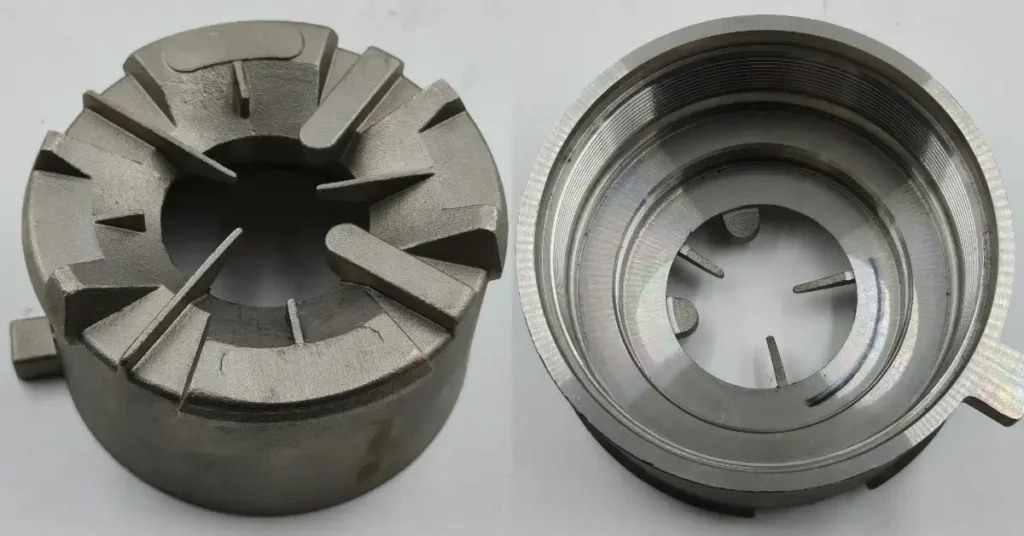
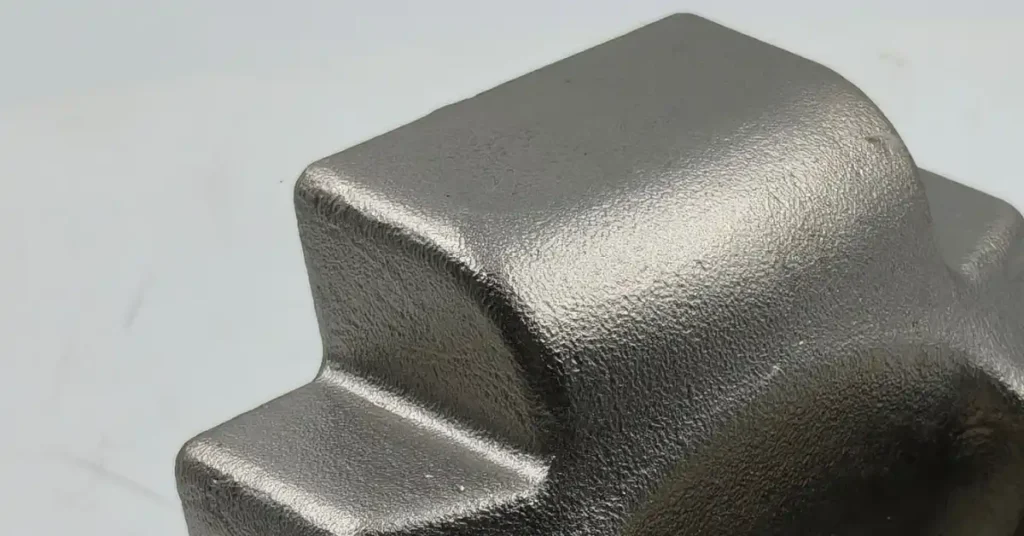
Utilize lost foam casting to produce the mold blank and finish the mold by CNC machining.
Best for: Large castings over 10 kilos or parts with a simple structure and lower surface requirements
Materials for Investment Casting Mold
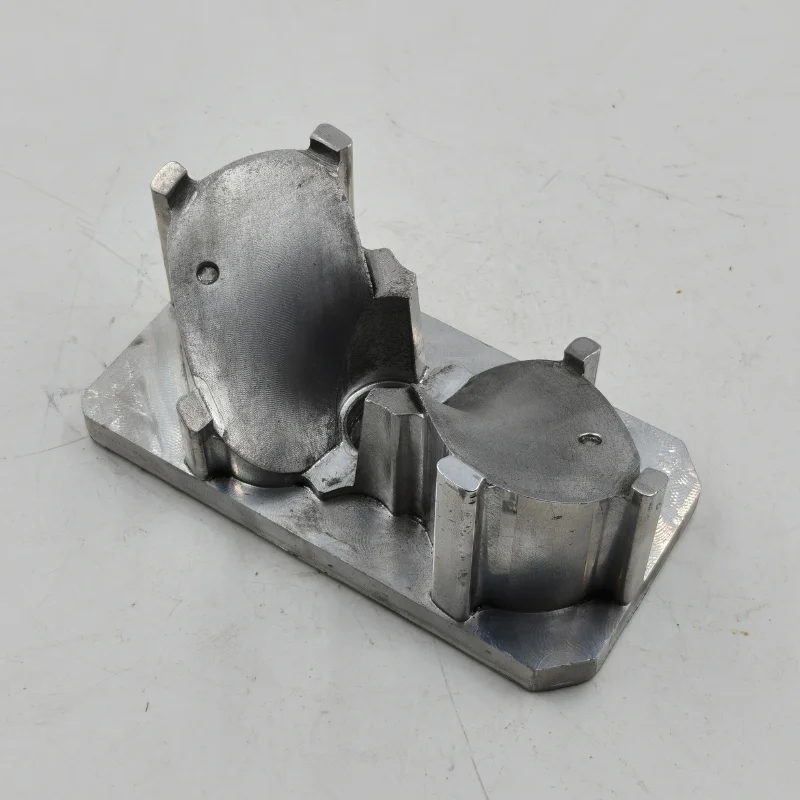
Aluminum Molds
Aluminum molds typically offer faster delivery, lower initial cost, and easier modification. It is well suited to prototypes and low- to medium-volume production.
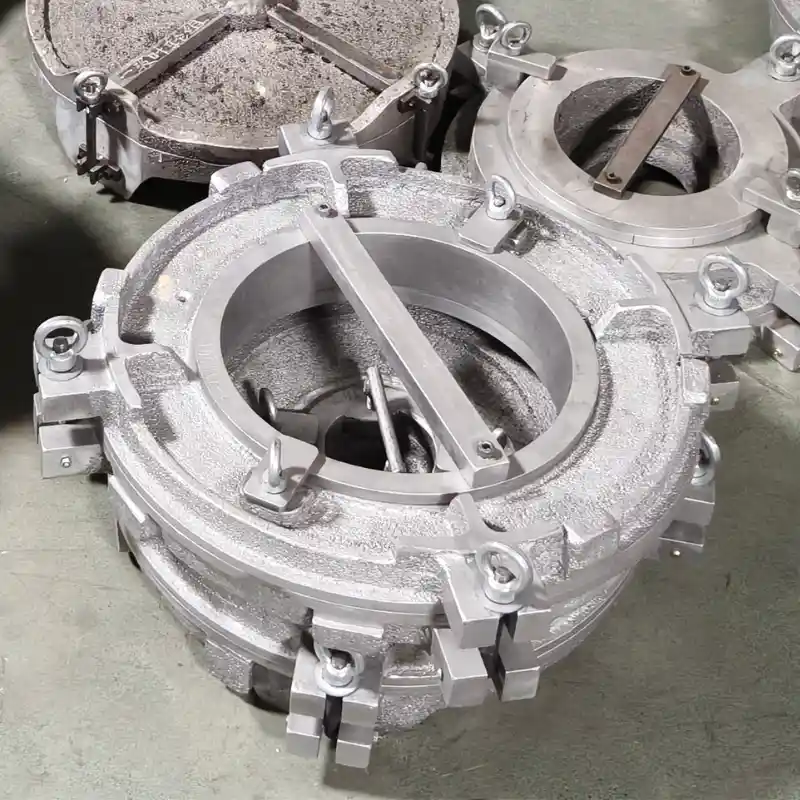
Steel Molds
Steel molds provide greater rigidity, wear resistance, and service life, making them suitable for larger molds and long-term production.
Mold Manufacturing Capabilities
| Tooling Route | Material | CNC Capability | Tooling Scale | Demonstrated Size |
| Direct CNC | Aluminum alloy | In-house 4-axis CNC | Small to medium | 500 mm × 500 mm × 400 mm |
| Cast + CNC | Cast steel | CNC finish machining | Medium to large | 1,200 mm × 500 mm × 500 mm |
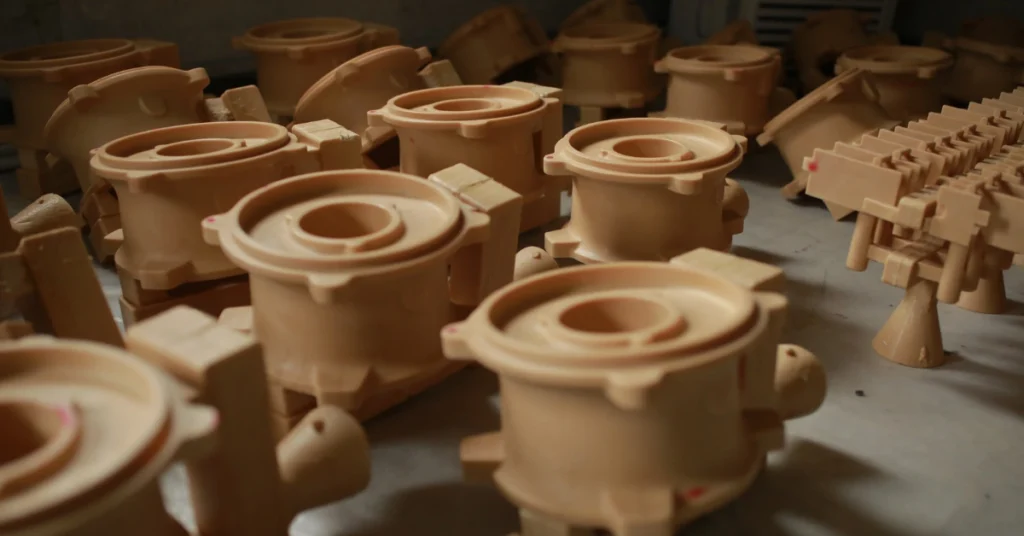
Rapid Prototyping With 3D Printed Pattern
Alongside our aluminum and steel tooling options, YTD offers 3D-printed wax patterns for prototypes, design validation, and low-volume projects. Patterns are produced directly from your 3D CAD data, eliminating upfront tooling and helping you obtain investment-cast samples faster while keeping design changes flexible.
Investment Casting DFM & Mold Design Support
Send us your product drawing, 3D model, or sample, and our engineers will help develop a casting-ready product and tooling solution.
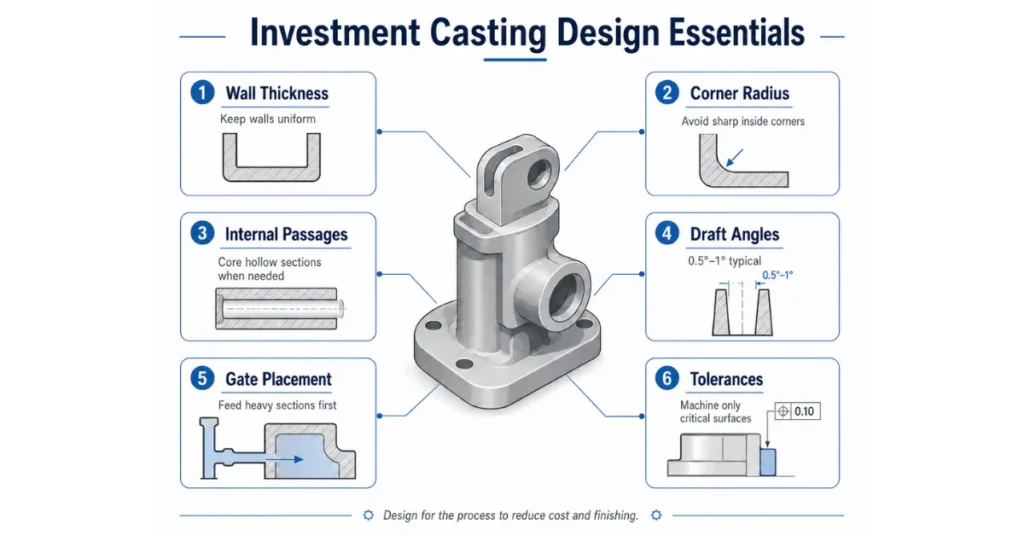
We review technical details like wall thickness, tolerances, core requirements, shrinkage, wax pattern removal, etc. If any feature may create casting defects or production difficulties, we recommend practical design improvements.
Our goal is to preserve the required function while improving castability, dimensional consistency, production efficiency, and overall manufacturing cost. Once approved, the optimized design is converted into production-ready wax injection tooling.
YTD - Reliable Custom Casting Partner
Share your drawings, 3D models, or samples with our engineering team. We will review your design and requirements, then recommend a practical manufacturing solution—from prototype to production.
Discuss Your Casting ProjectInvestment Casting Mold Manufacturing Process
We manage every stage of wax injection tooling development—from drawing review and dimensional engineering to trial injection and final approval.
- 01
Design or Sample Review
Review drawings, 3D models, or physical samples to confirm dimensions, materials, tolerances, production volume, and tooling requirements. - 02
Mold Design & Simulation
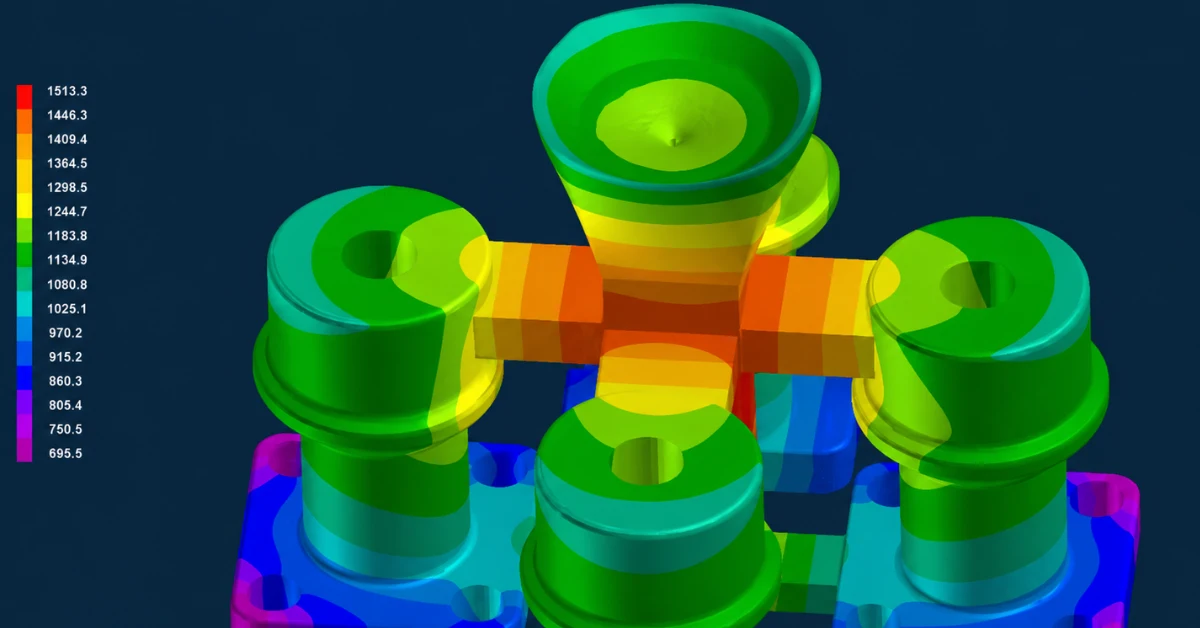
We develop the mold structure and evaluate shrinkage allowance, parting lines, cores, wax flow, venting, cooling, and pattern removal. - 03
Mold Manufacturing
Mold components are manufactured through precision machining and finishing according to the approved design. - 04
Mold Assembly & Inspection
The mold is assembled, fitted, and inspected to verify dimensional accuracy, alignment, movement, and reliable operation. - 05
Wax Injection Trial & Optimization
Trial wax patterns are produced and checked for filling, dimensions, surface quality, distortion, flash, and ease of removal. Adjustments are made where required. - 06
Validation & Production Release
After first-article approval and any required sample-casting validation, the mold is released for production and delivered with the relevant inspection records.
FAQs
Who selects the mold material?
You may specify the material, or YTD can recommend the most suitable option based on the mold size, part complexity, production volume, expected tool life, lead time, and budget.
Does the mold material affect the final casting?
The material mainly affects wax-pattern consistency, thermal performance, cycle time, dimensional stability, and mold life. Both aluminum and steel molds can produce qualified castings when properly designed, manufactured, and used.
Does the mold material affect the final casting?
The material mainly affects wax-pattern consistency, thermal performance, cycle time, dimensional stability, and mold life. Both aluminum and steel molds can produce qualified castings when properly designed, manufactured, and used.
How do you ensure the accuracy of a cast steel mold?
The cast blank is produced with machining allowance. Mold cavities, parting surfaces, locating features, and other critical areas are CNC finish-machined and inspected according to the approved design.
What is the difference between aluminum and steel tooling?
CNC-machined aluminum tooling is typically lighter, faster to manufacture, easier to modify, and more economical for development or moderate production volumes. Steel tooling provides greater strength, wear resistance, and service life for more demanding or long-term production.
Is steel tooling always the better choice?
Not necessarily. Steel offers greater durability, while aluminum may provide a better balance of cost, lead time, performance, and ease of modification. We recommend the option that best matches your actual production requirements.
Why use lost foam casting for steel mold blanks?
Lost foam casting produces a near-net-shape steel blank, reducing material waste and unnecessary machining, particularly for large or complex molds. Critical surfaces are subsequently CNC finish-machined to achieve the required accuracy.
Can you manufacture a mold from an existing sample?
Yes. We can evaluate a physical sample and develop the required tooling data. Providing drawings, critical dimensions, material information, and application requirements will help improve accuracy and shorten development time.