
Categories
Tags
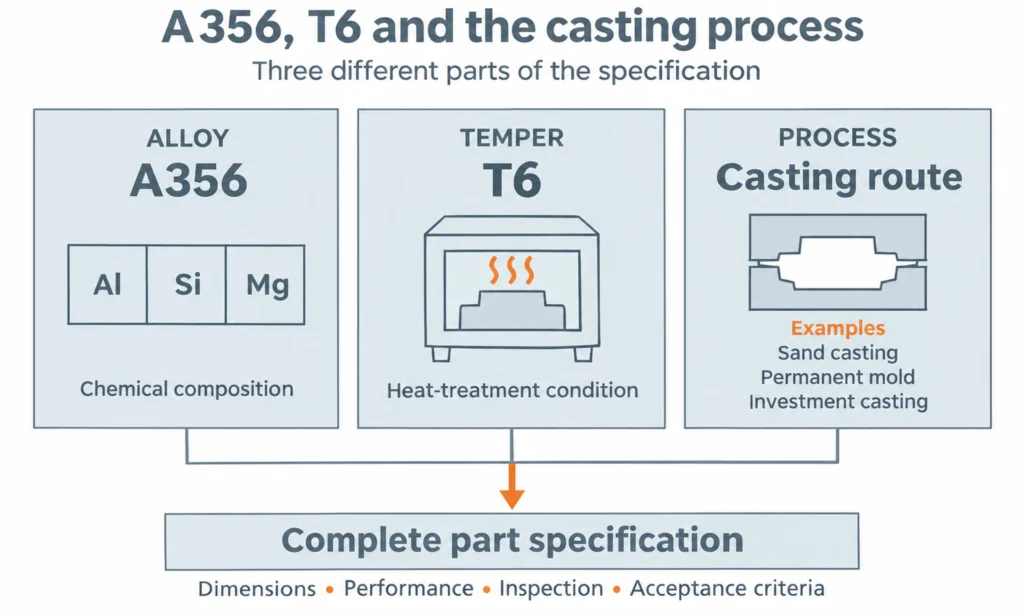
A356 Aluminum Casting: Properties, T6 Heat Treatment, and Uses
Understand A356 aluminum casting chemistry, typical properties, T6 heat treatment, process options, applications, quality and ...
11 min read
Read More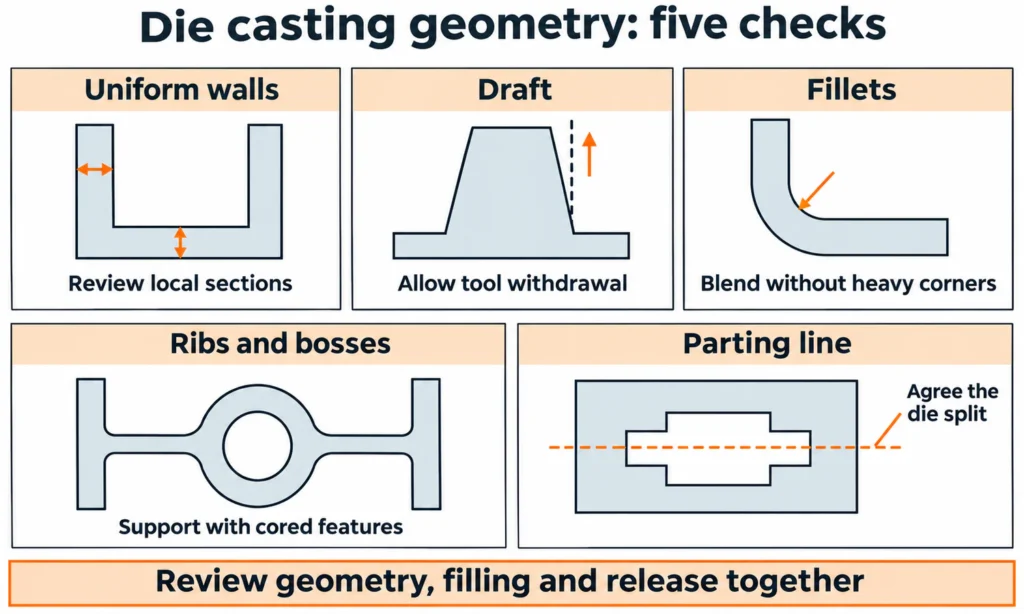
Die Casting Design Guidelines: Walls, Draft, Ribs, and Tolerances
Review practical die casting design guidelines for wall thickness, draft, fillets, ribs, bosses, holes, tolerances, ...
12 min read
Read More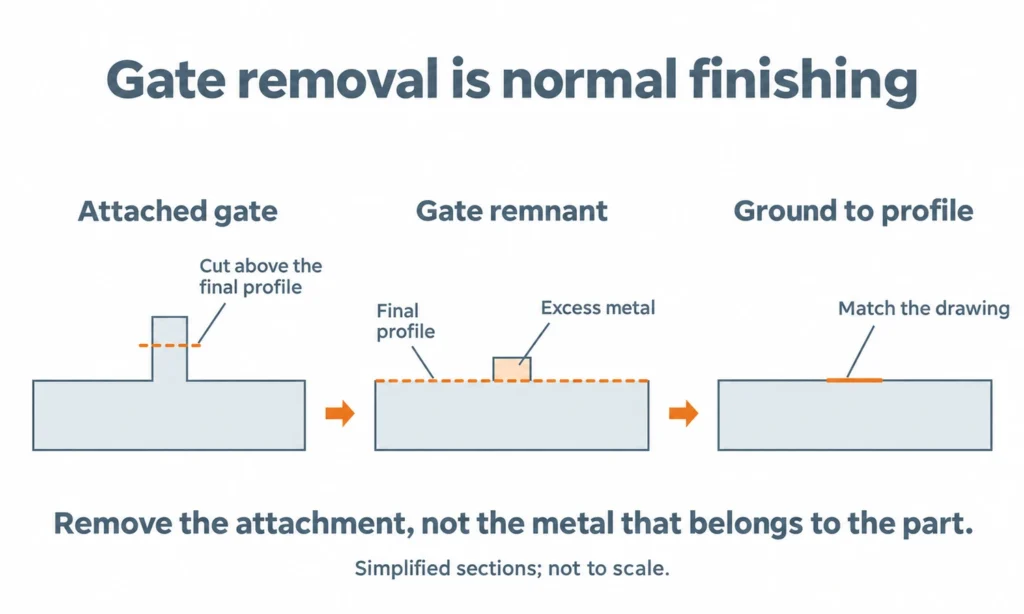
Investment Casting Post-Processing: From Raw Casting to Finished Part
See how investment castings move from raw castings to finished parts through cleaning, heat treatment, ...
12 min read
Read More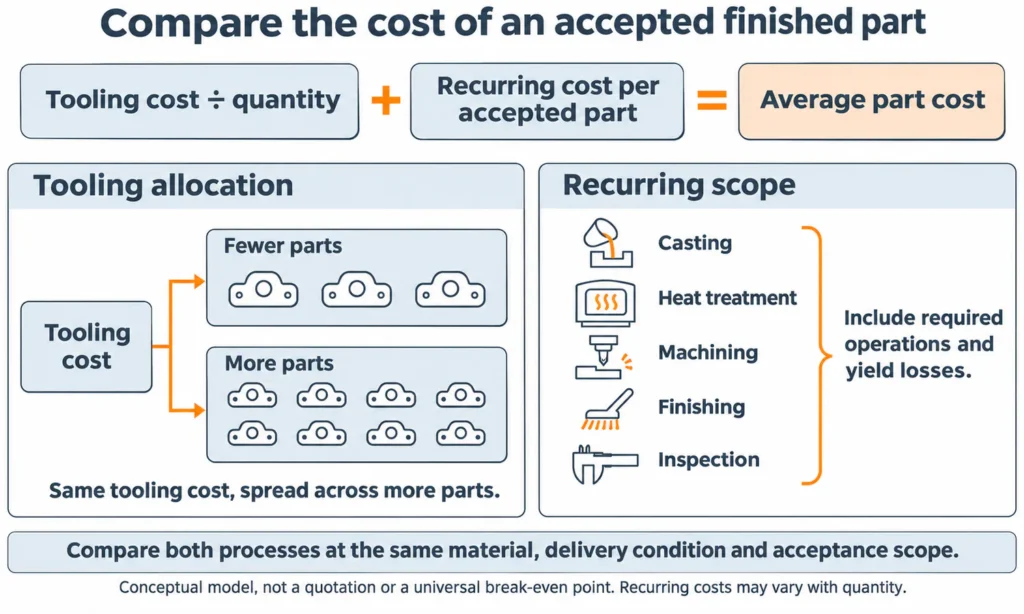
Shell Molding vs Investment Casting: Differences and How to Choose
Compare shell molding and investment casting by mold construction, geometry, accuracy, surface finish, tooling, volume, ...
11 min read
Read More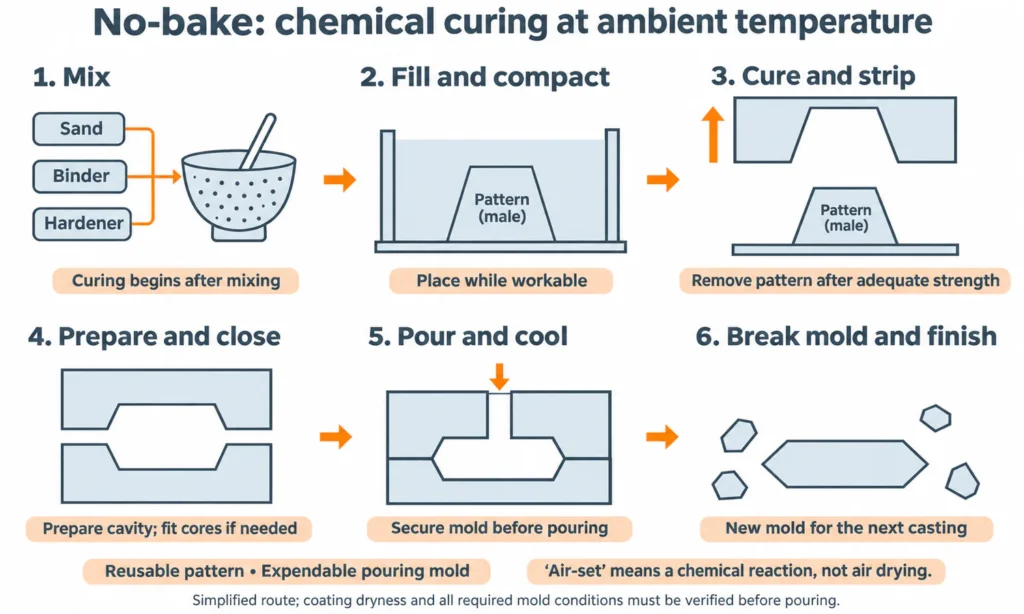
No-Bake Sand Casting: Process, Materials, Benefits, and Uses
Learn how no-bake sand casting uses chemically bonded sand, how molds are prepared and cured, ...
14 min read
Read More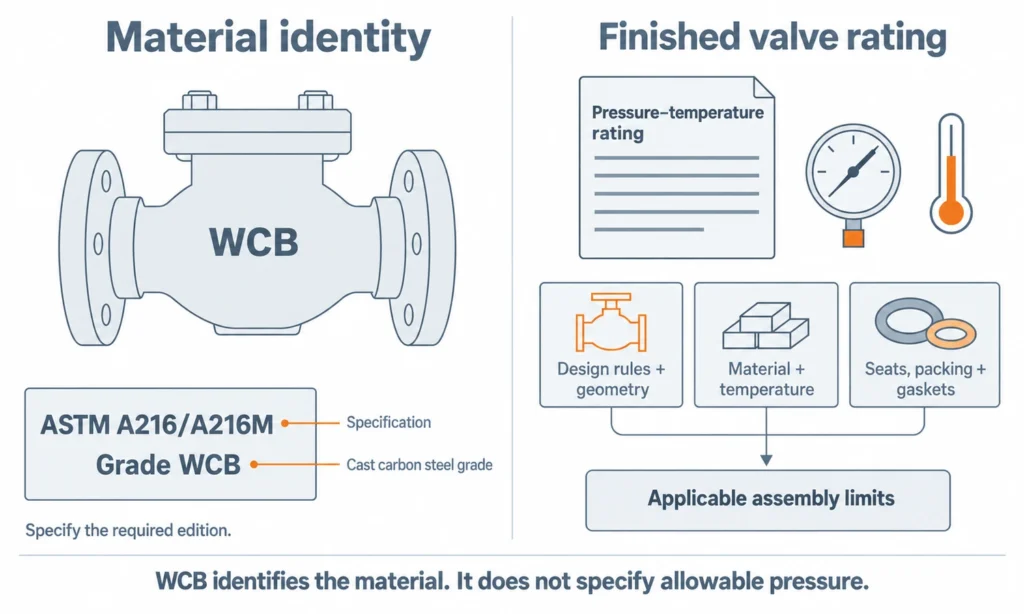
WCB Material: Meaning, Properties, Uses and Comparisons
Learn what WCB material is, how its chemistry and properties are specified, where it is ...
11 min read
Read More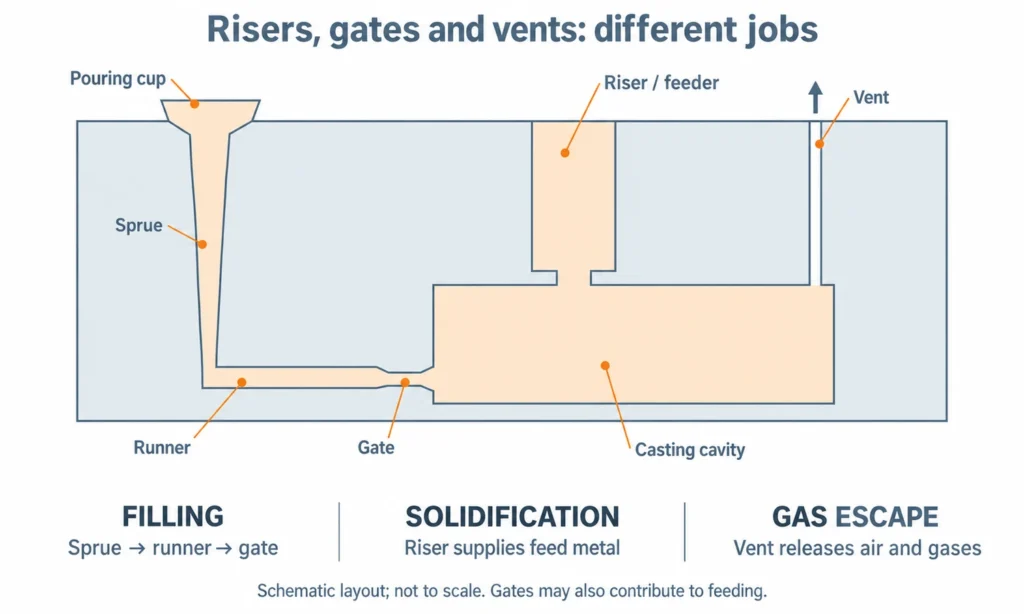
Risers in Casting: Purpose, Types and Design Basics
Learn how casting risers prevent shrinkage, how open, blind, top, side, live and dead risers ...
11 min read
Read More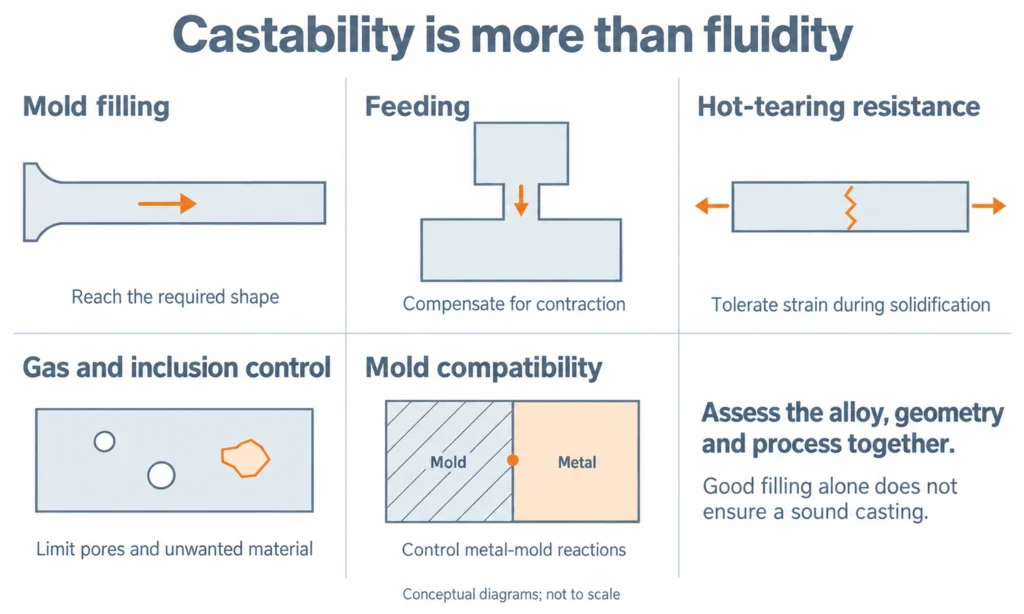
Castability of Metals: Meaning, Factors and Alloy Differences
Learn how fluidity, feeding, hot tearing, gas and inclusion control, temperature and part geometry determine ...
12 min read
Read More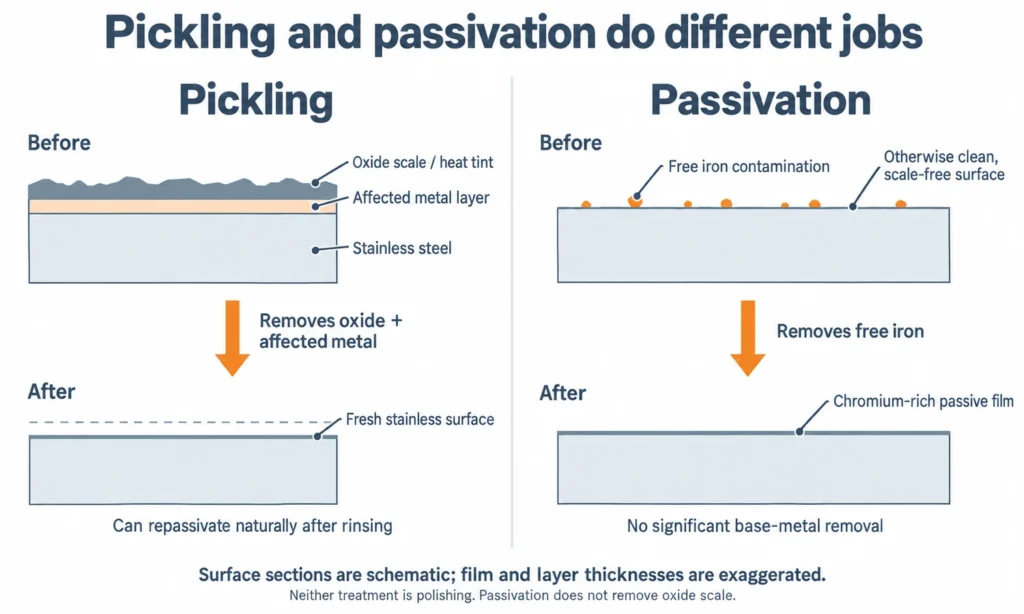
Pickling vs Passivation for Stainless Steel Castings: Differences, Uses & ...
Learn when stainless steel castings need pickling, passivation or both, how each treatment changes the ...
13 min read
Read More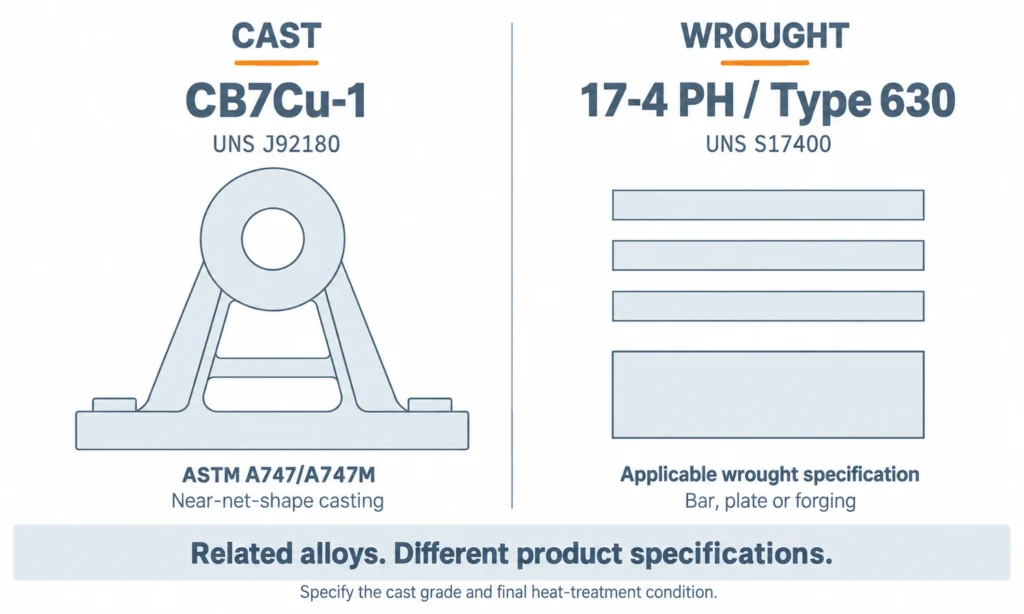
17-4 PH Investment Casting: CB7Cu-1, Properties, Heat Treatment, and Uses
Learn how cast CB7Cu-1 relates to wrought 17-4 PH, how heat-treatment conditions change its properties, ...
12 min read
Read More