
Stainless Steel Impeller Casting with Curved Vanes
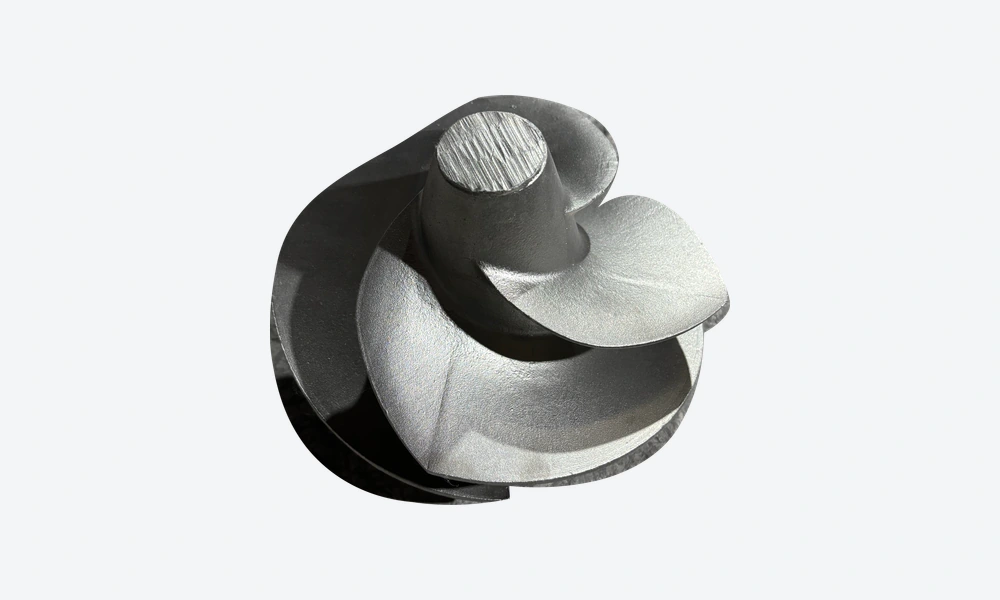
Project Focus
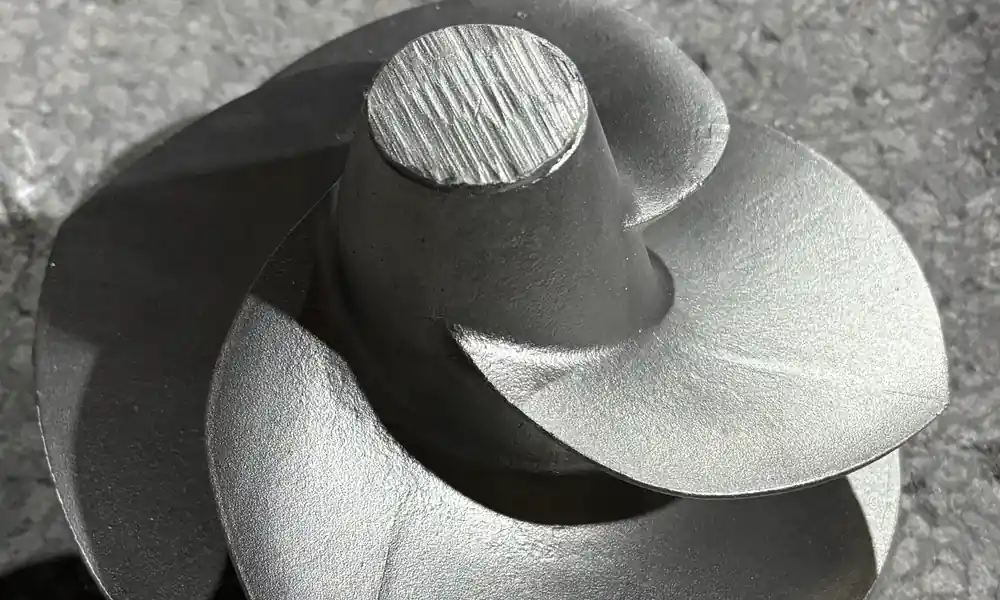
Casting the Curved Vanes and Hub Together
Each vane sweeps around the hub, changing direction as it extends towards the outer edge. YTD cast these surfaces and their connections to the hub as one stainless steel component.
The thinner vane edges and thicker central hub create different filling and cooling conditions. Metal must reach the vane extremities before it freezes. The hub needs a continued supply of liquid metal as it solidifies and contracts; this is called feeding. The paths that bring metal into the mould must account for both requirements.
Silica sol investment casting establishes the curved profiles in the casting blank. The geometry is formed through the wax pattern and ceramic shell, with metal filling the spaces that define the vanes and hub.
Segmented Wax Tooling for Casting Impeller
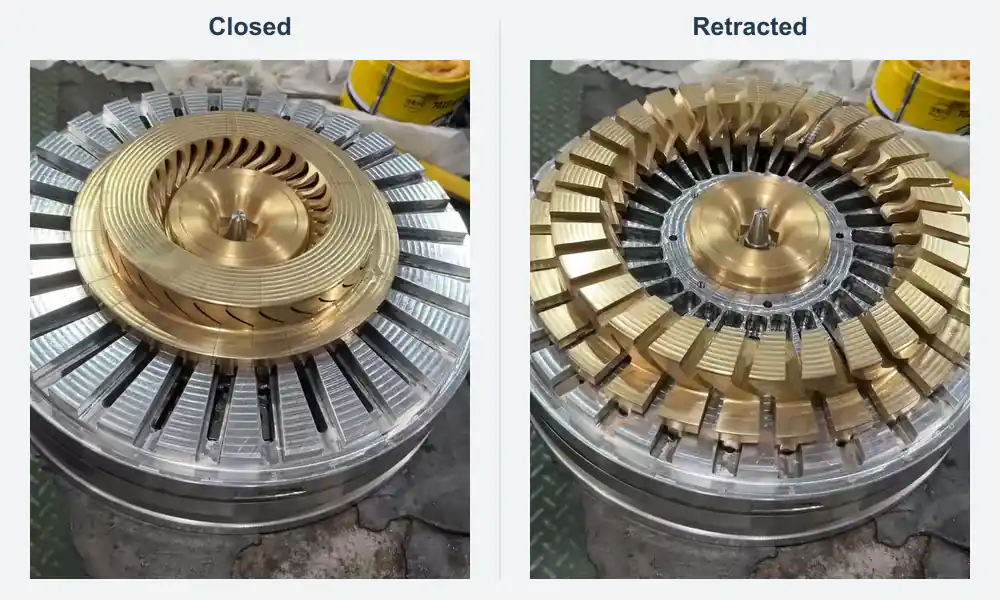
For the impeller, YTD used wax injection tooling with multiple forming blocks arranged around the centre. The blocks close together to define the shape, then move outward together to create clearance for releasing the wax pattern.
Curved wax vanes can catch against rigid tooling during removal. Dividing the forming sections into movable blocks lets the tooling withdraw from around those shapes, reducing the risk of bending or breaking the wax vanes.
The blocks also return together to their closed positions. Their guides and mating surfaces determine how accurately the sections meet. Correct alignment matters because gaps or offsets at the joints can leave unwanted ridges or steps on the wax pattern.
The video shows this opening and closing action in YTD’s tooling. This is the wax pattern stage; metal casting takes place later in a ceramic shell.
Casting Blank Supply with Optional Machining and Balancing
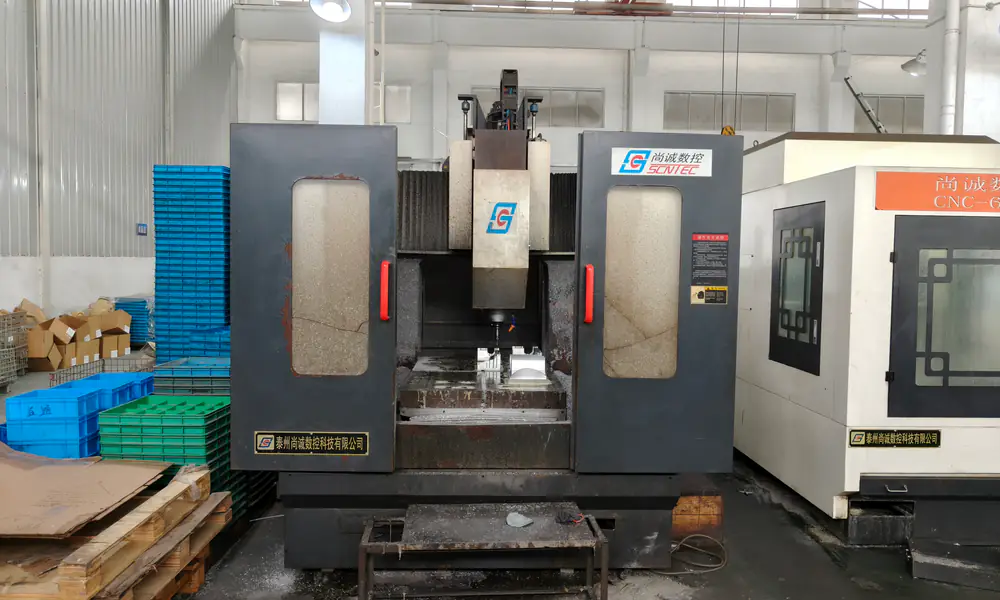
This order was delivered as casting blanks. For impeller projects requiring further processing, YTD also provides precision machining and dynamic balancing.
Machining establishes specified features such as shaft bores and mounting faces so the impeller fits its mating components. Dynamic balancing measures and corrects uneven mass distribution around the rotation axis, helping reduce vibration caused by that imbalance.
Machining and final balancing are planned together because removing material changes the mass distribution. The delivery scope can therefore cover the casting blank alone or include further processing to the customer’s drawing and balancing requirements.
Related Casting Projects
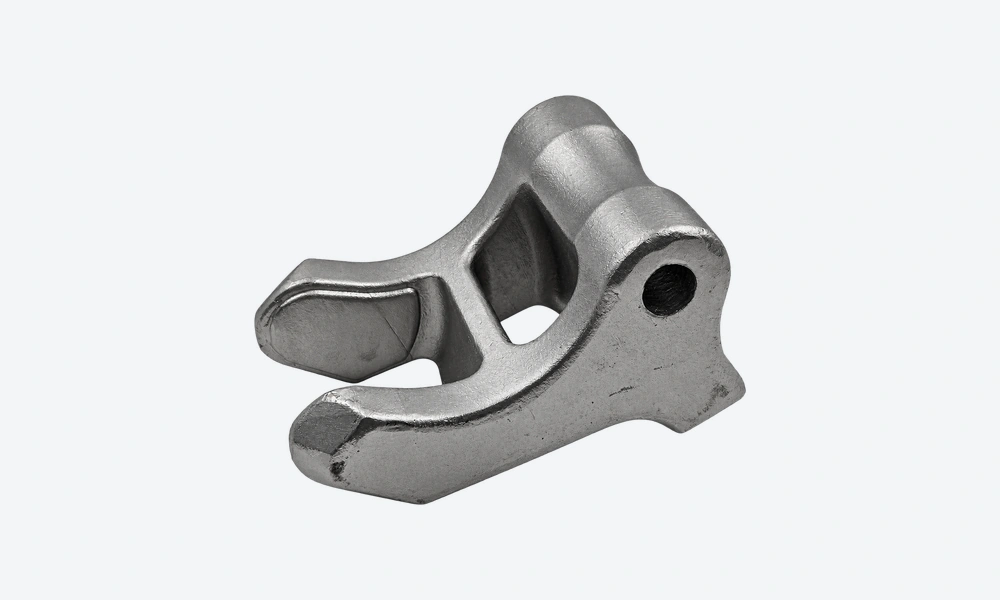
Stainless Steel Fork Casting with a Shot-Blasted Finish
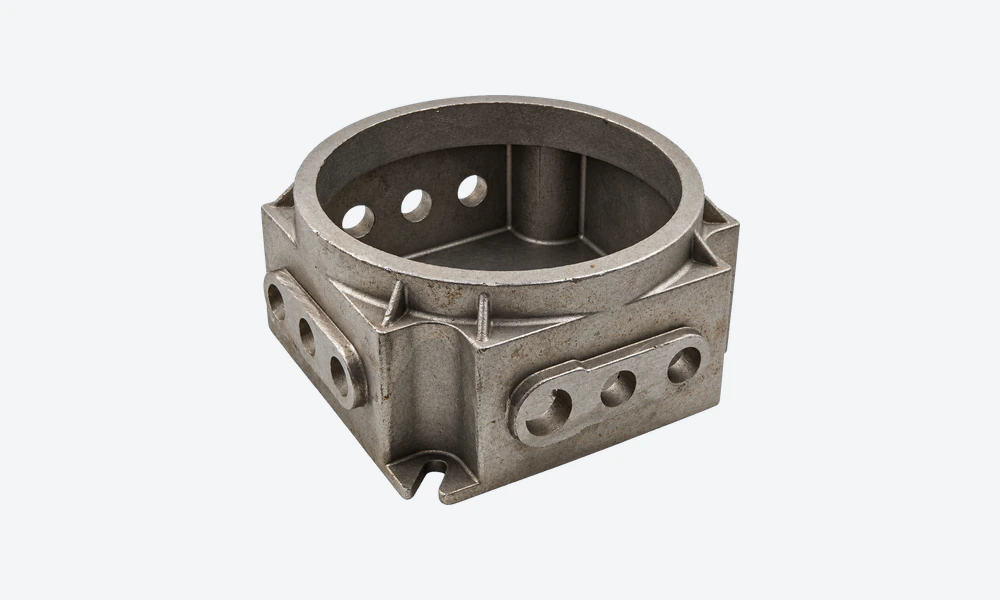
Carbon Steel Housing Casting with Side Openings
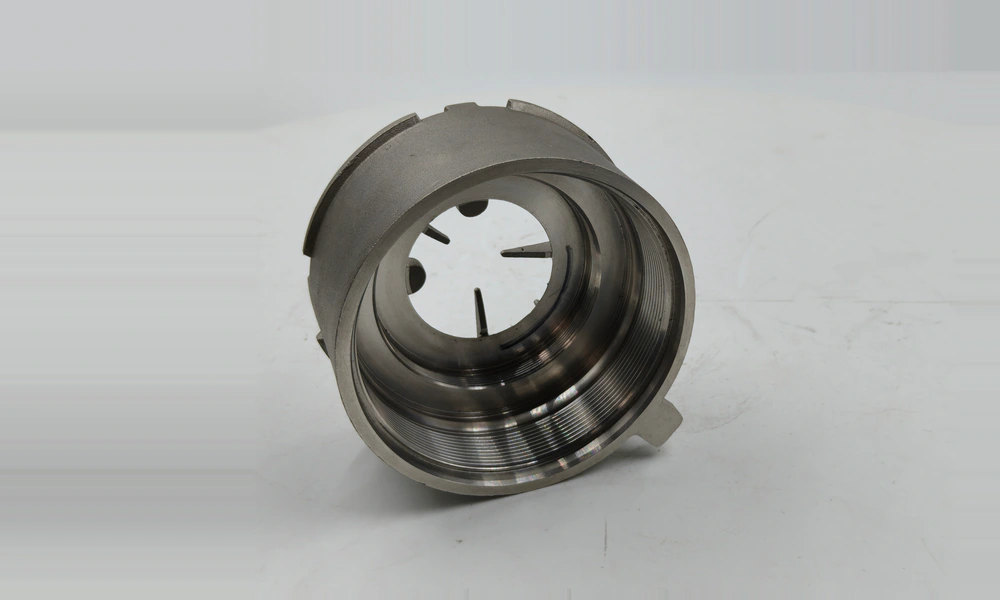
CF8M Stainless Steel Threaded Housing with Cast Fins
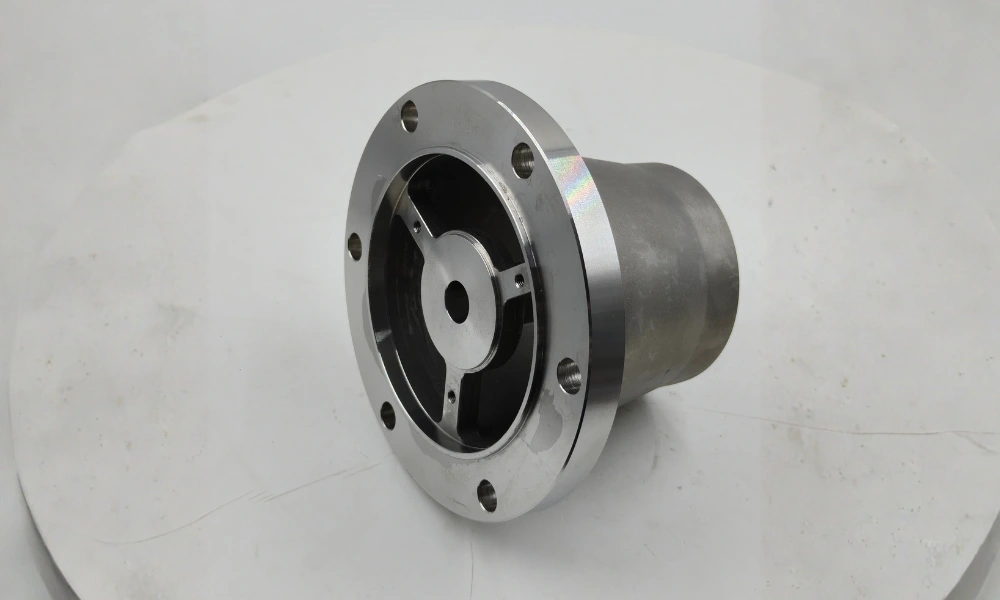
CF8M Neck Flange
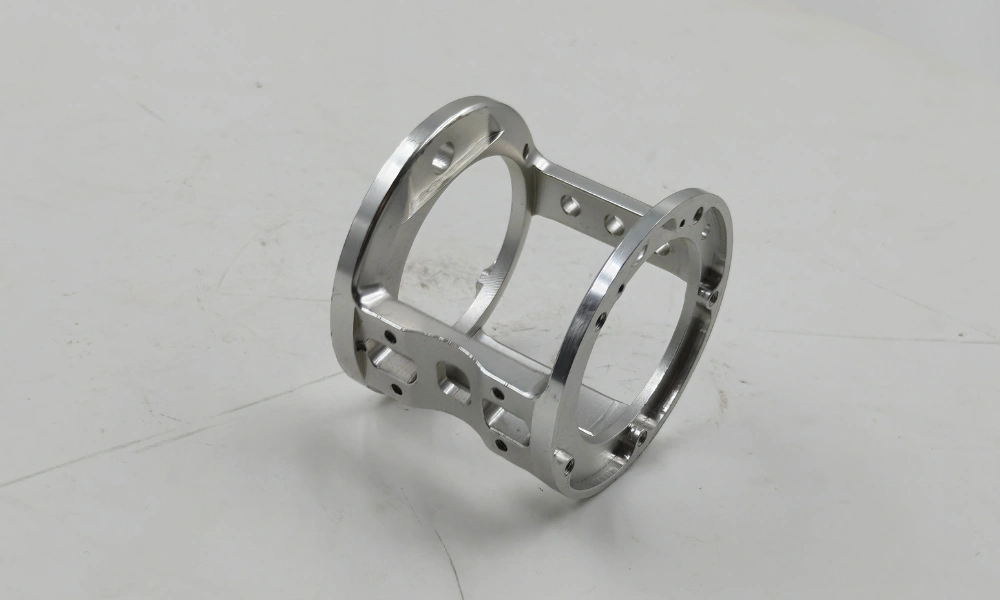
Aluminum Fishing Reel Frame
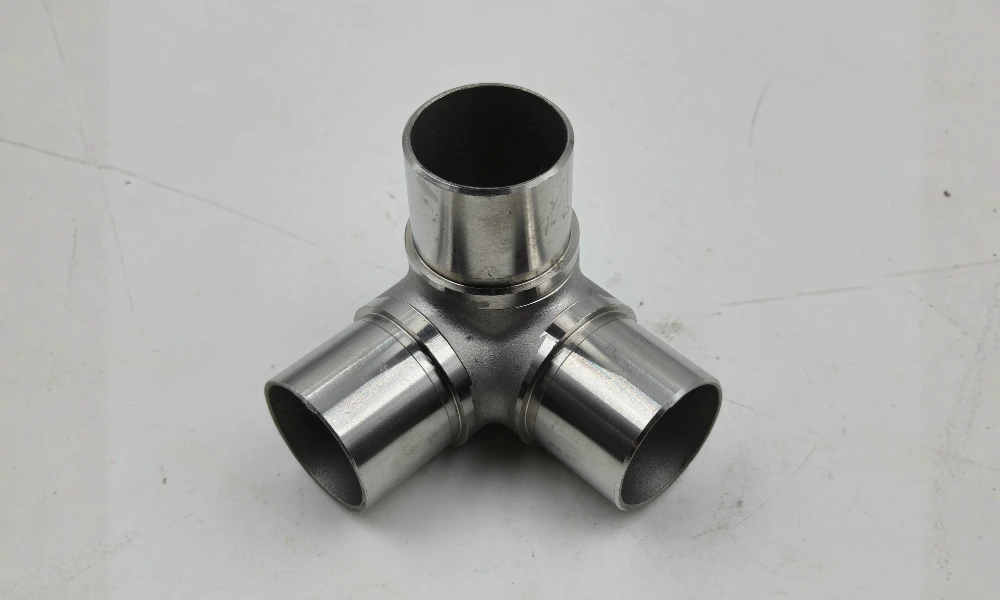
CF8 Three-Way Pipe Fitting
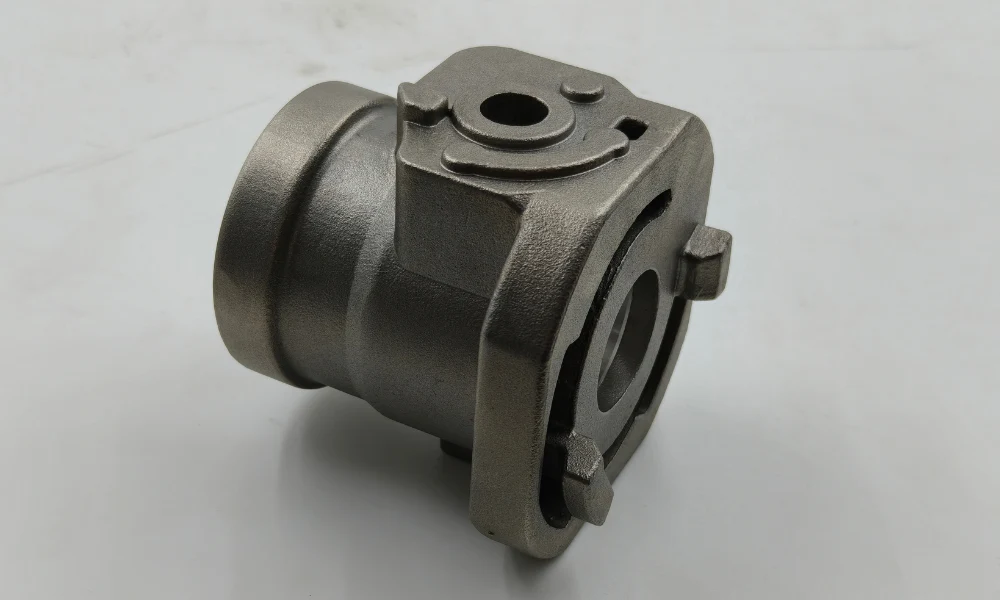
CF8 Quick-Connect Coupling Body
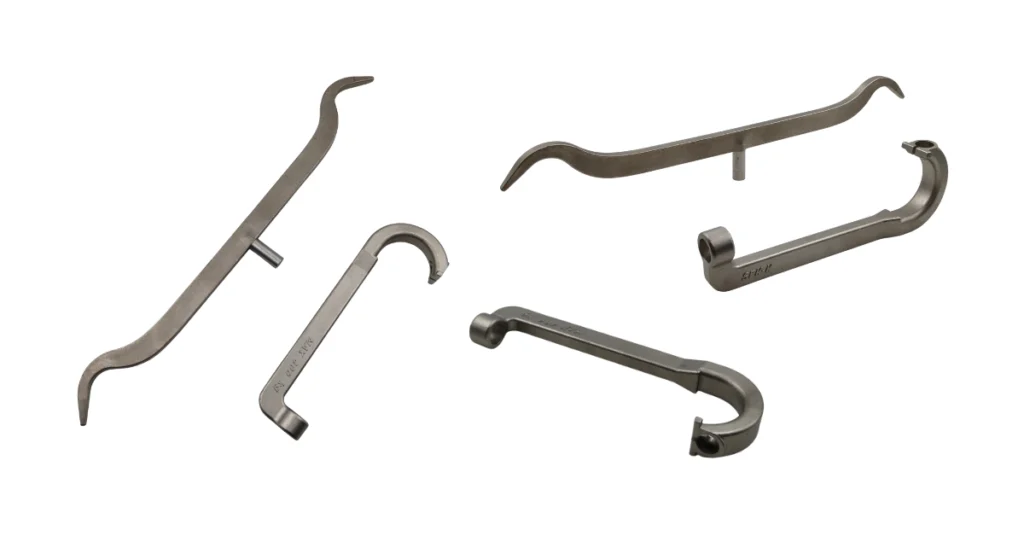
CF8M Carcass Hook
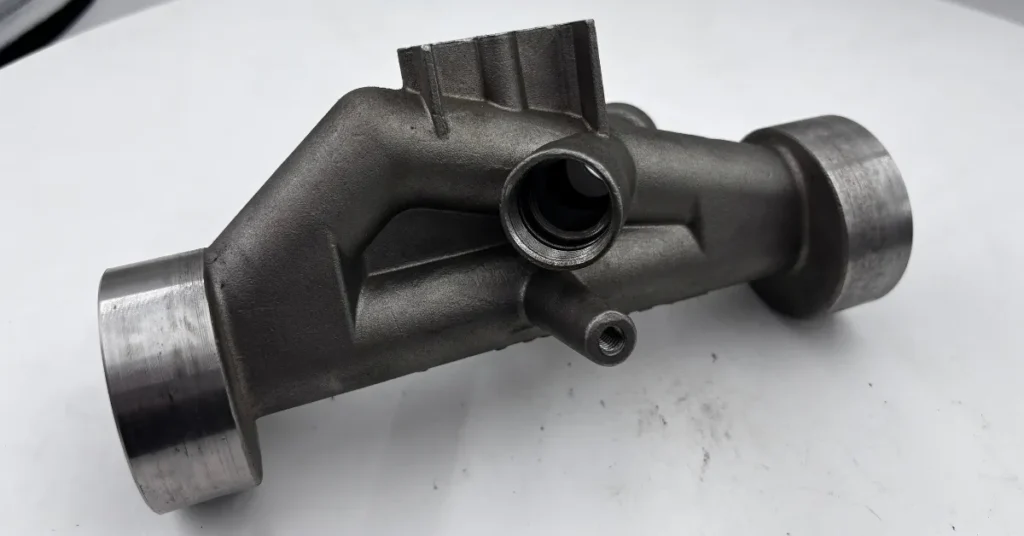
Stainless Steel Flow Meter Body
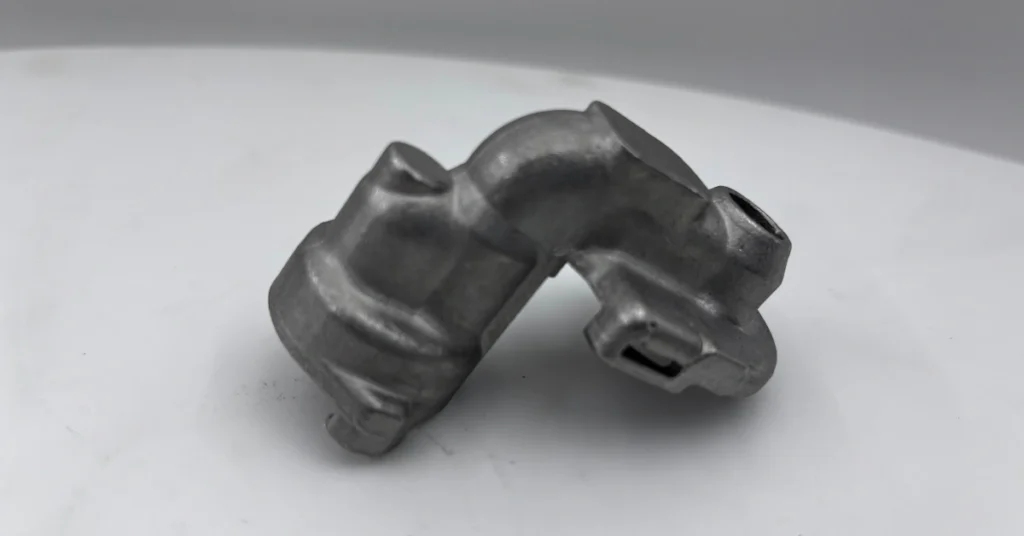
CF8M Pump Valve Body
Have an Impeller Design to Manufacture?
Share your drawing or 3D model, material specification and expected quantity. Tell us whether you need casting blanks, machined components or balancing support, and YTD will review the manufacturing scope for your impeller.