
Stainless Steel Fork Casting with a Shot-Blasted Finish
Project Focus
Forming the Fork Arms and Openings in One Casting
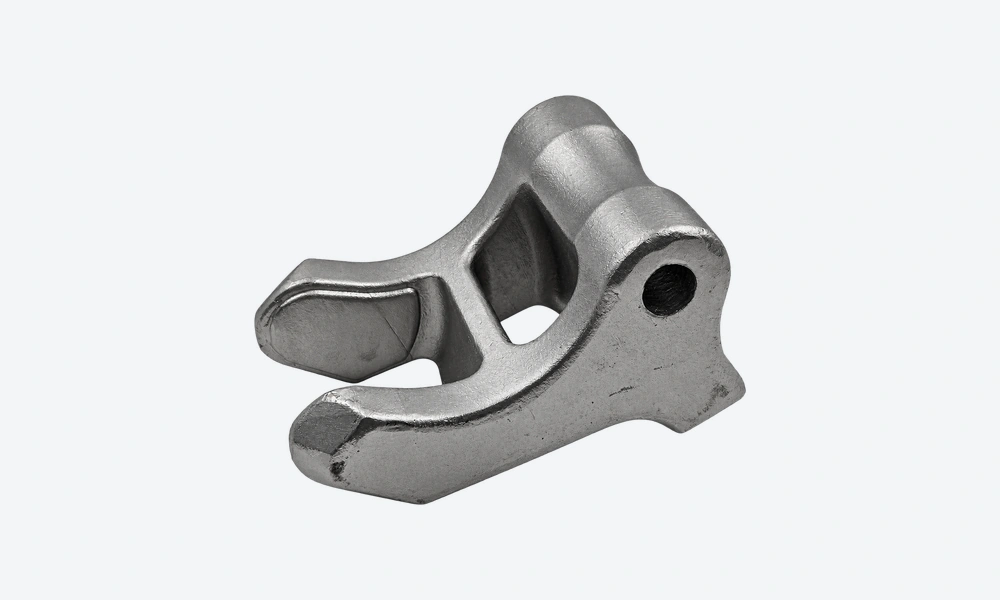
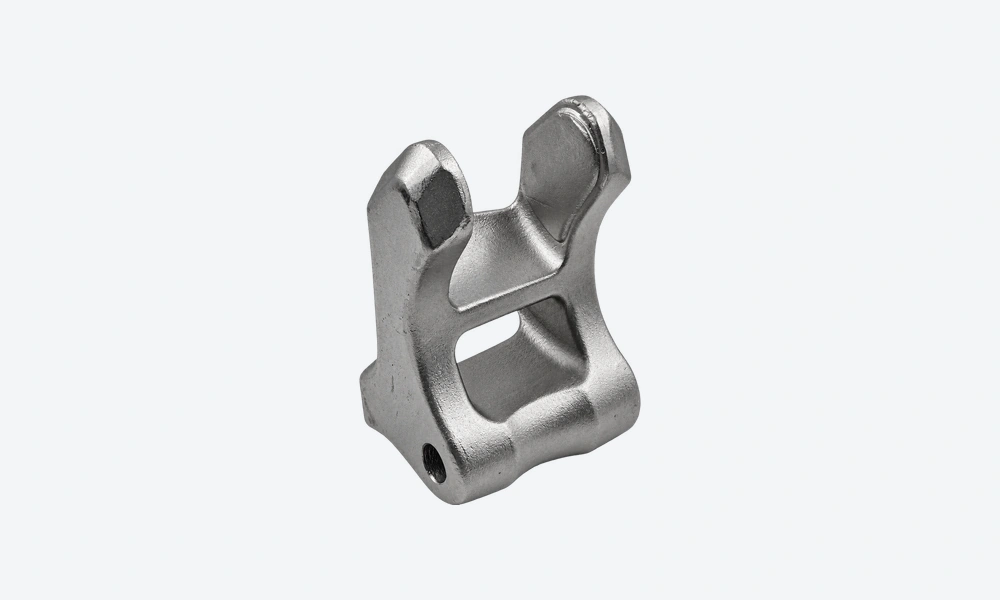
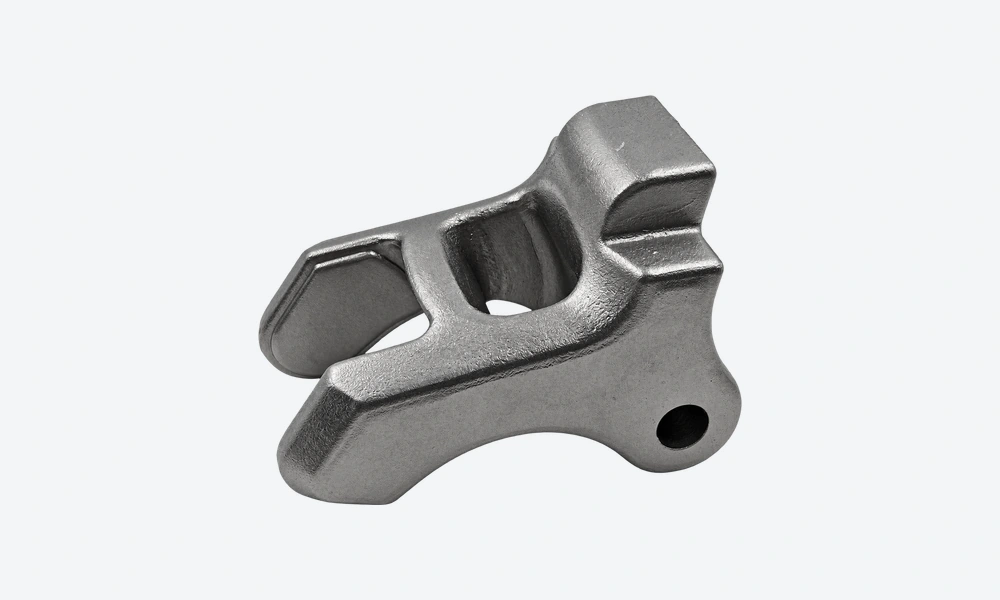
The fork has two curved arms with broadened ends, a bridge joining the arms and a rear body with a transverse hole. The bridge separates the open fork gap from the window behind it. YTD cast the arms, bridge and rear body together as a single stainless steel component.
Silica sol investment casting reproduced the curved profiles through a wax pattern and ceramic shell. The mould followed the outer contours and the inward-facing surfaces around the fork gap and rear window. These spaces were built into the casting geometry alongside the solid sections surrounding them.
Filling the Arms and Feeding the Heavier Sections
The curved arms meet a thicker rear body, while the bridge creates another junction between the two sides. These changes in section thickness affect how the stainless steel fills the mould and solidifies.
For this geometry, the casting layout has two jobs: carry metal into both fork arms and maintain a supply of liquid metal to the heavier sections as they solidify and contract. That continued supply is called feeding. If the supply path freezes too early, shrinkage can leave voids in the thicker regions.
Delivered with a Shot-Blasted Matte Finish
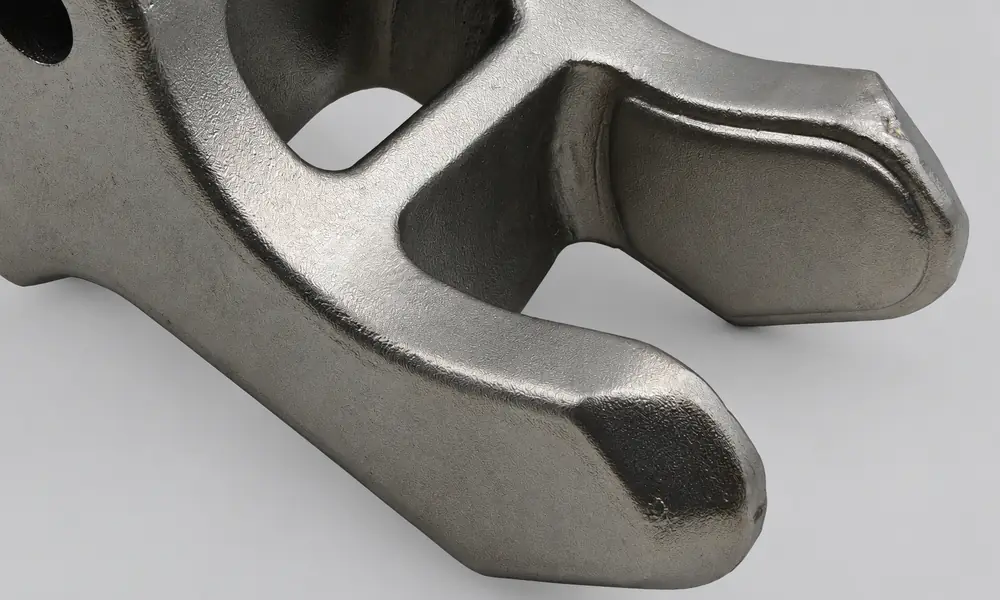
After casting and cleanup, YTD shot-blasted the component and supplied it in its finished delivery condition. The surface has a matte texture across the curved cast profiles.
Shot blasting uses repeated abrasive impacts to clean and texture the surface. On this fork, the inward-facing arm surfaces and the recesses beside the bridge need exposure to the blast as well as the outer faces. Coverage matters because the surrounding geometry can shield recessed areas from direct impact.
Related Casting Projects
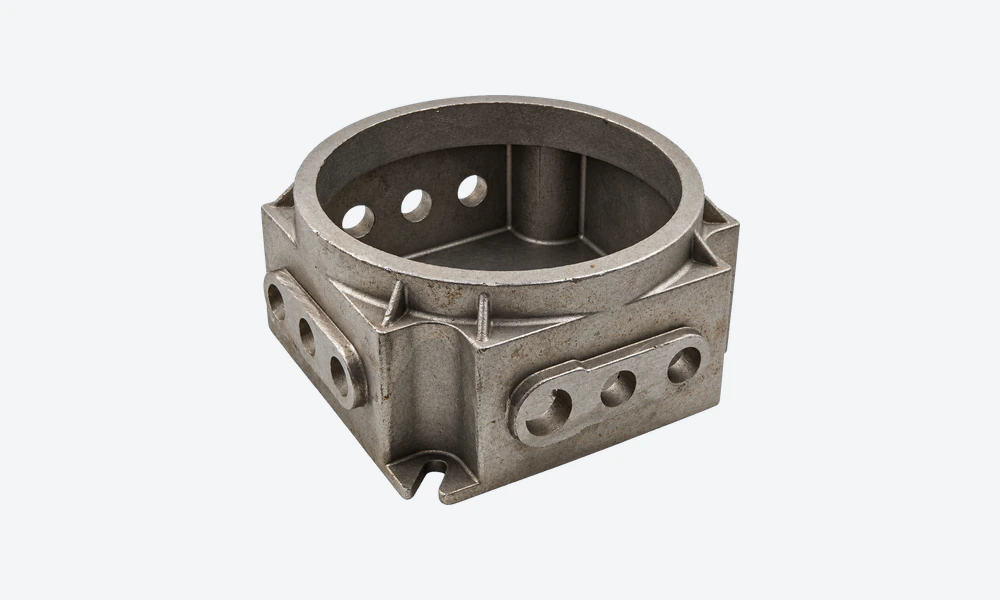
Carbon Steel Housing Casting with Side Openings
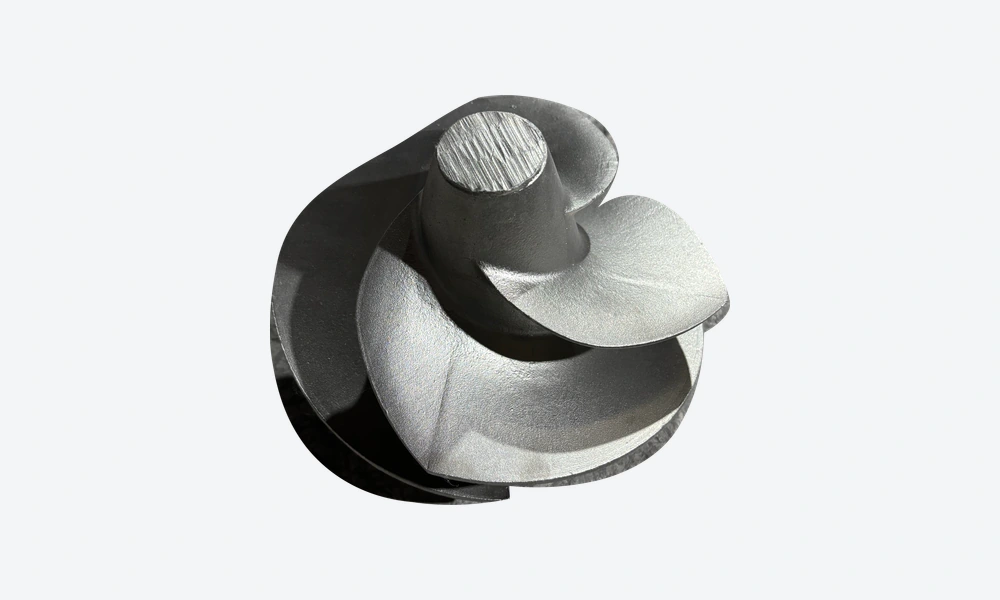
Stainless Steel Impeller Casting with Curved Vanes
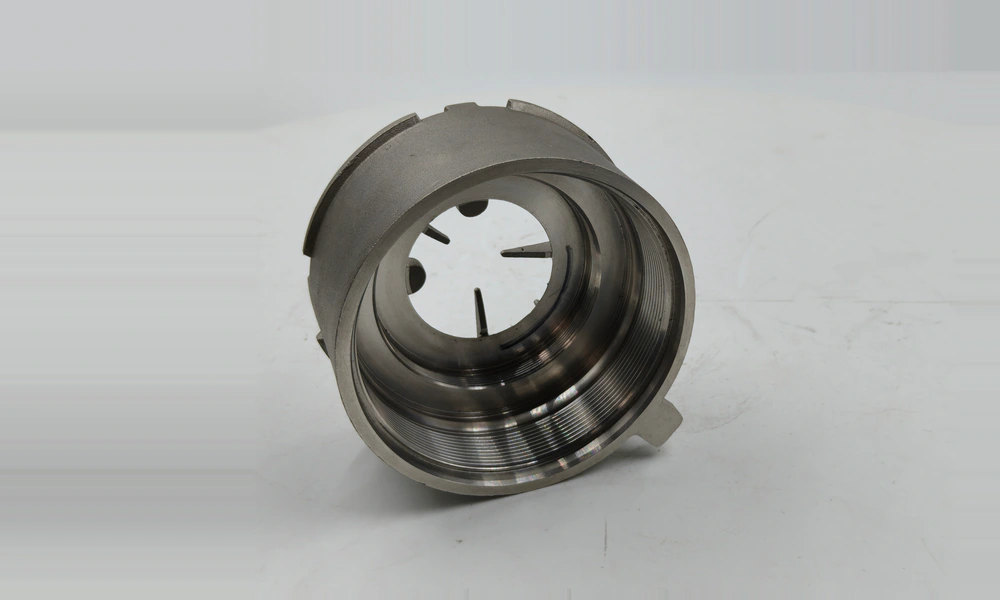
CF8M Stainless Steel Threaded Housing with Cast Fins
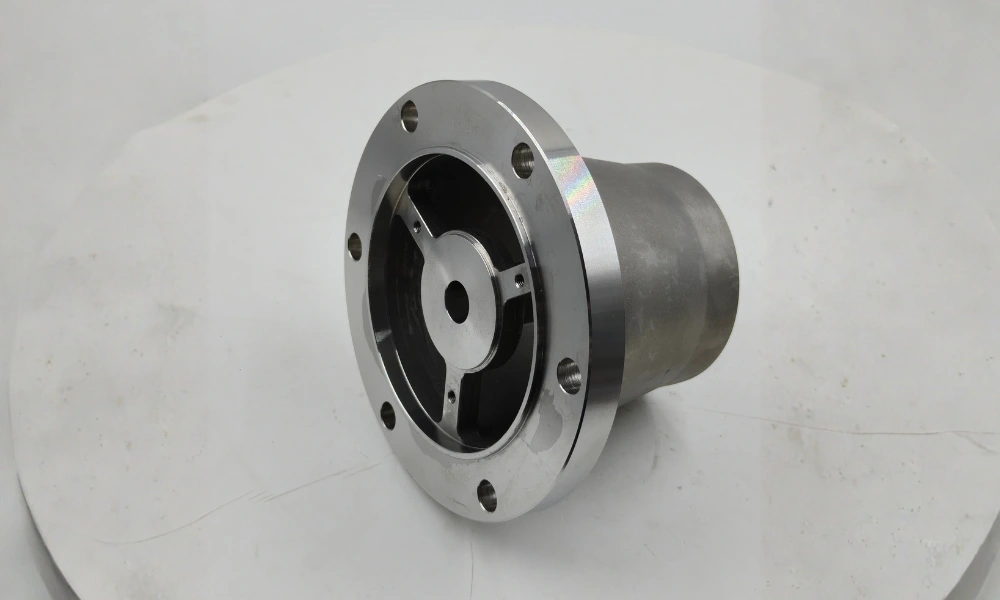
CF8M Neck Flange
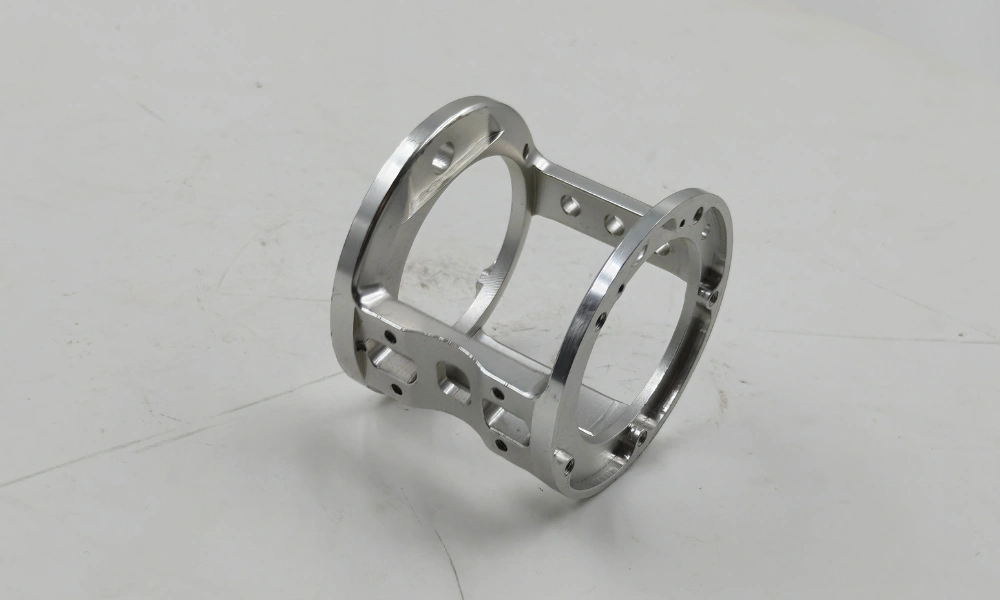
Aluminum Fishing Reel Frame
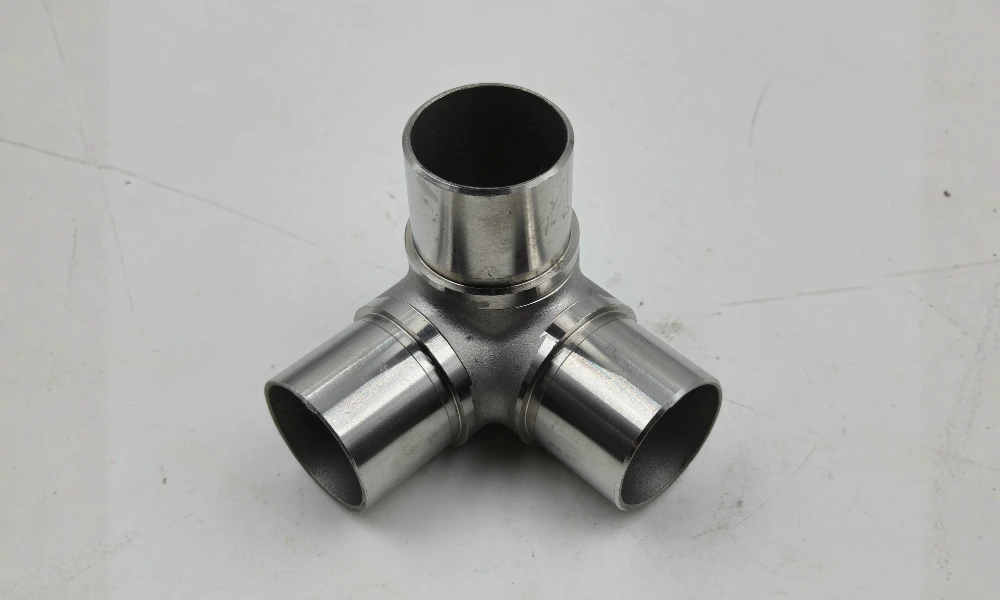
CF8 Three-Way Pipe Fitting
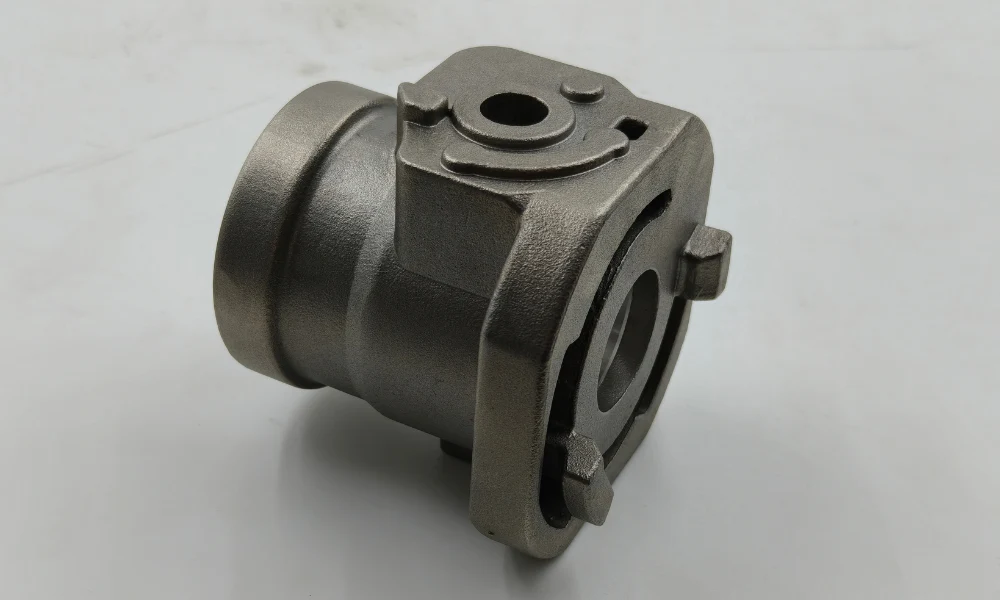
CF8 Quick-Connect Coupling Body
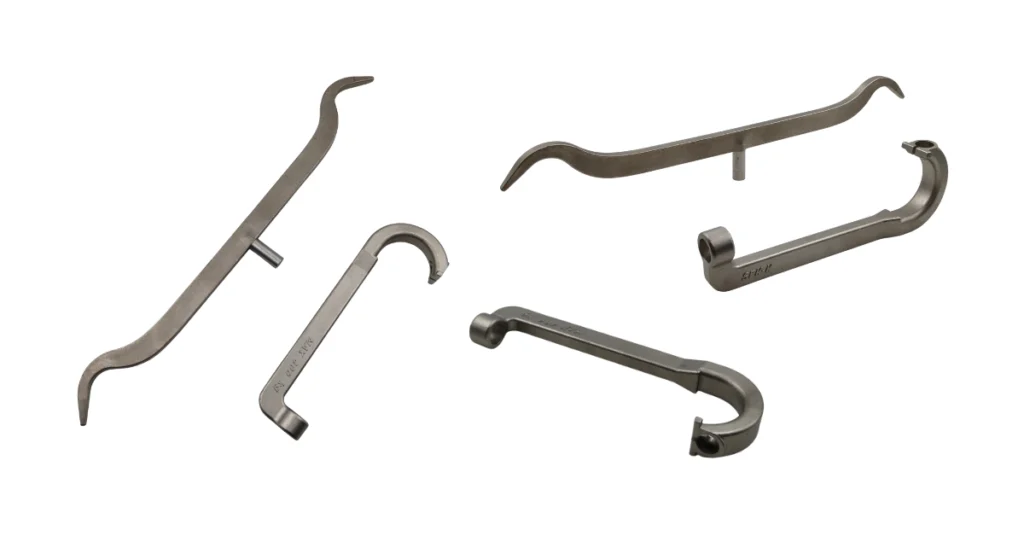
CF8M Carcass Hook
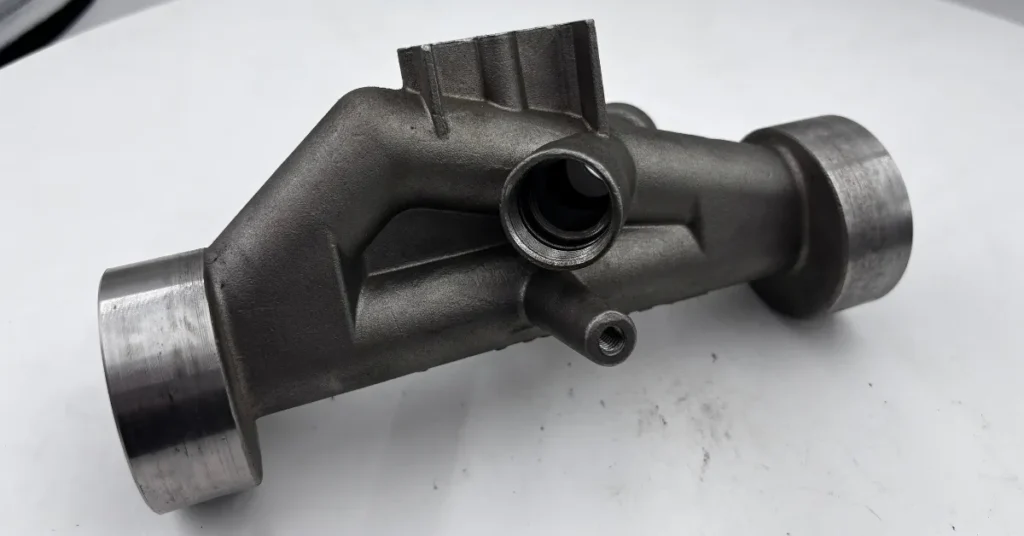
Stainless Steel Flow Meter Body
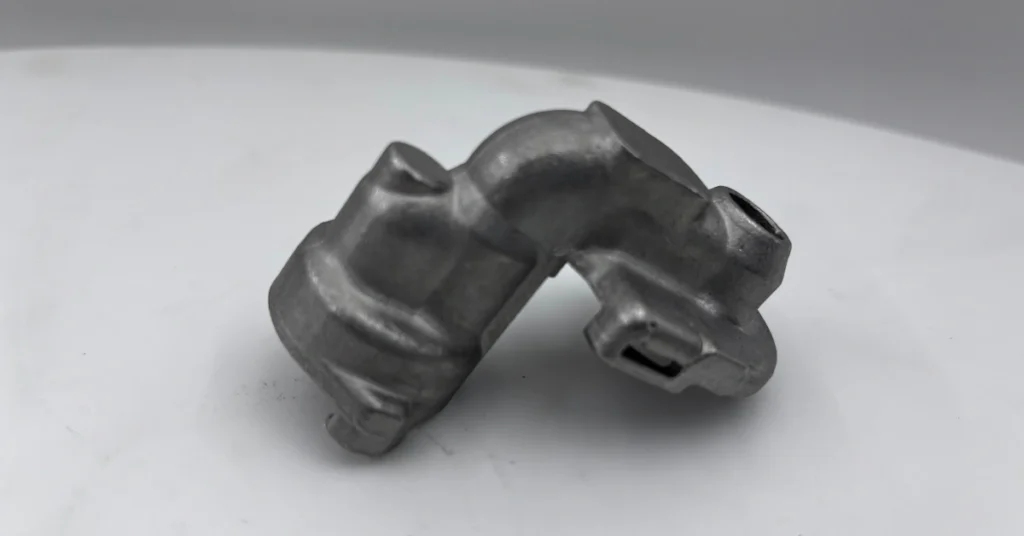
CF8M Pump Valve Body
Need a Custom Fork Casting?
Send your drawing or 3D model, stainless steel grade and expected quantity. Include the required fork spacing, hole dimensions and surface finish so YTD can review the casting and finishing scope for your part.