Custom Alloy Steel Castings
Manufacturing
Get instant quotes on custom alloy steel castings with our end-to-end casting service. Make durable castings from a wide range of certified alloy steels with ISO 9001 certified quality.
About Alloy Steel Casting
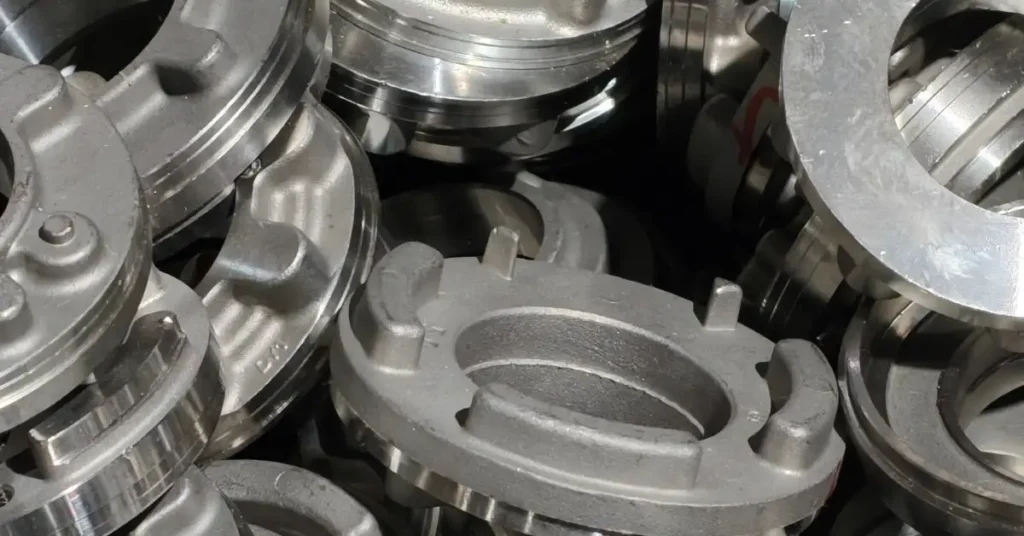
Alloy steel refers to alloys that add alloying elements such as Cr, Mo, Ni, and Mn to the base of carbon steel. The alloy steels used in casting are abundant and follow several specific standards, including ASTM A148 for high-strength cast steel, ASTM A217 for high-temperature-resistant cast steel, ASTM A352 for low-temperature applications, and so on.
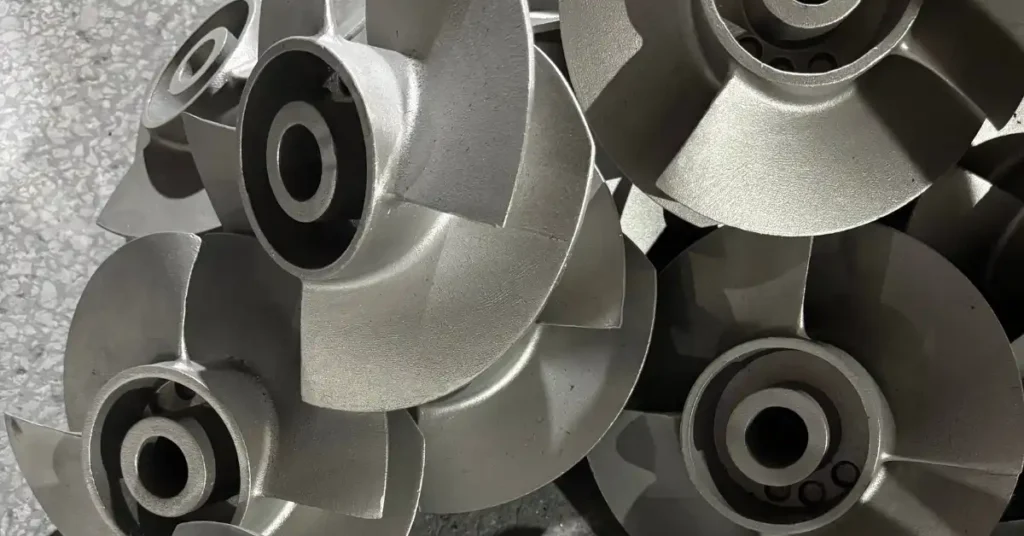
At YTD, we can cast alloy steel with investment casting and sand casting, which covers requirements from small precision castings down to grams to large structural castings up to tons.
Alloy Steel Casting Processes
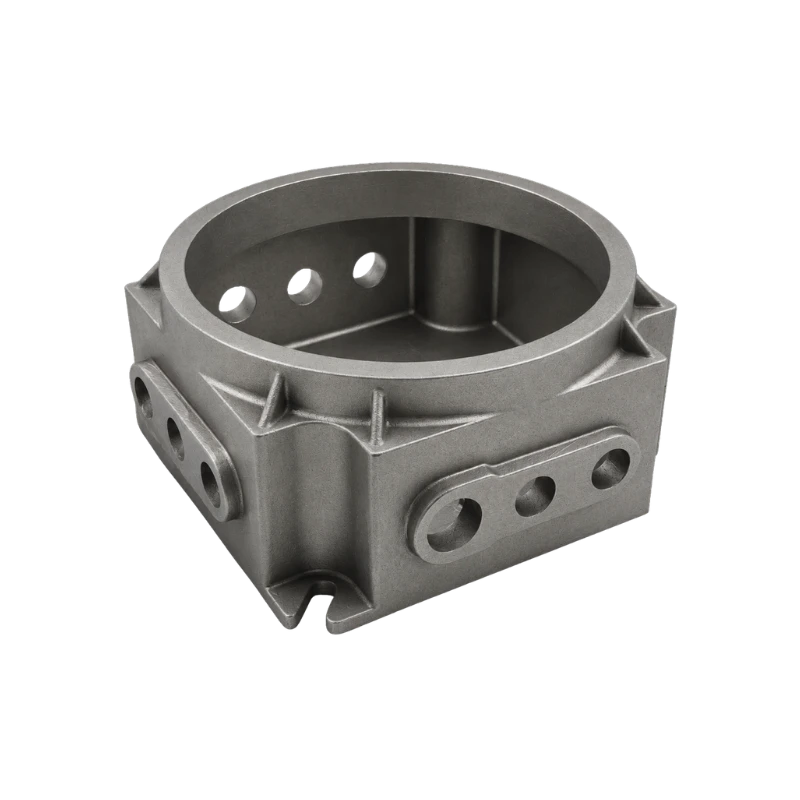
Investment Casting Alloy Steel
Get near-net-shape alloy steel castings ranging from 10 grams to 100 kilos with the silica sol casting process.
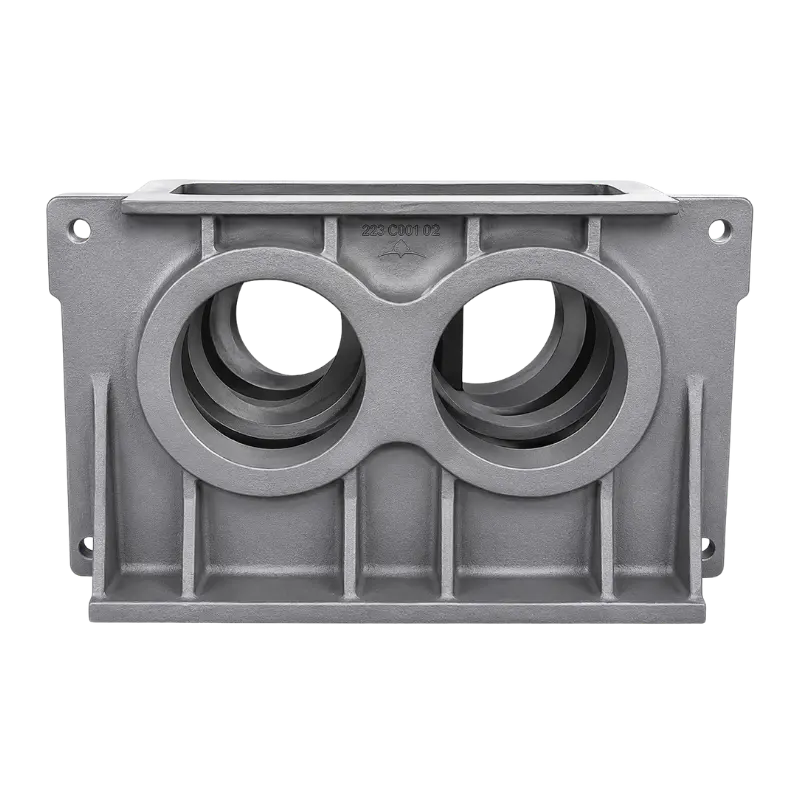
Sand Casting Alloy Steel
Build heavy duty structural components such as bases and frames with our sand casting service.
Custom Alloy Steel Castings
Share your drawing and service conditions. Our engineers can review your requirements and help evaluate a suitable alloy steel grade and casting approach for your component.
Send Your Drawing4140 Alloy Steel
4140 is a chromium-molybdenum alloy steel offering a strong balance of strength, toughness, and wear resistance. It responds well to quenching and tempering and can achieve a wide range of mechanical properties. Typical applications include gears, couplings, hubs, brackets, and heavy-duty machinery components.
| Density | Melting Range | Tensile Strength | Yield Strength | Elongation | Hardness |
|---|---|---|---|---|---|
| 7.85 g/cm³ | 1415–1510°C (2579–2750°F) | 725–1240 MPa (105–180 ksi) | 585–1000 MPa (85–145 ksi) |
5–17% |
220–350 HB |
4340 Alloy Steel
4340 is a nickel-chromium-molybdenum alloy steel known for its high strength, hardenability, and impact resistance. It maintains good toughness under heavy loads and performs well in thicker sections. This alloy is commonly used for lifting components, transmission parts, couplings, and heavy machinery castings.
| Density | Melting Range | Tensile Strength | Yield Strength | Elongation | Hardness |
|---|---|---|---|---|---|
| 7.85 g/cm³ | 1425–1510°C (2597–2750°F) | 895–1240 MPa (130–180 ksi) | 795–1000 MPa (115–145 ksi) | 5–12% | 260–350 HB |
8620 Alloy Steel
SC 8620 is a low-carbon nickel-chromium-molybdenum steel commonly used for case-hardened components. Carburizing creates a hard, wear-resistant surface while retaining a tough and ductile core. Typical applications include gears, sprockets, cams, bushings, and other transmission components.
| Density | Melting Range | Tensile Strength | Yield Strength | Elongation | Hardness |
|---|---|---|---|---|---|
| 7.85 g/cm³ | 1420–1510°C (2588–2750°F) | 725–965 MPa (105–140 ksi) | 585–795 MPa (85–115 ksi) | 10–18% | 180–260 HB |
4130 Alloy Steel
4130 is a chromium-molybdenum alloy steel with good strength, toughness, and weldability. Its lower carbon content makes it more ductile than SC 4140 while still responding well to heat treatment. It is typically used for structural brackets, machinery connections, housings, and medium-load components.
| Density | Melting Range | Tensile Strength | Yield Strength | Elongation | Hardness |
|---|---|---|---|---|---|
| 7.85 g/cm³ | 1425–1510°C (2597–2750°F) | 725–1035 MPa (105–150 ksi) | 585–795 MPa (85–115 ksi) | 7–18% | 200–320 HB |
ASTM A217 WC6
WC6 is a chromium-molybdenum cast steel developed for elevated-temperature pressure service. It offers better high-temperature strength and oxidation resistance than conventional carbon steel. WC6 is commonly used for steam valves, boiler fittings, flanges, and power-generation equipment.
| Density | Melting Range | Tensile Strength | Yield Strength | Elongation | Hardness |
|---|---|---|---|---|---|
|
7.84 g/cm³ |
1420–1500°C (2588–2732°F) |
485–655 MPa (70–95 ksi) |
≥275 MPa (≥40 ksi) |
≥20% | 150–220 HB |
ASTM A217 WC9
WC9 contains more chromium and molybdenum than WC6, providing improved performance under sustained high temperatures and pressures. It is commonly selected for demanding steam, boiler, petrochemical, and power-generation applications. Typical castings include valve bodies, fittings, and pressure-containing components.
| Density | Melting Range | Tensile Strength | Yield Strength | Elongation | Hardness |
|---|---|---|---|---|---|
| 7.82 g/cm³ | 1410–1495°C (2570–2723°F) | 485–655 MPa (70–95 ksi) |
≥275 MPa (≥40 ksi) |
≥20% | 160–220 HB |
Finish Options for Alloy Steel Castings
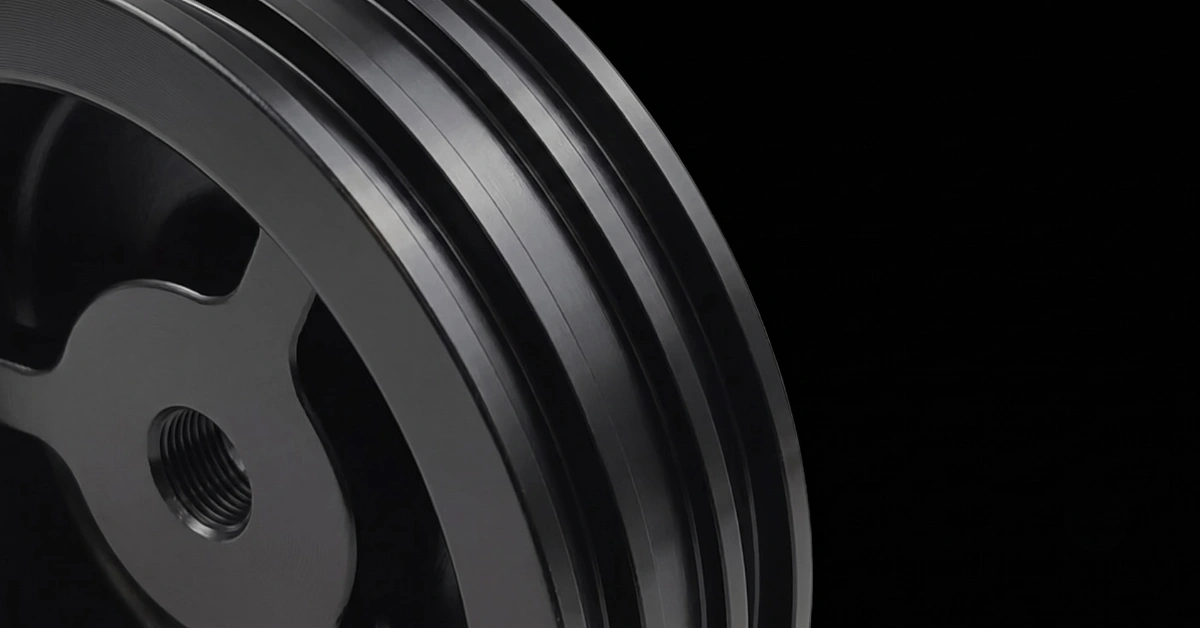
We provide in-house finishing and qualified external treatments to improve the dimensional accuracy, wear resistance, corrosion protection, and appearance of alloy steel castings.
| In-House Capabilities | Network |
|---|---|
| CNC finishing | Black oxide |
| Sand/bead blasting | Powder Coating |
| Heat treatment | Painting |
| Polishing | Zinc/nickel plating |
| Laser Marking |
Applications of Alloy Steel Castings
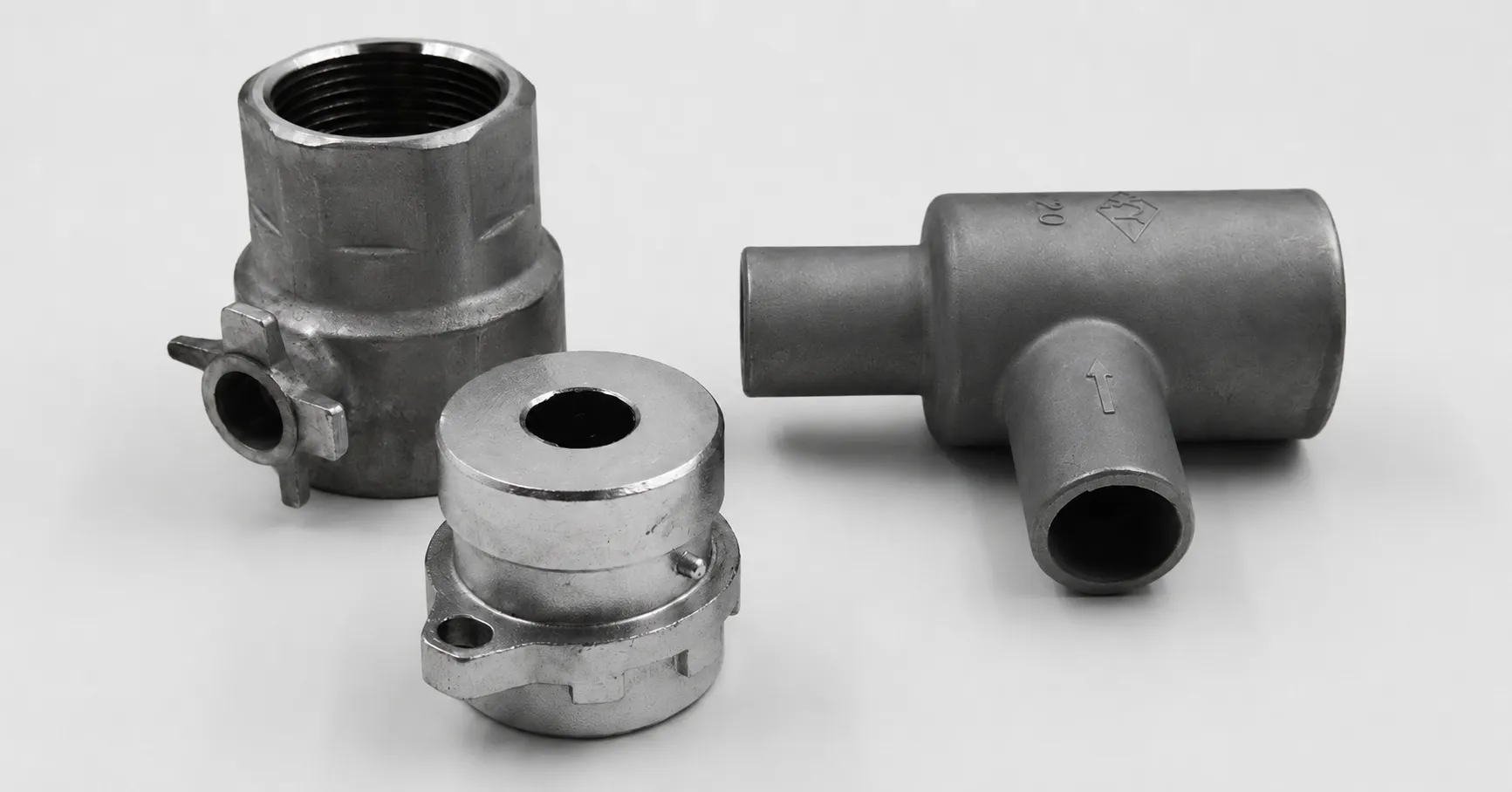
| Gears | Structural brackets | Mining equipment parts |
| Sprockets | Pressure fittings | Wear-resistant components |
| Drive hubs | Pump components | Construction machinery parts |
| Couplings | Boiler components | Agricultural machinery parts |
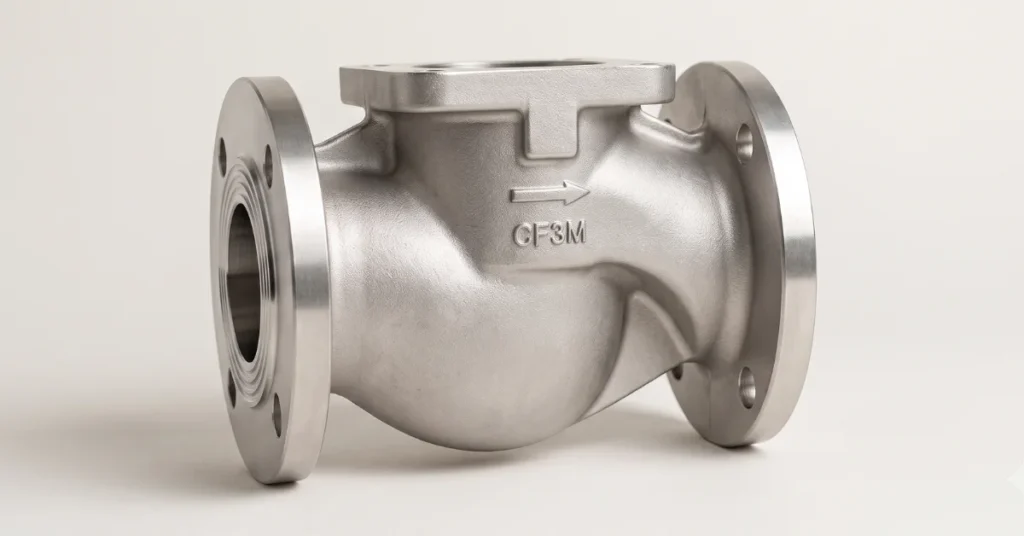
| Valve bodies | Transmission components | Low-temperature pressure parts |